
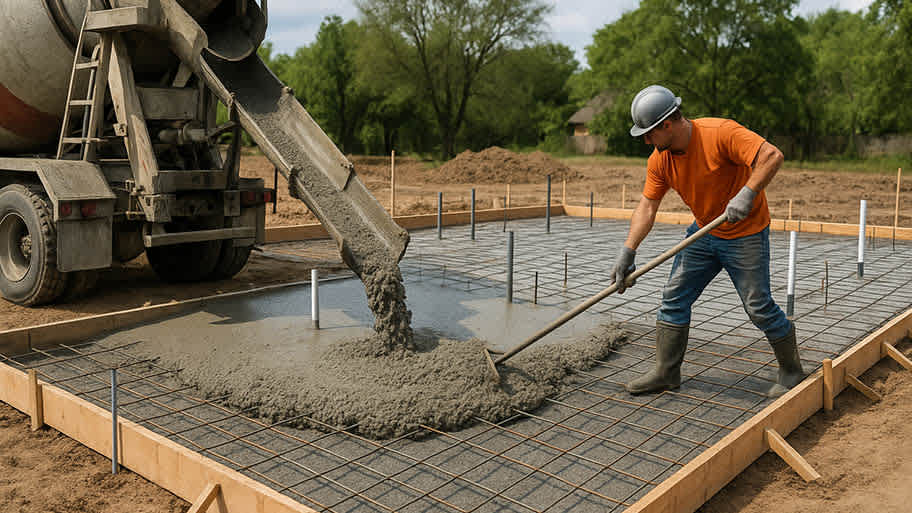
A foundation for a new-build home averages around $11,000. Find out all the factors that affect the cost of a foundation and how to save money.
Your home needs to last from the ground up

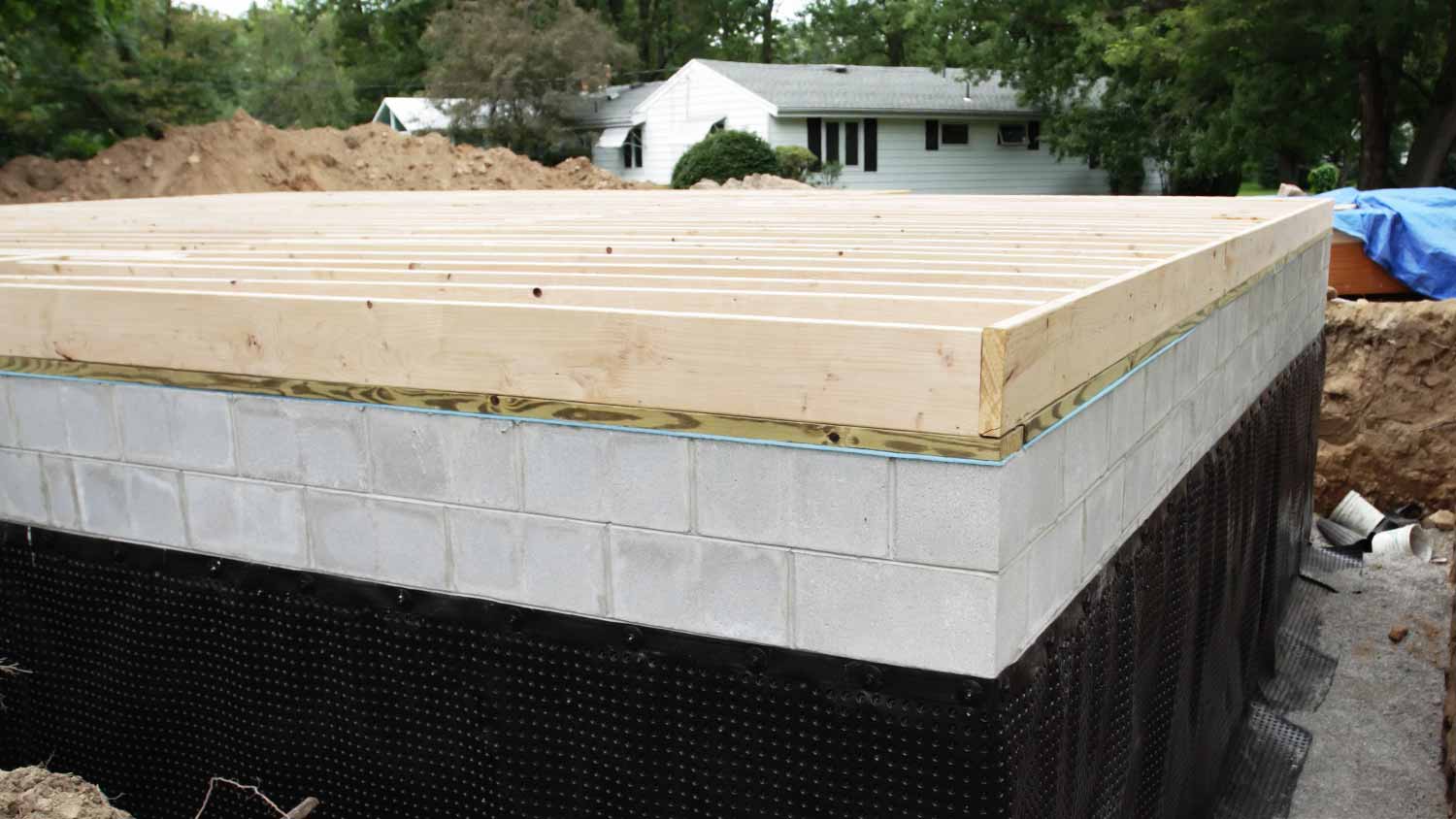
Your basement foundation wall transfers your home's weight to the footings below while holding back soil and blocking moisture from entering your basement or crawl space.
Foundation repair costs can get expensive quickly if left unattended, so catching and addressing problems early saves you money and frustration down the road.
Check your foundation walls for cracks larger than 1/4 inch, bowing walls, sticking doors or windows, or damp smells, as these signal structural damage needing immediate attention.
Hiring a local structural engineering professional provides peace of mind through proper planning and permitting, ensuring your foundation wall construction meets regional codes and environmental demands.
Consisting of several parts, your home's foundation is the most essential element of its construction. The foundation wall is just one part of the entire system, but its functions, construction methods, and code requirements are many. Whether concrete, block, stone, wood, or reinforced, the foundation wall that holds up your home must excel for the rest of the structure to last.
A foundation wall sits between the home's structural footing and the bottom of the first story, helping support the structure, and is usually made of concrete, stone, or masonry.
A foundation wall plays at least three vital roles that serve the needs of the rest of the house:
Its first job is to transfer the weight of the house or load from the main structure to the footings that rest below the foundation wall. The footings rest well underground and do the heavy work of anchoring the structure, dispersing its weight, and keeping everything from shifting or sinking into the earth. The weight transfer means the foundation wall must have vertical strength.
Secondly, the foundation wall holds back the surrounding soil and keeps it from entering the basement or crawl space of the home. The wall must have exceptional horizontal strength to accomplish this task while not sacrificing the vertical strength necessary to hold up the house. Differences in soil types and potential soil disturbance factors dictate how hard your foundation wall must work.
Finally, your home's foundation wall must keep moisture from entering the basement or crawl space below the house. The wall must be impenetrable to standing water or vapor in the soil around the building.
Foundation wall construction methods and materials vary by location, climate, soil types, and natural disaster potential. Its construction must meet the environment's demands to keep your home standing with its weight properly transferring to the footings. Without proper construction, the supported structure can suffer heavy damage if the foundation wall fails.
State and local building codes regulate foundation wall construction to ensure the structure is up to the challenge depending on regional situations. The variables include soil types, water presence, weather expectations, and earthquake potential.
Local structural engineers are often part of the planning and permitting processes regarding foundation wall construction. Because building a home foundation isn't a good idea for a DIY project, you'll also want a qualified local concrete foundation company on your team if you're building a home or addition.


Several house foundation types exist, and except for slab-on-grade foundations, one common element between them is the foundation wall. Foundation walls also come in a few varieties.
Basement wall foundation walls are precisely as they sound. Basement walls typically contain some reinforcement, especially when taller than 8 feet. Older basement walls may consist of concrete blocks (CMUs), poured concrete, stone, or wood, while modern construction may use prefabricated concrete panels or insulated concrete forms.
Basement walls are visible from inside the home and serve as a barrier between the soil and air-conditioned space in the house, whether the basement is finished or bare. The structures are generally as thick as the total width of the home's lumber frame, plus the wall covering and exterior siding. This measurement is typically at least 8 inches.
Stem walls are another type of foundation wall that transfer the home's weight to the footings. Stem walls are shorter versions of foundation walls that make up the crawl space walls below a house. These structures may include reinforcement or not and be vented or unvented to control moisture.
Stem walls are at least partially visible from outside the home and in the crawl space and are typically 8 to 10 inches thick, depending on the home's construction style. Stem walls usually consist of poured concrete or CMU construction, but stone and lumber stem walls are common in older structures.
While technically not a foundation wall, pier foundations also transfer weight from the home structure to a footing. However, piers are taller than they are wide and don't form a wall shape. Pier foundations often consist of CMUs with a thickness that meets predetermined building code specifications.
You may find pier foundations under backyard sheds or other structures. However, you're more likely to see them in crawl spaces directly under a load-bearing wall or beam, supporting long spans between stem walls.
Foundation walls can suffer several problems due to inadequate construction, poor drainage, shifting soil, nearby construction, natural disaster, or a changing environment. While sometimes not an urgent issue, cracks in the wall, sticking doors or windows, or damp smells are typically the first sign of a potential foundation wall problem. More severe symptoms of trouble include bowing walls, extensive cracks, visible water infiltration, mold, or sagging floors.
Hairline cracks under 1/18 inches are normal, but if you spot larger or deeper cracks, call a pro immediately. Cracks exceeding 1/4 inches are a sign of more serious structural damage and should be handled by a foundation pro.

Should you suspect a problem with your home's foundation walls, calling a local foundation repair expert is your first course of action. While foundation repair costs can get expensive quickly if left unattended, catching and professionally repairing problems early can save a lot of cash and frustration.
Positive experience. As previously stated, the replacement/repair could not be completed (no fault of the plumbing tech) b/c misinformation was rec?d by property management maintenance. Thanks to the plumbing tech for your efforts. Appreciate you!
 The Waterworks
Carpet repair done well. Scheduling was easy. Showed up on time.
 BR Flooring Installation
I would recommend this company to anyone! He showed up on time, was friendly, completed a very difficult repair on our dryer vent cover, was responsive, and pricing was extremely fair and competitive. I would have him back to do any of our repairs or cleanings without hesitation!
 U.S.A. Dryer Vent, LLC
Everything from initial contact to completion was absolutely top notch. We contacted the business during off hours to leave a message, and the owner still reached out to feel out the issue within minutes. We were scheduled and repaired within 48 hours. I cannot say enough about the...
 Supreme brick & chimney
Ace Fireplace Services came to the rescue for my chimney repair. They were quick to pinpoint the issue and worked their magic to fix it. My chimney is now in excellent shape, and I'm a satisfied customer.
 Ace Fireplace Services
On Sunday 2/26 I requested quotes via Angi from 4 refrigerator repair businesses. Northwest Appliance responded to me Monday morning (2/27) and my refrigerator was repaired by noon the same day. Great communication, they did everything they said they would. The technician had the parts on...
Great experience all together. Dog friendly, courteous, great results and honest with recommendations. Will certainly be using Cardinal in the future for any carpet repairs
 Cardinal Carpet Care & Repair
Description says they handle window repair including rotten hardwood - they called me back right away but didnâ t leave a voicemail. I followed up 3 days later and they said they donâ t do that kind of work.
 Window-Gurus
Chaz, the owner, was very responsive and he communicated with us throughout the entire process. The overall cost was in the middle compared to the three estimates we received. The installation crew was very professional. Chaz was considerate enough to send a crew back to our home to repair...
 Unique Hardwood Floor LLC
Great guys. Spend a lot of time repairing and prepping our walls before doing the new paint. Home looks great now.
From average costs to expert advice, get all the answers you need to get your job done.
A foundation for a new-build home averages around $11,000. Find out all the factors that affect the cost of a foundation and how to save money.
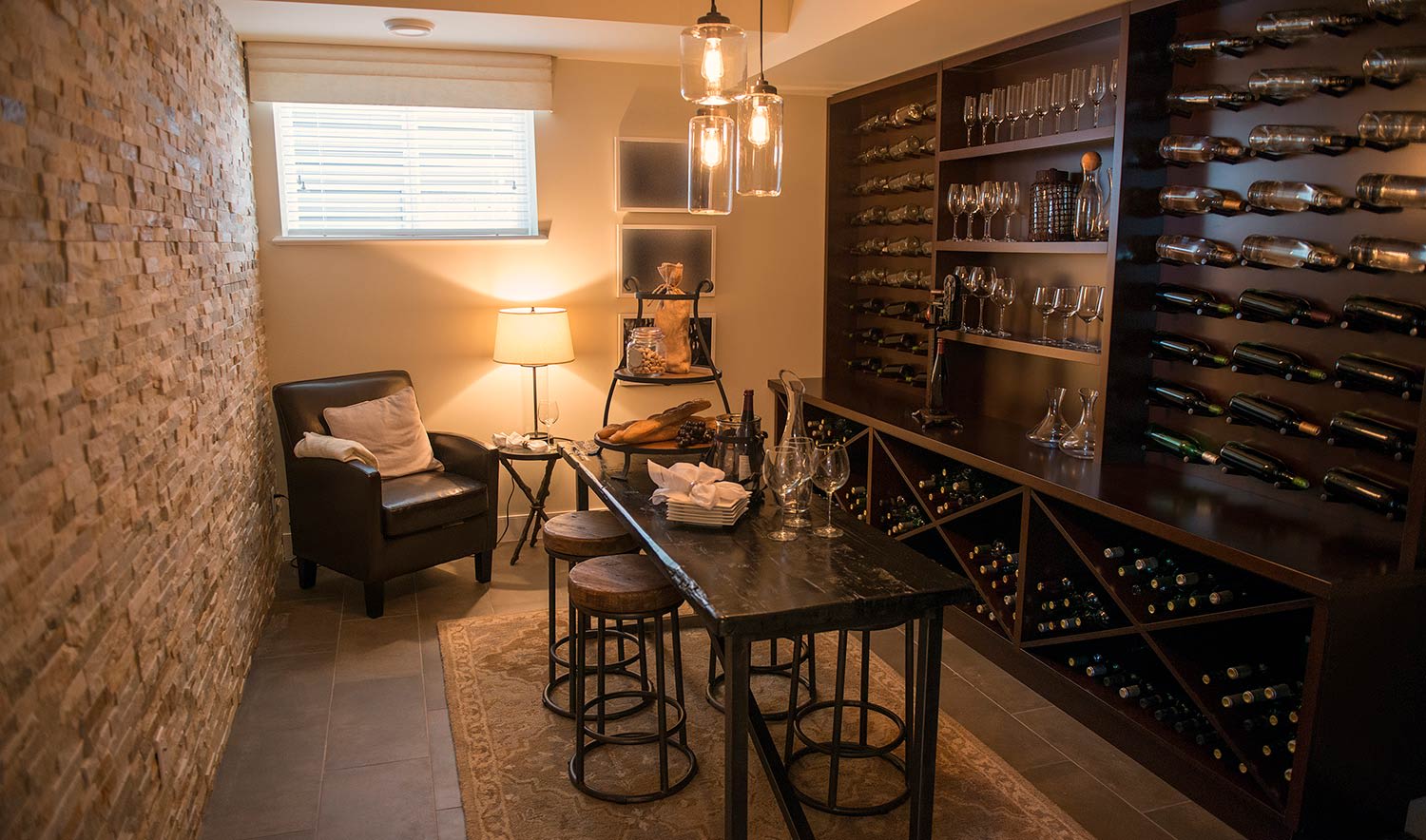
A bowing basement wall needs immediate repair. Learn how much it costs to repair a bowing basement wall and what factors can affect the final price tag.

A bowing foundation wall can quickly become a major structural problem for your home. Learn why your wall is bowing and what you can do to fix it.
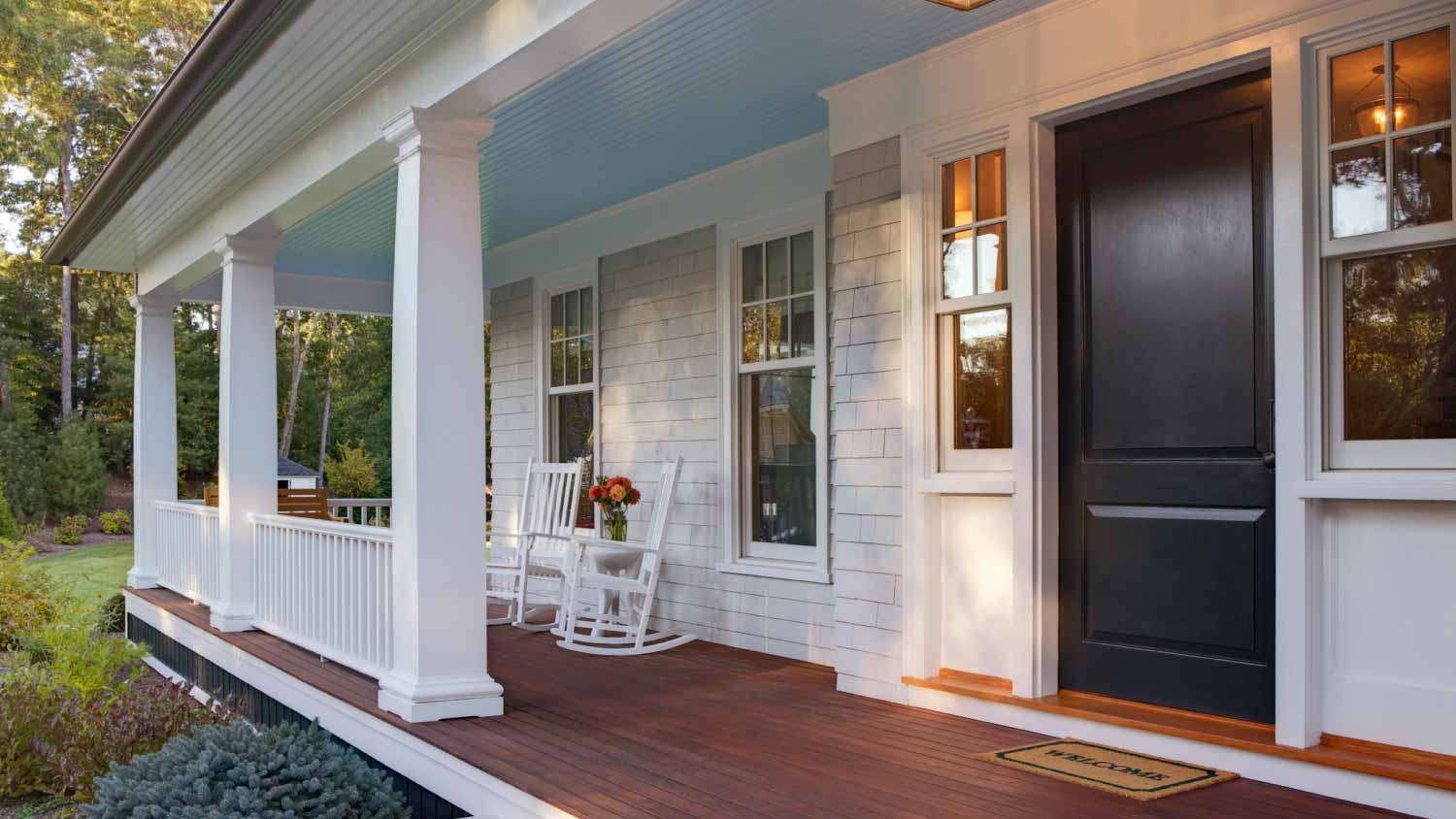
How thick a foundation should be depends on a few factors. Learn about minimum thicknesses for different foundation types and soils in this guide.
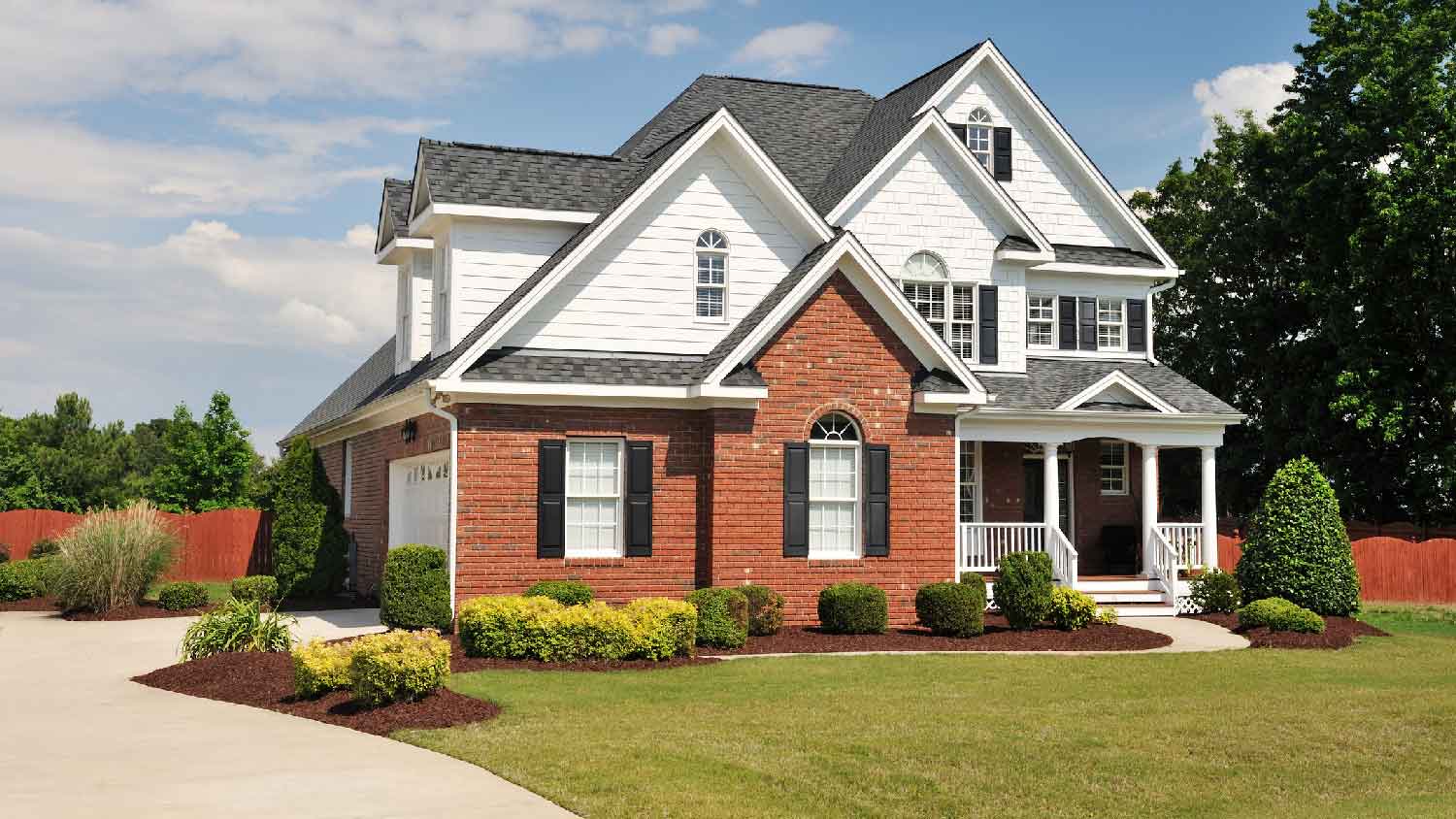
Knowing the parts that make up your home’s foundation can help you keep it in good shape. Learn the parts of a house foundation and what each one does.
Keeping your home structurally sound is essential for your safety. Discover 4 methods for block foundation repair and which is right for your home.