

Save time and provide a more positive experience by asking the right questions. Here are the top 15 questions general contractors should ask new clients.
Avoid a bad case of renovation regret


Asking the right questions to a contractor before hiring helps you confirm their qualifications, experience, and reliability while preventing costly misunderstandings throughout your project.
Your contractor should provide written quotes detailing all work, timelines, materials, and labor costs, ensuring you know exactly what you're paying for before signing anything.
Confirm that your potential contractor holds proper licensing and insurance, protecting both you and your home from accidents, damage, or code violations during the work.
Hiring a local general contractor provides reliable guidance on permits, inspections, and project management, keeping your renovation on track and up to code.
Hiring the best contractor for your project involves asking the right questions up front. This process can make or break your remodel. Whether planning a minor upgrade or a significant renovation, these questions will clarify your expectations, ensuring the person you hire is wholly aligned with your expectations.
Asking questions ensures that the contractor you hire is qualified and reliable. When interviewing contractors, remember your goal is to investigate their qualifications, experience, and approach to identify potential red flags that could lead to costly mistakes.
Starting the process with clear communication sets the tone for the entire project and prevents misunderstandings. Angi has your back if you are looking for local contractors to interview.

These two points are 100% non-negotiable. Any contractor that works on your property should be licensed and insured to work in the local area. Licensing ensures they are up to speed on local building codes and have passed competency tests or levels of training for their areas of expertise. Plus, hiring an unlicensed contractor can have major consequences for the homeowner.
Proof of insurance protects you and your home in case of damage or accidents. You will want to confirm that the contractor has general liability insurance to cover any damage to your property or workers' injuries while on your property.
Contractors manage and plan projects, including obtaining permits and scheduling inspections. These are critical tasks, which raises a red flag if any contractor you speak with expects you to handle them. This typically indicates that the contractor may not be familiar with local regulations and building codes.
Let's say you are remodeling your kitchen. You will want to ensure the contractor you hire has several years of experience renovating cooking spaces.
For instance, a kitchen renovation requires someone to oversee and manage plumbing, cabinetry, appliance installation, electrical, and possibly gas work. Ask the contractor about similar projects they worked on and how they addressed any issues. Their responses should give you confidence in whether to proceed with the interview.
This is one of the best and most reliable ways to confirm whether a contractor produces high-quality work and maintains expected levels of professionalism.
Ask for recent references from clients with similar projects and reach out to them with questions about the contractor’s communication style, ability to meet deadlines, and the previous clients’ satisfaction with final results. If any contractor you speak with fails to provide references, take them off your list and prioritize only those who are transparent about their track record.
Any reliable contractor will provide written quotes outlining the work, timeline, materials, and labor costs. Quotes are delivered after viewing your space or gaining an understanding of the scope of your project.
Keep in mind that the point of having a quote is transparency. It should ensure you know exactly what you’re paying for. Also, confirm if quotes are estimates or fixed prices, and clarify how changes to the project will affect costs.
A contract is an essential element that protects you and the contractor while keeping your project on track. It should clearly outline the scope of work, materials, project costs, payment schedule, timelines, and any warranties offered.
Most importantly, it is a legal agreement that outlines and documents everything you and the contractor agreed to. Anything not in writing is not guaranteed, so never accept verbal promises when working with a contractor.
Be wary of any contractor who demands full payment up front or refuses to agree to a payment schedule. Remember, the contract should cover it.
A well-structured payment schedule is the best way to promote transparency and accountability throughout your project. Reputable contractors require an initial deposit to secure materials, followed by payments tied to project milestones.
Your final payment is made upon completion. This keeps the contractor motivated to complete all tasks according to your contract.
It is essential to know if the contractor will be working on the project or if it will be given to a subcontractor, someone you have never had the chance to interview.
If subcontractors are involved, you'll want to learn about their qualifications and experiences, including whether they worked with the contractor previously. At this time, it is also strongly recommended that you confirm who will supervise your project and be your point of contact.
Issues or changes will likely arise during most remodeling projects, so it is a good idea to understand how your contractor deals with these surprises. A dependable contractor will have a clear plan for communicating sudden issues and proposing solutions before moving forward.
Once the job is complete, you want your property to be in excellent and clean condition. Ask the contractor what cleanup services are included with the project and what additional cleanup services they may charge more for. You want to ensure that the contractor's team will responsibly dispose of all construction debris and leave the areas they work on clean and ready for your use.
Exquisite workmanship from Custom Paint Jobs LLC. My home has never looked better.
 Custom Paint Jobs, LLC
Visited my home for estimate same day that I called. Painted on Saturday. Great job. Good price!
Window Depot did an amazing job on my deck. I wasnt sure what I wanted to do, but their composite decking was affordable and will last a long time. I am excited to have family over, and I am no longer embarrassed by my backyard. Jeff and the ground crew were polite, respectful, and caring for...
 Window Depot USA of Central Ohio
The guys did an outstanding job and we had a great experience with CarifaTile. I appreciated that Joe reviewed the quotes with me and set expectations prior to the install. The crews showed up as scheduled and always left the areas clean upon leaving the house. We will definitely use...
 CarifaTile
Beginning with the estimate, Larry and Peyton were super helpful in getting my new condo's interior re-painted. Not only was the job well done, but also done in a super timely manner as promised.
 Five Star Painting of Plain City and Powell
BJ Trim Carpentry rescued me in the middle of a do-it-yourself project. I found I needed more expertise than I had...and more TOOLS! BJ Trim Carpentry responded quickly and completed what I needed expertly, politely and with a little humor!
This brownstone is historical and the carpentry work is very detailed. I was very happy to secure a company in NY and living in OH to complete the request. Wood work on this brownstone has been existing since approximately 1888 and West side did a GREAT JOB. I will not be able to...
 Westside Home Improvement
We had a great experience with Mark Rodgers Construction. We were in the process of seeking out estimates for possible foundation work for our front porch. Mark came out himself to provide the estimate. Turned out that the company deals mainly with concrete, so we wouldn't be getting an...
 Mark Rodgers Construction
Overall this experience was incredible! I looked on Angies List for a cleaning service because I was planning a holiday party and wanted to make sure we found a reliable, thorough and efficient cleaning service to make sure everything was perfect for the party since we had co-workers and...
From beginning to end our experience with Joe was very good. He was professional and prompt in his estimate for the job and worked hard to meet our schedule so that he could remove our old backsplash the day before our new countertops were removed and return shortly after they were removed to...
From average costs to expert advice, get all the answers you need to get your job done.
Save time and provide a more positive experience by asking the right questions. Here are the top 15 questions general contractors should ask new clients.
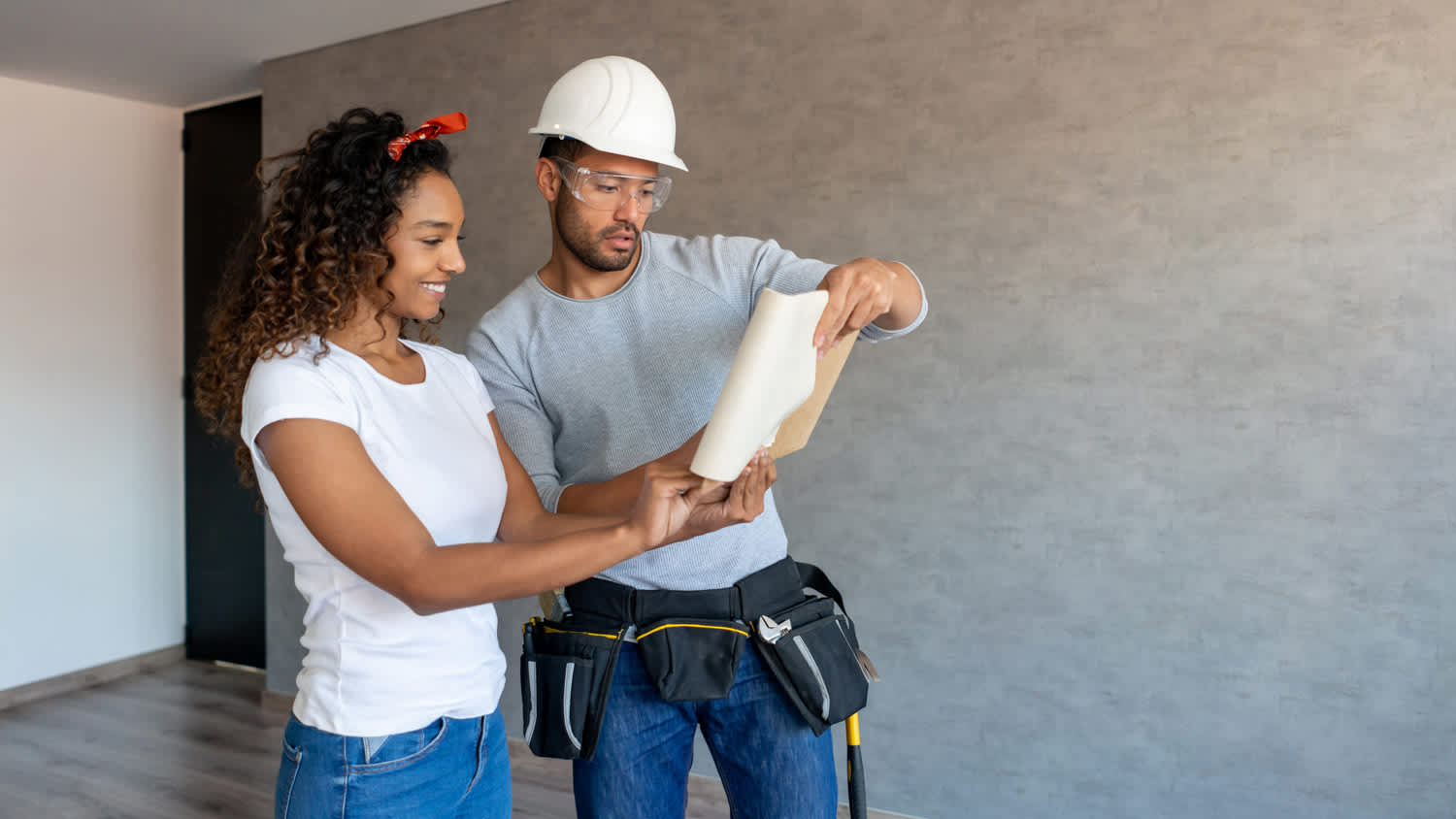
You want the best contractor for your project, so interview several people before hiring anyone. If they ask any of these questions, find someone else.

To make your home project stress-free, we’ve compiled a list of 12 questions to ask your contractor during every stage, from first contact to project wrap-up.

Whether you’re remodeling or fixing damage, you want to hire a contractor you feel good about and trust. Here’s what to ask before hiring a contractor.

If you need help deciding what contractor or company to hire for your project, check their references. Find out about the quality of the contractor’s work, the contractor’s experience level, and if they stayed on budget with these questions.

Hiring a contractor can feel daunting, but being prepared can make all the difference. Learn how to find the best contractor for your project’s needs, plus find out how much an estimate may cost and what to expect during the rest of the job.