





Top-rated arborists.

Get matched with top arborists in Princeton, WV

Enter your zip and get matched with up to 5 pros

Need a pro for your arboricultural service project in Princeton, WV?

Select your specific project to find the pro for you.

TRUSTED BY PRINCETON, WV HOMEOWNERS

  • Average homeowner rating star icon4.7
    Average homeowner rating
  • Verified reviews icon102
    Verified arboricultural services reviews

Find Arborists in Princeton

Avatar for NRV Tree Pro, LLC
NRV Tree Pro, LLC
5.0(
19
)
Tree RemovalTree TrimmingTree Removal - For Business+5 more

Serving Princeton, WV and surrounding areas

Approved

Free estimates

Emergency services offered

Customers say: True professional

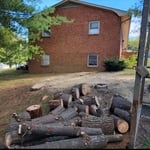
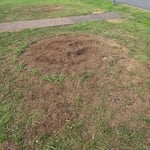
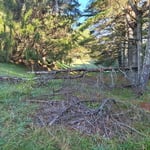
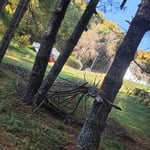
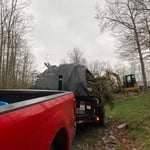
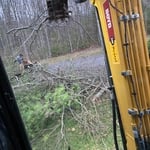
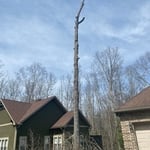
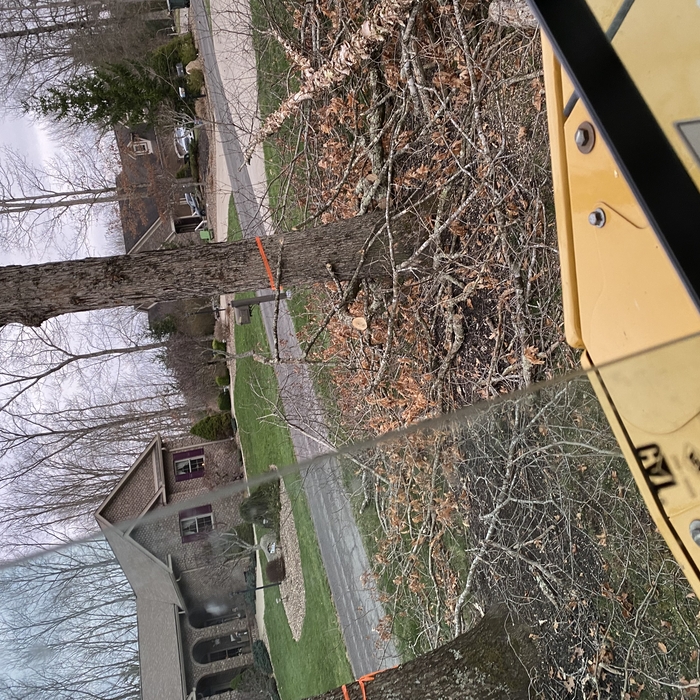
"Super job. Cleaned up debris and did an awesome job. He cut a 40” oak for me and about 12 large pines for my neighbor who was very pleased with the job he did. He also reseeded the neighbors yard when he finished. Super guy."
Tree Service Project

+6

Response time4 days
7 neighbors recently requested a quote
Recommended by100%of homeowners

Avatar for Assured Handy Service, LLC
Assured Handy Service, LLC
5.0(
44
)
Tree Trimming

Serving Princeton, WV and surrounding areas

Approved

Super Service Award Winner

In business since 2024

Emergency services offered

Warranties offered

"This man is efficient, shows up on time and does a wonderful job. He shows you options (if you want to save money on a project) I’ve already asked for more work to be done. I’ll be keeping him busy! Will definitely be using him for help in the future."
Handymen Project
Original pedestal sink
New Toilet and Plumbing
Gate Installation
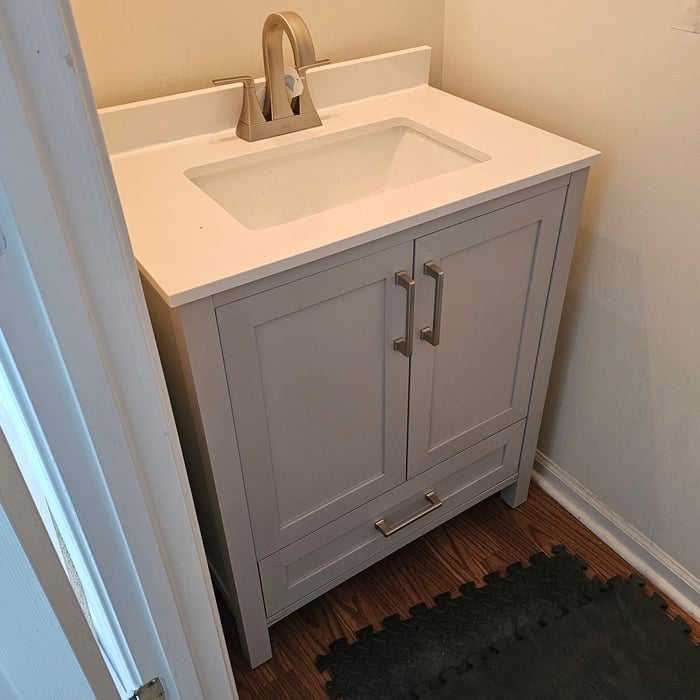
New Vanity

+18

Response time1 day
Response rate100%
10 neighbors recently requested a quote
Avatar for J & C ELITE CONTRACTING LLP
J & C ELITE CONTRACTING LLP
New to Angi
Tree RemovalTree Stump - RemoveTree Trimming

Serving Princeton, WV and surrounding areas

Approved

Free estimates

Emergency services offered

Warranties offered

J & C ELITE CONTRACTING LLP is a partnership ran by Christopher Sprouse and Justin Perry two friends who decided to do business together we strive for precision and quality and ensure that we offer a free one year warranty on all completed contracting projects

...
Showing 1-10 of 92
Arborists questions, answered by experts

The fastest ways to remove a tree stump are by grinding it or burning it.

Stump grinding is often the quickest method, with professionals able to chip away a stump and its roots within a single session. You have the option to hire a professional stump removal service or rent a stump grinder to do it yourself. However, it's important to note that these machines can be large, difficult to transport, and dangerous to operate without prior experience. For safety reasons, hiring a local arborist or landscape specialist is often recommended.

Burning is another fast option. Before you begin, check your local burn laws. The process involves drilling holes into the stump, filling them with vegetable oil, and waiting 24 to 48 hours. Afterward, you can add charcoal bricks to the surface and light the fire, which must be attended at all times.

For a more affordable but much slower alternative, you can use potassium nitrate pellets to accelerate the natural decomposition process. This method typically takes four to six months.

Trees are beneficial to the environment and wildlife. If you have an old tree, but it’s healthy, it may be best to avoid cutting it down. However, if it’s showing signs of bug infestation, disease, or is potentially hazardous, then you should contact a tree removal company to cut it down. 

If you are unsure whether you should have it removed or not, then speak with an arborist to determine what is best.

The best time to transplant a tree is when it is dormant. For many trees, this means either in the fall after the leaves have dropped (around October or November) or in early spring before new growth begins (around March). The ideal timing can depend on the type of tree. Deciduous trees do well when moved in early spring or fall, while evergreens are best transplanted in early spring or late summer. For example, pine trees are best moved in early fall, but maples prefer late fall. Avoid transplanting in winter, as the frozen or hard, cold soil poses a significant risk to the roots and prevents the tree from acclimating properly.

Yes, cutting a tree's roots can cause it to fall, particularly if major support roots are severed. In extreme cases, trimming roots can affect the tree's structure and stability. Many crucial roots are located just below the soil's surface. If you make severe cuts to roots more than 2 inches in diameter, you risk impacting the tree's water flow and its ability to withstand severe winds or storms. Even cutting roots less than half an inch in diameter under or outside the tree's canopy can cut off its water supply, causing it to decline, die, and eventually topple.

The ideal depth of a tree notch depends on the tree, but it should usually be between 20% and 25% of the tree’s depth. However, if the tree is leaning towards the direction of the notch, it can be cut more shallowly—at as little as 10% of the depth. When the tree is leaning away from the direction it needs to be felled, you can cut deeper, closer to 30%.

The Princeton, WV homeowners’ guide to arboricultural services

From average costs to expert advice, get all the answers you need to get your job done.