




Top-rated arborists.

Best arborists near Brush Fork, WV

Enter your zip and get matched with up to 5 pros

Need a pro for your arboricultural service project in Brush Fork, WV?

Select your specific project to find the pro for you.

TRUSTED BY BRUSH FORK, WV HOMEOWNERS

  • Average homeowner rating star icon4.7
    Average homeowner rating
  • Verified reviews icon64
    Verified arboricultural services reviews

Top-Rated Arborists in Brush Fork - Updated Nov 2026

Avatar for Assured Handy Service, LLC
Assured Handy Service, LLC
5.0(
46
)
Tree Trimming

Serving Brush Fork, WV and surrounding areas

Approved

Super Service Award Winner

In business since 2024

Emergency services offered

Warranties offered

"This man is efficient, shows up on time and does a wonderful job. He shows you options (if you want to save money on a project) I’ve already asked for more work to be done. I’ll be keeping him busy! Will definitely be using him for help in the future."
Handymen Project
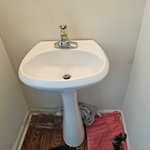
Original pedestal sink
New Toilet and Plumbing
Gate Installation
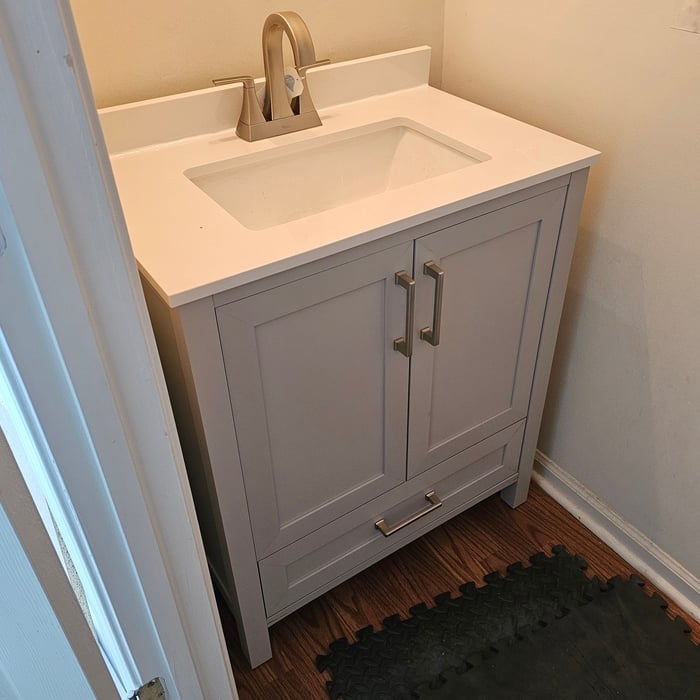
New Vanity

+18

Response time1 day
Response rate100%
3 neighbors recently requested a quote
Avatar for Woodring Arbor Wellness
Woodring Arbor Wellness
5.0(
4
)
Tree RemovalTree Trimming

Serving Brush Fork, WV and surrounding areas

In business since 2021

Free estimates

Emergency services offered

"The gentlemen were thorough. They did not rush. They viewed the job from all angles and worked accordingly to give balance to the trees. The cleanup was superb. There was no damage to my yard. They were both friendly and courteous. I would hire them again."
Response time1 day
Recommended by100%of homeowners
...
Showing 1-10 of 83
Arborists FAQs, answered by experts

The depth of tree roots depends on the species. Trees like oaks and maples can have root systems that grow down 20 feet or more. However, trees that grow in shallow soils will have roots that go only a few feet down. Research how your tree species grows in your climate area to estimate root depth.

Rock salt or Epsom salt can damage and kill tree roots over several weeks and can even assist in removing the tree's stump. However, you need to drill holes or cut into the stump and surface tree roots to inject them properly with the salt. Repeat the process every two weeks until the roots visibly rot away.

While it’s best to have access to large, healthy, strong trees in a safe position, treehouse living is still possible without them. Contractors can fit tree posts to build the structure onto or use posts as additional support alongside the trees themselves. If you’re in doubt about the suitability of the trees on your land, consult with a local treehouse builder before you start the project.

It’s not as common for Dutch elm disease to affect other types of trees, especially if the surrounding trees aren’t elms. However, it is possible for DED to spread to other trees, particularly in northern states, like Minnesota. In fact, it’s a good idea to use geography to identify wood and determine which types of trees are in your yard. 

Unfortunately, the complex and shallow root system of elm trees makes surrounding elm trees particularly vulnerable to DED. Early discovery is key!

A chainsaw is the best tool to cut down a tree, but you may also use a handsaw or ax. You may also want to use a lopper or pole saw to remove limbs before cutting down the tree. Wear chainsaw chaps and protective gear, including eyewear and earplugs if you use a chainsaw. Again, if you’re unsure about how to use this tool, this project may be one to skip.

The Brush Fork, WV homeowners’ guide to arboricultural services

From average costs to expert advice, get all the answers you need to get your job done.