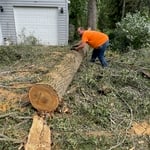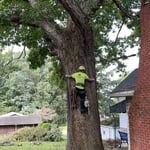








Top-rated leaf removal pros.

Get matched with top leaf removal pros in Fairmont, WV

Enter your zip and get matched with up to 5 pros

Need a pro for your leaf removal project in Fairmont, WV?

Select your specific project to find the pro for you.

TRUSTED BY FAIRMONT, WV HOMEOWNERS

  • Average homeowner rating star icon4.9
    Average homeowner rating
  • Verified reviews icon10
    Verified leaf removal services reviews

Find Leaf removal pros in Fairmont

Avatar for Hamners contracting
Hamners contracting
New to Angi
Waste, Junk, Building Materials and Debris - Remove and Haul

Serving Fairmont, WV and surrounding areas

Approved

Free estimates

Emergency services offered

Small jobs welcome

Hello, I am a 29 year old husband and father. I have a vast range of experience with home care, construction, and remodeling. \n\nI am determined to get my business rolling and get away from the coal mines so I’m more available for my family. \n\nHelp me, help you with all your needs! \n\nI am also a licensed electrician. \n\nNo job to big or small! We do them all!

...
Showing 1-10 of 153
Leaf Removal questions, answered by experts

If your home was built before 1978, there’s a chance that any paint on your hardwood floors could be lead paint—especially if it was already there when you moved in. Because lead is toxic, hiring a licensed pro to remove it is mandatory. The average price for professional lead paint removal ranges from $1,500 to $5,300 and depends on the scope of the project.

Lead toxicity comes from inhaling lead or consuming it. Before the 1980s, when the government banned lead from consumer use, it could be found in paint, plumbing, pipes, ceramics, and even gasoline. Lead paint is toxic for the same reason lead itself is toxic, which is why lead poisoning from paint presents the same as lead poisoning from water or food sources, with a slight increase in respiratory symptoms vs. digestive symptoms. Lead paint is most dangerous when it’s old and peeling, cracking, or otherwise disturbed. This increases the concentration in the air and, therefore, in breathable air. 

If the lead paint is in a place that is not easily disturbed and is not flaking or deteriorating, you do not necessarily need to remove it. Lead is toxic when dust particles or flakes from peeling lead paint are ingested. If people are not in the area with the lead paint, it may be safe to leave it in place. You still may want to consider encapsulation with a paint formulated for covering lead-based paint, just for an added layer of protection.

While not all homes built before 1978 contain lead paint, enough do, so you’ll still want to test to be on the safe side. The federal government banned lead-based paint for homes in 1978, but your state may have banned lead before that time. Around 24% of homes built between 1960 and 1977 contained lead-based paint, while 87% of homes built before 1940 contained lead-based paint.

Chlorine has a shelf life of between six months and several years, depending on its type and formulation. Liquid chlorine can often lose its effectiveness in just a few weeks. Pool owners can find themselves with overstock that they need to get rid of. The best way to dispose of excess chlorine is to take it to a hazardous waste collection site and let the pros handle it.  

The Fairmont, WV homeowners’ guide to leaf removal services

From average costs to expert advice, get all the answers you need to get your job done.