Top-rated leaf removal pros.

Best leaf removal pros near Masontown, WV

Enter your zip and get matched with up to 5 pros

Need a pro for your leaf removal project in Masontown, WV?

Select your specific project to find the pro for you.

TRUSTED BY MASONTOWN, WV HOMEOWNERS

  • Average homeowner rating star icon4.7
    Average homeowner rating
  • Verified reviews icon20
    Verified leaf removal services reviews

Top-Rated Leaf removal pros in Masontown - Updated Nov 2026

Avatar for Impressions Landscaping & Excavation
Impressions Landscaping & Excavation
5.0(
4
)
Lawn Care - Maintain and Mow a Lawn

Serving Masontown, WV and surrounding areas

Approved

Super Service Award Winner

In business since 2022

Free estimates

Credit card accepted

"My grass was really high and he tackled the job no problem. He was polite and professional. My yard looks fantastic. It impressed my neighbor across the street how great it looked - the best in the 4 years I have lived there - that he asked for a business card. I definitely recommend!"
Response time3 hrs
4 neighbors recently requested a quote
Avatar for Hamners contracting
Hamners contracting
New to Angi
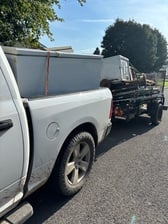
Waste, Junk, Building Materials and Debris - Remove and Haul

Serving Masontown, WV and surrounding areas

Approved

Free estimates

Emergency services offered

Small jobs welcome

Hello, I am a 29 year old husband and father. I have a vast range of experience with home care, construction, and remodeling. \n\nI am determined to get my business rolling and get away from the coal mines so I’m more available for my family. \n\nHelp me, help you with all your needs! \n\nI am also a licensed electrician. \n\nNo job to big or small! We do them all!

...
Showing 1-10 of 123
Leaf Removal FAQs, answered by experts

Hazardous waste is waste that poses a threat to human or environmental health. This generally refers to waste that is flammable, corrosive, toxic, or reactive. To confirm if the waste you need to remove is considered hazardous waste, contact your local hazardous waste facility.

It is safe to remove old linoleum, but it may require the help of a specialist due to the risk of asbestos in the material. Before you cut into linoleum or try to peel it up, have it tested for asbestos. If it tests positive, professionals will need to remove it to prevent the risk of health issues from airborne toxic particles. If it’s asbestos-free, DIY removal is possible and safe.

You should ask a few questions to ensure that your potential lead removal professional is experienced and qualified to handle lead-paint abatement safely, legally, and properly.

  • What are your qualifications and experience removing lead-based paint?

  • Are you licensed and certified to remove lead-based paint?

  • How do you test for lead paint?

  • What methods do you use for lead-based paint abatement?

  • What do you plan to do with the hazardous material when you remove it from the home?

  • Do you do replacement and painting work or removal only?

The safest way to remove lead-based paint is by letting a professional take over. For most people, lead paint removal costs an average of $3,400. You should never attempt to dry sand old lead-based paint surfaces by hand. Most professionals use a paint stripper to do the job followed by wet scraping, but if you don’t want to remove lead paint, another option is to paint over it. Only consider this option if the old lead paint finish isn’t flaking or cracked.

According to the Environmental Protection Agency (EPA), hazardous waste is generally classified into four main categories:

1. Characteristic Wastes: These exhibit at least one of four hazardous traits: ignitability (flammable, like gasoline), corrosivity (can rust or decompose materials, like car batteries), reactivity (unstable and can explode, like aerosol cans), or toxicity (harmful when ingested, like lead-based paint).

2. Listed Wastes: These are specific wastes from manufacturing and industrial processes that the EPA has officially designated as hazardous. They include byproducts from processes that use solvents, pesticides, and other chemicals.

3. Universal Wastes: These are commonly generated hazardous items that are subject to streamlined regulations. Examples include batteries, pesticides, mercury-containing equipment (e.g., bulbs), and some lamps.

4. Mixed Wastes: This category includes waste that contains both hazardous and radioactive components, making it subject to regulation by both the EPA and the Nuclear Regulatory Commission.
The Masontown, WV homeowners’ guide to leaf removal services

From average costs to expert advice, get all the answers you need to get your job done.