





Top-rated radon detection and reduction specialists.

Get matched with top radon detection and reduction specialists in Davisville, WV

Enter your zip and get matched with up to 5 pros

Need a pro for your radon detection and reduction project in Davisville, WV?

Select your specific project to find the pro for you.

Find Radon detection and reduction specialists in Davisville

Avatar for Webb Property Inspections
Webb Property Inspections
5.0(
6
)
Radon Gas - Testing

Serving Davisville, WV and surrounding areas

In business since 2002

Free estimates

Emergency services offered

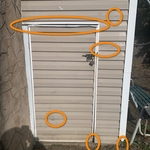
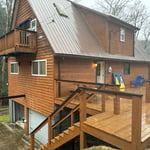
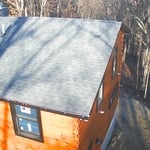
"⭐⭐⭐⭐⭐ I first worked with Cristian Papa of Webb Inspection Services during a full home inspection last year and was so impressed with his professionalism and attention to detail that I hired him again to evaluate recent roofing work at my property. Cristian conducted a thorough inspection, carefully documented his findings with photographs, and provided a detailed, well-organized report that was easy to understand. His attention to detail and ability to identify areas requiring further review gave me valuable information to make informed decisions regarding my property. Throughout both inspections, Cristian was professional, knowledgeable, responsive, and willing to answer questions. It is clear that he takes pride in his work and provides honest, independent evaluations. I highly recommend Cristian Papa and Webb Inspection Services to anyone looking for a thorough and trustworthy home inspector."
Home Inspection Project
Brand new build inspection (pre-purchase).
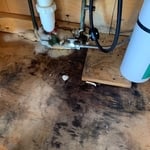
Water leak that has left the home with foreign substance growth.
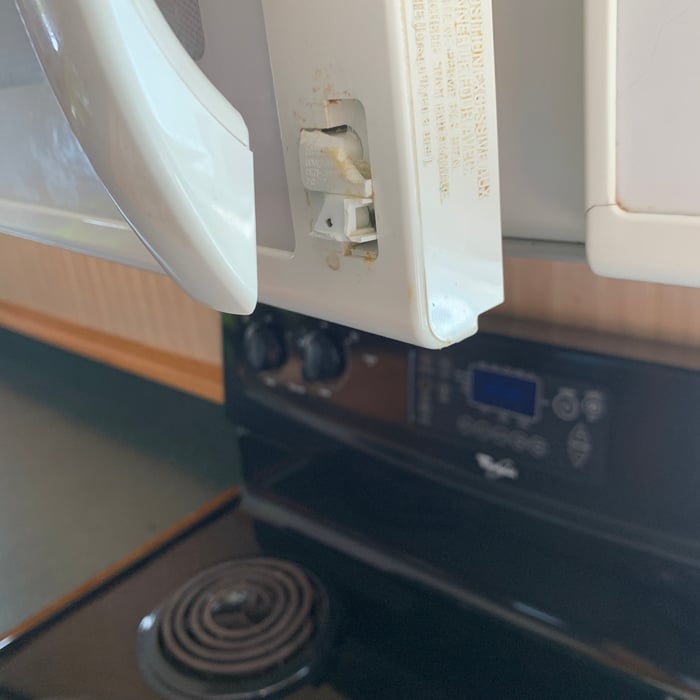
Microwave handle broken.

+35

Recommended by16%of homeowners
Radon Detection and Reduction questions, answered by experts

The average radon mitigation system uses about 876 kWh of electricity per year, although the exact amount of electricity used will vary depending on the size of the radon fan. Once the system is installed, the annual increase to your energy bill could range from $30 to $300 per year, again depending on the size of the fan.

Mitigation can take several days depending on home setup, equipment accessibility, and achieving effective diffusion system sealed efficiency.

Radon enters your home when warm air begins to rise and exits through the roof, creating a vacuum that pulls cooler air from under the foundation. Part of that air is radon, which is an invisible, odorless gas that develops naturally when radioactive particles are deep within the ground. Those particles usually come from decaying matter in soil and rocks.

You can vent radon out of your house sometimes by simply opening a window, but it won’t remove the source, and will likely rise above recommended levels quickly. A professional will be needed to assess your home, and determine the best strategy for radon removal. Active radon sump pumps and soil depressurization systems are often used to forcefully vent the radon from your home.

The lifespan of a radon mitigation system depends on the type of system and its maintenance. With proper care, a system can last for many decades. Passive systems tend to last longer as they have fewer components that require replacement. Active systems, which have more moving parts like fans, generally have a shorter lifespan. For instance, water filtration devices and active pressurization systems require more frequent maintenance. While the system as a whole is durable, the radon fan in an active system typically has a lifespan of 5 to 10 years and will need to be replaced. As long as the fan is working, the mitigation system should function correctly.

The Davisville, WV homeowners’ guide to radon detection and reduction services

From average costs to expert advice, get all the answers you need to get your job done.