

Top-rated radon detection and reduction specialists.

Get matched with top radon detection and reduction specialists in Charleston, WV

Enter your zip and get matched with up to 5 pros

Need a pro for your radon detection and reduction project in Charleston, WV?

Select your specific project to find the pro for you.

Find Radon detection and reduction specialists in Charleston

Avatar for SWAT Environmental, Inc.
SWAT Environmental, Inc.
5.0(
2
)
Radon Gas - Abatement

Serving Charleston, WV and surrounding areas

In business since 1988

Free estimates

Credit card accepted

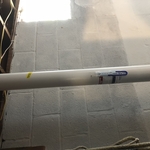
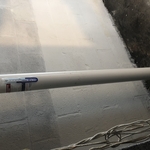
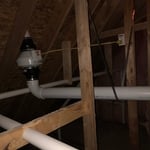
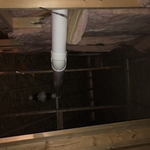
SWAT Environmental has keeping homeowners safe from Radon Gas since 1988. We are the nation's largest Radon Mitigation company but we are local operated and give each customer personal, high class service! Installing over 150,000 mitigation systems, SWAT is the industry leader in Radon Awareness and Mitigation. Call us today to schedule your radon mitigation system installation for less than the cost of most major home appliances!

Response time12 hrs
Recommended by100%of homeowners

Radon Detection and Reduction questions, answered by experts

No, radon mitigation systems do not decrease home value or make a home harder to sell. In areas where homes experience similar radon exposure risks, a radon mitigation system is viewed as an improvement. Potential homebuyers often opt to buy a home with a radon mitigation system already installed to reduce the risk of cancer for their families.

Radon is present almost everywhere but, like sunlight, the concentration levels and how often you are exposed to it have a large part to play in just how dangerous it is. There are levels of radon that are acceptable inside a house, but above a certain limit, radon becomes a serious radioactive hazard that is a known cause of lung cancer. In fact, radon exposure is the number two leading cause of lung cancer (after smoking).

You'll need to test your home for radon after installing the mitigation system, then again every two years. If radon remains elevated, contact a licensed radon professional, either the contractor who installed the system or a different one, and have them evaluate the system. They may need to make some changes to improve its effectiveness and performance.

The natural breakdown of uranium in soil, rock, and water can cause radon to appear in a home. The gas seeps into homes through cracks in foundations, walls, or floors, as well as through gaps around pipes or construction joints. Radon levels are influenced by soil composition, building materials, and ventilation. Poorly sealed or airtight homes can trap radon, allowing it to accumulate.

Radon enters your home when warm air begins to rise and exits through the roof, creating a vacuum that pulls cooler air from under the foundation. Part of that air is radon, which is an invisible, odorless gas that develops naturally when radioactive particles are deep within the ground. Those particles usually come from decaying matter in soil and rocks.

The Charleston, WV homeowners’ guide to radon detection and reduction services

From average costs to expert advice, get all the answers you need to get your job done.