




Top-rated radon detection and reduction specialists.

Get matched with top radon detection and reduction specialists in Dunbar, WV

Enter your zip and get matched with up to 5 pros

Need a pro for your radon detection and reduction project in Dunbar, WV?

Select your specific project to find the pro for you.

Find Radon detection and reduction specialists in Dunbar

Avatar for SWAT Environmental, Inc.
SWAT Environmental, Inc.
5.0(
2
)

Serving Dunbar, WV and surrounding areas

In business since 1988

Free estimates

Credit card accepted

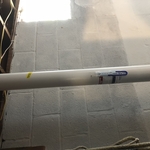
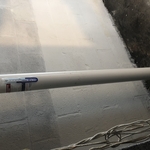
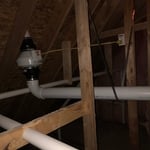
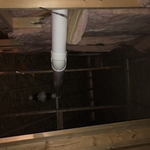
SWAT Environmental has keeping homeowners safe from Radon Gas since 1988. We are the nation's largest Radon Mitigation company but we are local operated and give each customer personal, high class service! Installing over 150,000 mitigation systems, SWAT is the industry leader in Radon Awareness and Mitigation. Call us today to schedule your radon mitigation system installation for less than the cost of most major home appliances!

Response time12 hrs
Recommended by100%of homeowners

Radon Detection and Reduction questions, answered by experts

Keeping radon from getting into your home is much better than having to get rid of it once it's already indoors. While there may not be a way to fully prevent radon from getting into your home, there are things you can do to reduce the gas's ability to enter. 

Sealing foundation cracks and openings can help keep the gas from seeping inside. Improving air flow, such as by opening windows, can also be helpful. If you're building your home from scratch, talk to your contractor about using radon-resistant construction to keep the gas out.

Mitigation can take several days depending on home setup, equipment accessibility, and achieving effective diffusion system sealed efficiency.

The natural breakdown of uranium in soil, rock, and water can cause radon to appear in a home. The gas seeps into homes through cracks in foundations, walls, or floors, as well as through gaps around pipes or construction joints. Radon levels are influenced by soil composition, building materials, and ventilation. Poorly sealed or airtight homes can trap radon, allowing it to accumulate.

Radon enters your home when warm air begins to rise and exits through the roof, creating a vacuum that pulls cooler air from under the foundation. Part of that air is radon, which is an invisible, odorless gas that develops naturally when radioactive particles are deep within the ground. Those particles usually come from decaying matter in soil and rocks.

If your home has a sump pit, you can integrate it with a radon mitigation system. You can accomplish this by sealing the pump cover with an airtight lid that accommodates radon vent pipes and sump pump hoses. This allows the vent pipe to redirect the radon gas outside of your home.

The Dunbar, WV homeowners’ guide to radon detection and reduction services

From average costs to expert advice, get all the answers you need to get your job done.