





Top-rated above ground pool installation pros.

Get matched with top above ground pool installation pros in Brush Fork, WV

Enter your zip and get matched with up to 5 pros

Need a pro for your above ground pool installation project in Brush Fork, WV?

Select your specific project to find the pro for you.

Find Above ground pool installation pros in Brush Fork

Avatar for American Home Shield – Home Warranty
American Home Shield – Home Warranty
3.5(
5,689
)
Above Ground Swimming Pool or Accessories - Repair or Service

Serving Brush Fork, WV and surrounding areas

In business since 1971

Credit card accepted

"One oven doesn't work at all ( my choice, see above), the "working" oven was never calibrated properly so using it is hit or miss. It's time to call American Home Shield to see about replacing the entire unit. I'm waiting to finish other home projects before calling them. I don't know if I'll request Greenway again."
Additional Photos
Additional Photos
Additional Photos
Additional Photos
Additional Photos

+2

Recommended by65%of homeowners
Install Above Ground Pools questions, answered by experts

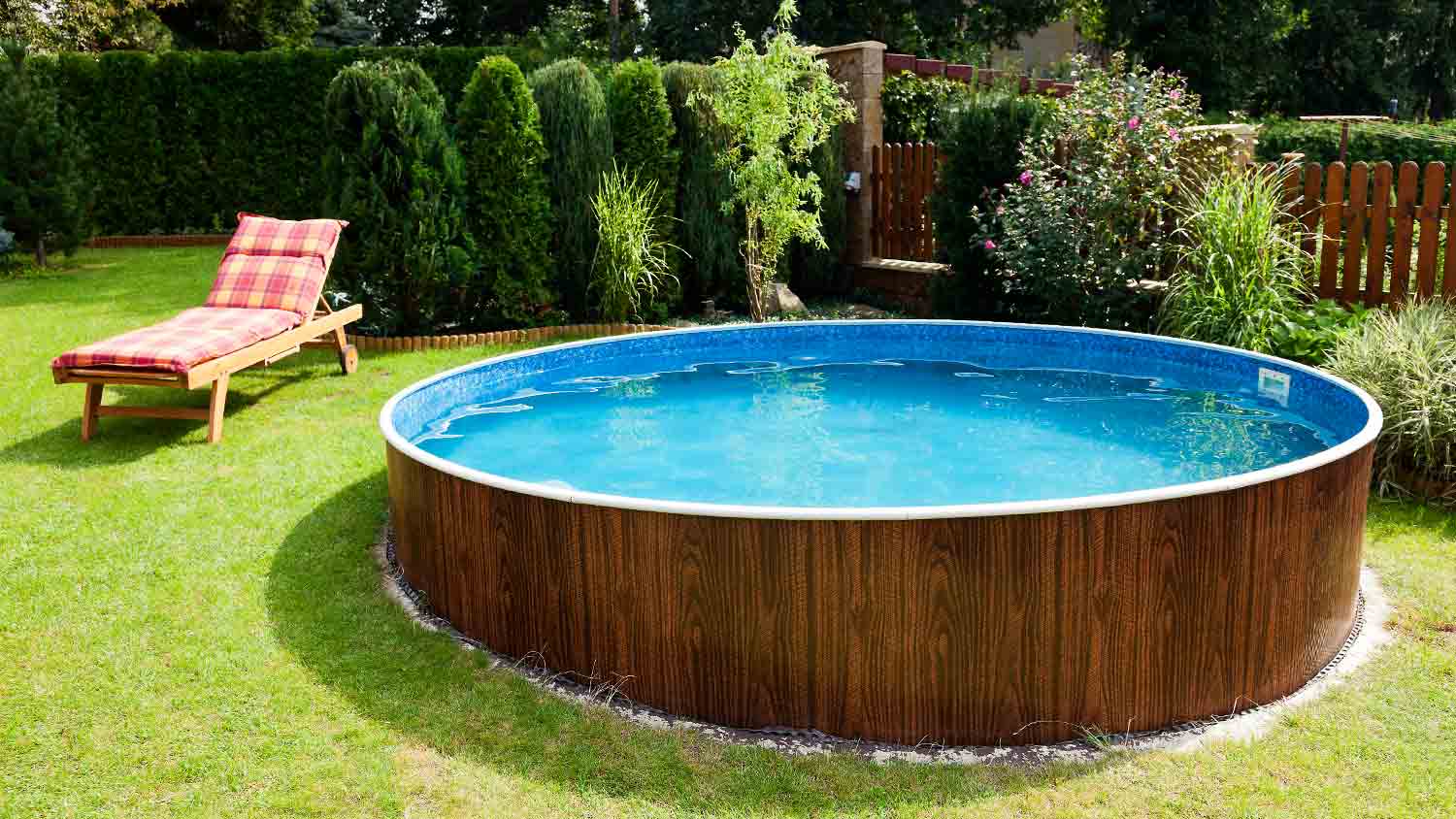
There are a few differences when it comes to winterizing above- vs. inground pools. Above ground pool winterization usually involves less hassle, time, and expense than the process for winterizing an inground pool. All the lines on an above ground pool are easy to access, making draining easier. Plus, above ground pools are typically smaller, meaning cleaning is quicker, and chemicals cost less.

Yes, pool pumps use a significant amount of electricity, making them one of the biggest energy consumers in a home. A pool pump can use up to three times as much electricity as a refrigerator. Typically, a residential pool pump consumes about 1 kilowatt-hour (kWh) for every hour it runs. Because pumps often need to run for about eight hours a day to properly filter the water, this can add up to an annual consumption of 3,000 to 5,000 kWh, which can cost between $480 and $800 per year based on average electricity rates.

The amount of electricity your pump uses depends on its size, energy efficiency, and daily run time. To lower your energy consumption, you can choose an energy-efficient or variable-speed pump, ensure it is correctly sized for your pool, and run it only for the minimum time required to keep the water clean.

Concrete pools are very durable but can crack if not properly maintained. The most significant risk is winter weather and low temperatures when water can seep into crevices and freeze. To avoid damage, use the proper winterization chemicals, and don’t completely drain your pool. Concrete pool repairs cost around $75 per linear foot for small cracks.

Because they are smaller than an average-sized swimming pool, building a plunge pool is less costly than a traditional pool. In-ground swimming pools cost about $67,000, while plunge pools cost around $20,000. You won’t have as much room to swim in, but the smaller size means you spend less on land excavation, materials, and hourly labor rates.

Spools can come as small as 10 x 6 feet, so they don’t take up a lot of room in your yard. You’ll want to plan for pool decking, fencing, and other features that may take additional space, but for the most part, a spool’s small footprint makes it a great choice when you don’t have much yard space to spare.

The Brush Fork, WV homeowners’ guide to above ground pool installation services

From average costs to expert advice, get all the answers you need to get your job done.