




Top-rated paving pros.

Get matched with top paving pros in Weston, WI

Enter your zip and get matched with up to 5 pros

Need a pro for your paving service project in Weston, WI?

Select your specific project to find the pro for you.

TRUSTED BY WESTON, WI HOMEOWNERS

  • Average homeowner rating star icon4.2
    Average homeowner rating
  • Verified reviews icon16
    Verified paving services reviews

Find Paving pros in Weston

B&E Asphalt
4.0(
14
)
Asphalt Paving - InstallAsphalt Paving - Install- For BusinessAsphalt Paving - Repair or Patch+2 more

Serving Weston, WI and surrounding areas

Approved

In business since 1995

Free estimates

Credit card accepted

30 Years Experience \nYour satisfaction isn’t just a goal—it’s our promise. We pride ourselves on being more than just a provider; we are a partner you can trust. By combining thorough, high-quality work with a proactive approach to your concerns, we ensure every detail is handled with integrity and speed. We uphold the highest ethical standards so you can rest easy. Let’s get started—call us today! 608-567-9259 \n

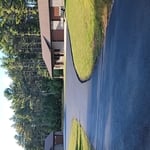
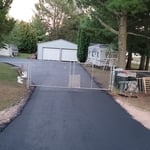
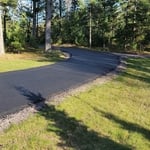
Asphalt work
Asphalt work
Asphalt work
Asphalt work
Asphalt paving

+8

3 neighbors recently requested a quote
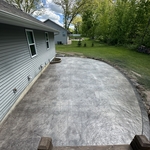
Recommended by72%of homeowners
Avatar for B&E Asphalt
B&E Asphalt
4.0(
14
)
Asphalt Paving - InstallAsphalt Paving - Repair or Patch

Serving Weston, WI and surrounding areas

In business since 1976

Free estimates

Small jobs welcome

"Outstanding customer service from first phone call to finished product. Pricing was fair, very comparable to the other companies I reached out to. Great group of workers, friendly, hardworking and paid close attention to details. They ensured I was fully satisfied with the job before they left. Their work was nothing short of exceptional and their great customer service set them apart from the other companies."
jobs
New Asphalt Driveways
Response time4 days
Recommended by72%of homeowners
Showing 1-10 of 32
Paving Services questions, answered by experts

Wet cutting is usually the preferred method. It controls dust, which helps protect your lungs and makes for a cleaner working environment. Plus, the water cools the blade, preventing overheating and prolonging its life while providing smoother, more precise cuts. The downside is the mess—water and asphalt sludge can be messy to clean. Dry cutting, though convenient if water isn’t available, creates a lot of dust, which can be harmful. This also increases the risk of blade damage due to overheating. So, if you have the option, wet cutting is the better method for most asphalt jobs.

After removing existing moss, consider using paver blocking sand to fill the joints. This specialty material hardens once placed and serves as an effective barrier against moss and weeds. From there on, regularly clean your pavers and try to keep them dry. You can also seal your paver as a semi-permanent solution — just make sure you reseal every 3 to 5 years.

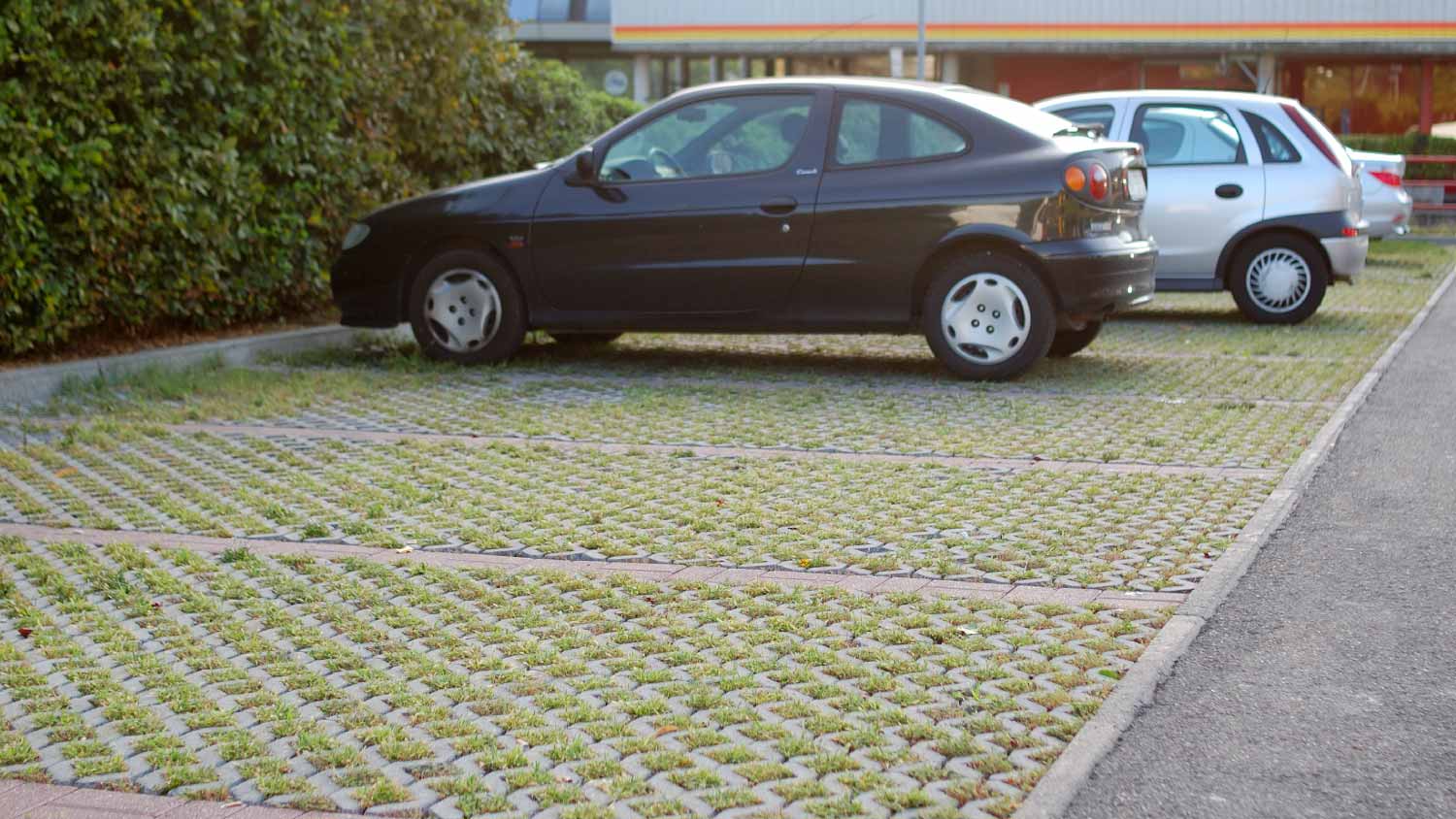
Professional installers often include a deep layer of crushed gravel under permeable pavers to allow more runoff to soak through into the soil below. Many installations will include multiple layers of gravel, with coarser aggregate at the base and finer aggregate that sits on top of that bottom layer. Above the gravel, you’ll often find coarse sand that helps reduce paver shifting over time. Some permeable paver designs include a water collection system set into the gravel layer to route runoff to a safe area for disposal.

Paving is a part of hardscaping, so all paving is hardscaping, but not all hardscaping is paving. Paving involves laying down concrete or asphalt, while hardscaping can also include the use of paving stones, bricks, gravel, wood, and more. Hardscape features that involve paving are considered permanent and will increase your property taxes, while some other hardscaping features—like those involving bricks, gravel, and paving stones—will not affect property taxes. Paving also typically requires a permit, while hardscaping features considered temporary will not.

The dimensions of a driveway apron vary based on local building codes, the width of your driveway, and the distance between the driveway and the road. On average, aprons range from 12 to 24 feet wide and 8 to 18 feet long. Typically, the end of the apron connected to the driveway matches its width—such as 10 to 12 feet for a single-car driveway—while the end at the street flares out to allow cars to turn in and out more easily. In some areas, you may not be responsible for the portion of the apron that extends beyond the sidewalk, but this depends on local laws.

The Weston, WI homeowners’ guide to paving services

From average costs to expert advice, get all the answers you need to get your job done.