Since 1993 we have been specializing in plumbing, heating, and cooling services-- installs, repairs, maintenance, and more! Septic systems, water wells-pumps, drain cleaning+camera services, kitchen-bathroom or whole house remodeling gas piping, radon removal systems, new construction, water softener - iron removal. Just ask! We pride ourselves on the quality work we provide, while delivering great customer service! Check out all of the services we offer below and call -- or-- click to schedule a free estimate today! \n
"I just pay $75 you never know who's going to come out. They do everything electrical. Just about everything is covered except the septic tank. I had an air conditioner replaced. It went great, all I had to do was pay for the freon. He didn't charge e more than what was needed."
We are locally owned and operated. We provide unmatched customer service. We take pride in our professionalism and cleanliness on our job sites. Call us today for your free estimate! We look forward to doing business with you!
Most home wells start at 100 feet, and many go as deep as 200 or 300 feet.
It takes quite a lot of water to meet the demands of showers, toilets, faucets, and appliances like dishwashers and laundry machines, and shallow wells struggle to provide this amount quickly. If you anticipate having high water usage in the future, it’s often better to drill slightly deeper and give yourself a bit more water storage than you need.
Bladder and diaphragm well pressure tanks are usually pre-charged at the factory. Even so, it’s important to check the air pressure in the tank using a tire pressure gauge on the relief valve. The instruction manual usually calls for 28 psi. Use a hand pump to add more air or release some air from the tank to reach the desired number. Check the pressure periodically to see if you need to add more air to the tank.
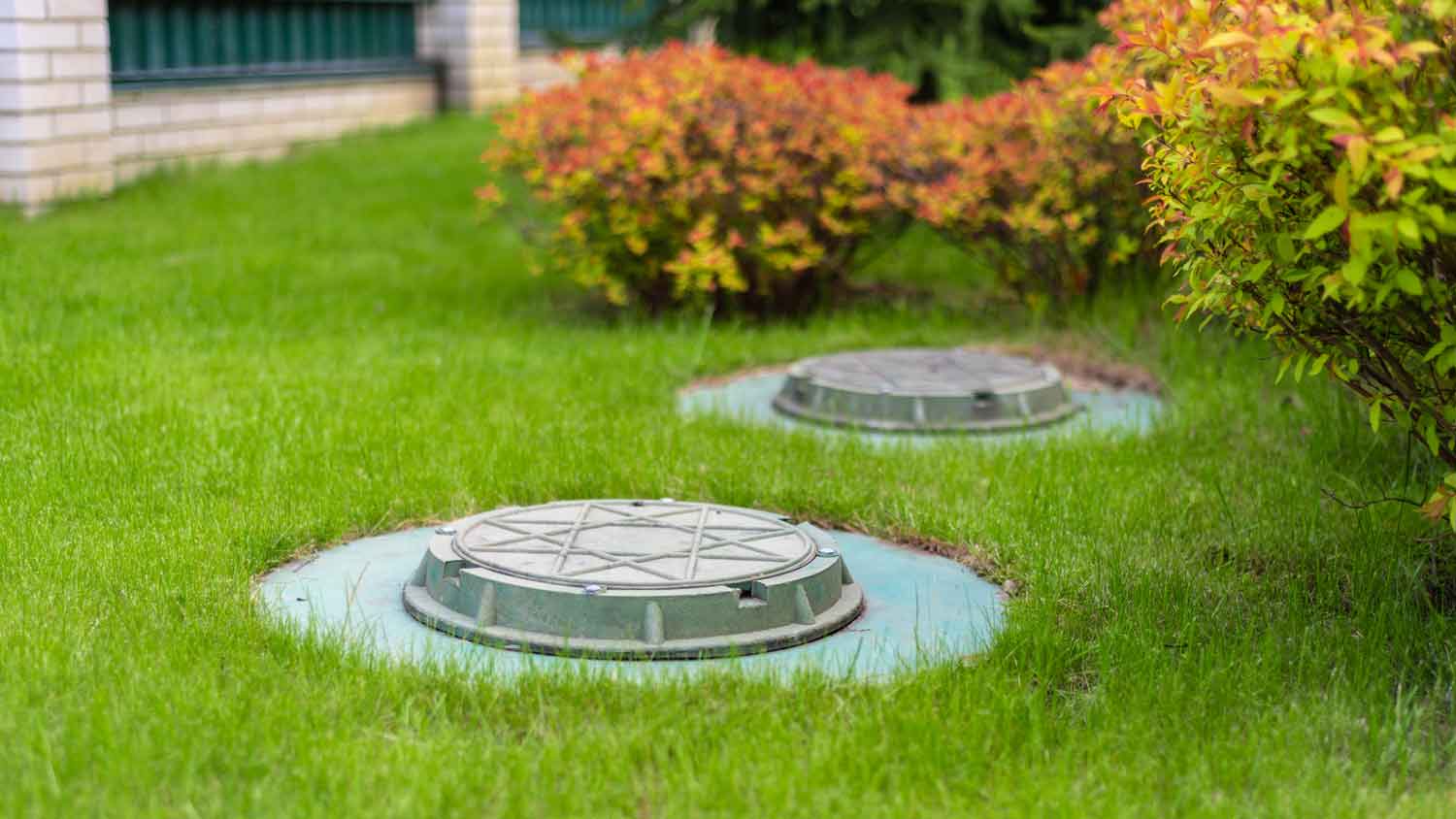
There are a variety of different types of septic systems that can work in your home—such as conventional anaerobic systems, chamber systems, drip distribution systems and mound septic systems. All of them work using natural processes to break down solid waste and effectively treat wastewater without needing to be connected to a city sewer system. Which type of septic system you need will depend on characteristics of your property like how high the bedrock is or groundwater table is. Different types of systems come at different costs to install.
The water refills in a well through gravity that draws water from the water table to fill the vertical hole. The pump brings the fresh water through a pressure tank and to the pipes in your house. The well continues to refill indefinitely as long as you don’t use more water than the well is producing.
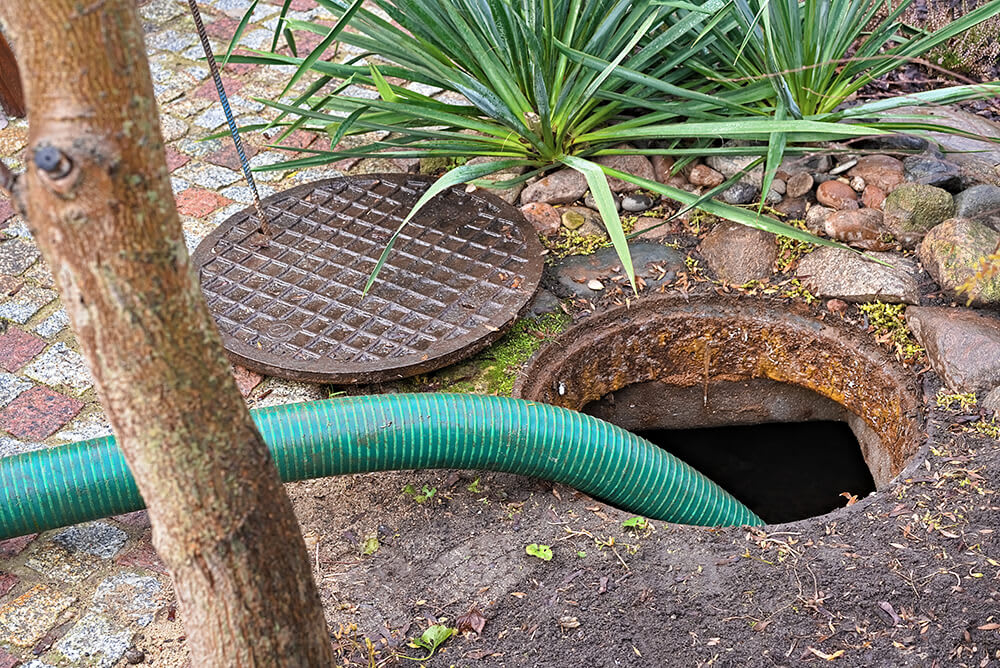
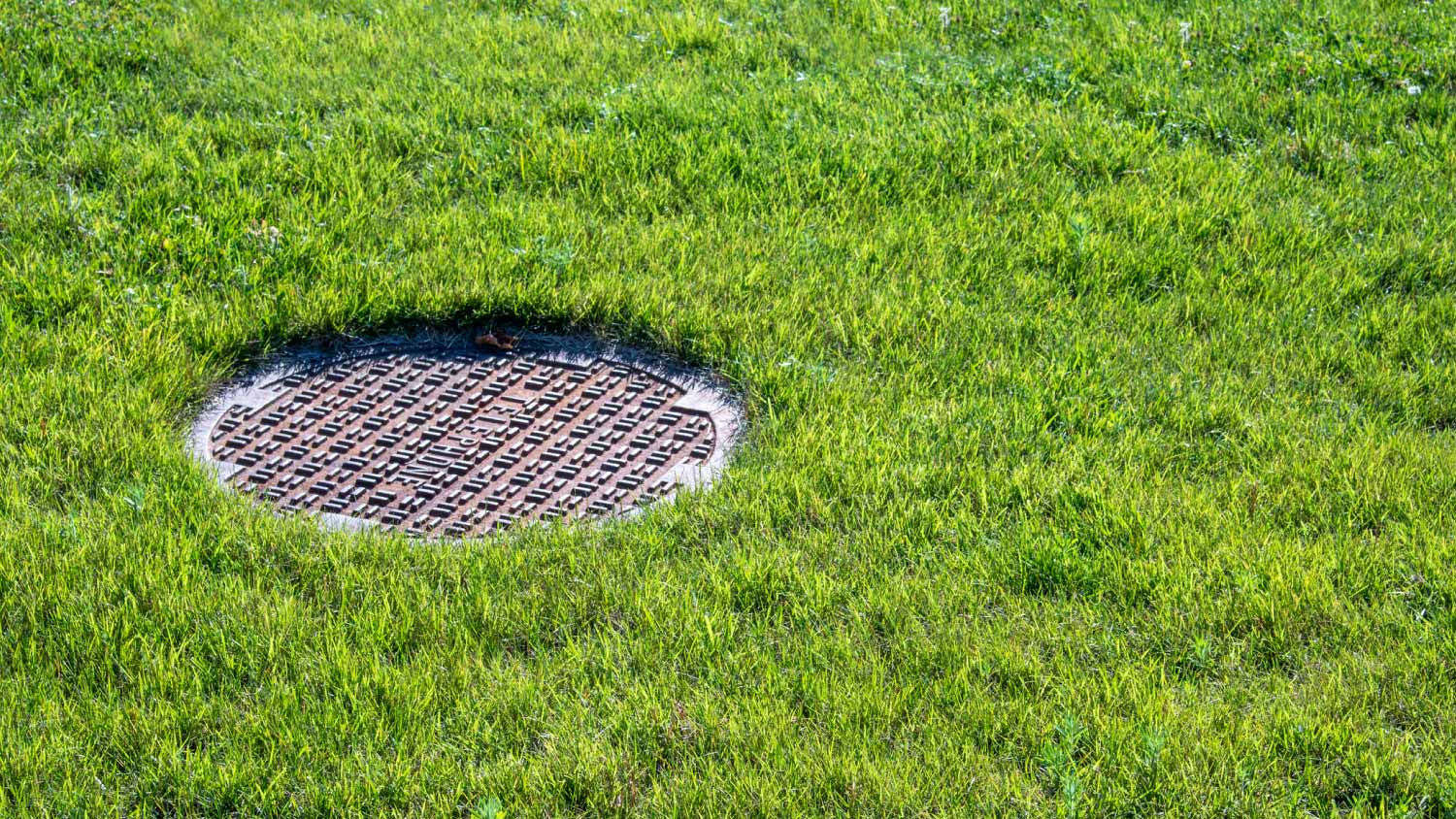
Common signs that a septic tank is full include plumbing issues, odors, and changes in your yard. You may notice wastewater or sewage backing up into your home's drains, or that sinks, tubs, and toilets are draining slowly. Gurgling or bubbling sounds from the pipes are also a key indicator. Outside, you might smell foul sewage odors around your house or the septic tank area. Look for pooling water, spongy soil, or a marshy environment around the drain field. Another tell-tale sign is a patch of grass over the septic system that is suddenly lusher and greener than the rest of your lawn. If you notice any of these signs, you should contact a septic professional for an inspection and pumping.
The Viola, WI homeowners’ guide to septic tank services
From average costs to expert advice, get all the answers you need to get your job done.
Caring for your septic system is crucial to ensuring its long life. But how much does it cost to pump a septic tank? We explore the different cost factors.
It’s crucial to install a septic tank with the right volume to avoid wastewater backups. This guide will help you calculate the right septic tank volume.
Septic tank sizes vary depending on the size of your home, how many people live there, how much water you use, and more. Read on to learn how to determine the right size for you.