







"I just pay $75 you never know who's going to come out. They do everything electrical. Just about everything is covered except the septic tank. I had an air conditioner replaced. It went great, all I had to do was pay for the freon. He didn't charge e more than what was needed."
We're dedicated to providing our clients with the very best service, installation and repair for all phases of your plumbing needs. We specialize in a variety of residential as well as commercial services and take pride in the attention to detail put into each of the projects we're involved with. We're known for our quality work and the integrity of our business. We look forward to building long-term relationships with our clients and guarantee your satisfaction.
For homes with a septic tank, harsh chemicals like those found in drain cleaner or bleach aren’t recommended. Some chemical drain cleaners can disrupt the balance of bacteria in the septic tank or damage your pipes. For homes with a septic tank, you can choose drain cleaners specifically formulated for use with septic tanks or go with a drain snake. When in doubt, make sure you know who to call for a clogged drain.
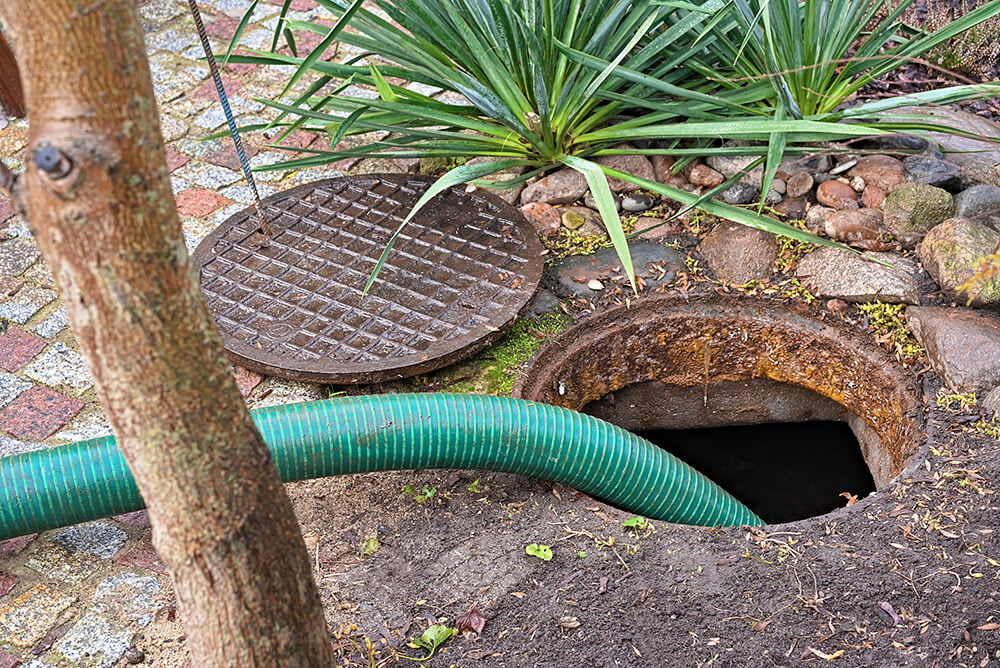
If there’s a problem with your sewage system, you might notice water pooling on the ground around the tank, which could indicate an overflow. Clogged and sluggish drains or foul smells coming from your plumbing are also signs that there might be a blockage in your septic system.
Most shallow residential wells are somewhere between 25 and 50 feet deep. They are among the simplest well systems. Deeper wells usually involve drilling to a much greater depth. Water wells for household use are typically 100 to 500 feet deep, depending on local groundwater conditions. Some may be up to 1,000 feet deep or more.
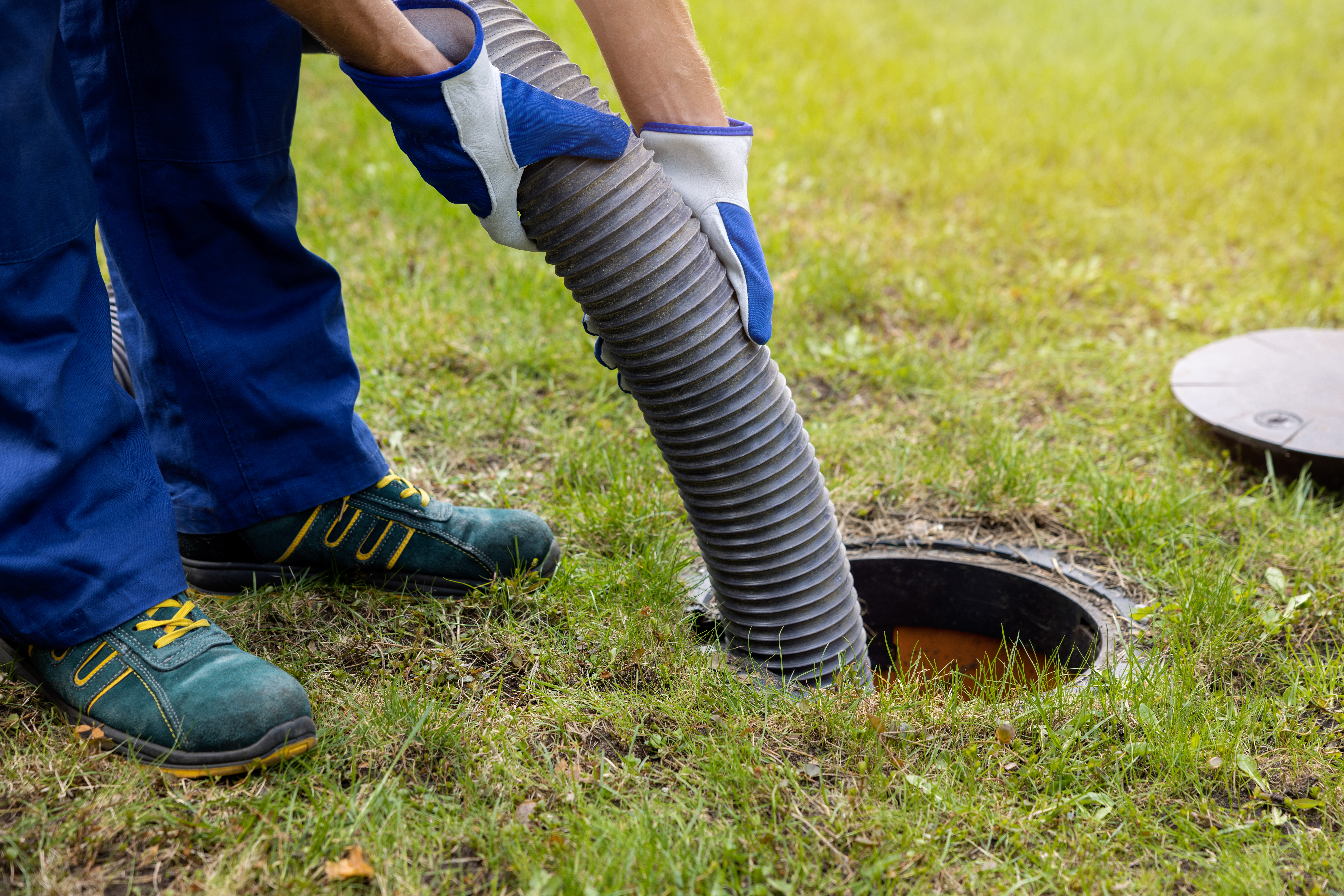
You should pump your septic tank once every two to four years for a family of four, depending on your septic tank size. You should pump a 1,000-gallon septic tank every two years, while a 1,500-gallon tank should be pumped every four years. Water usage also affects how often you should pump your septic tank. If you notice slow drains, foul smells, or gurgling sounds from your drains, you should pump your septic tank as soon as possible.
There are a lot of issues that can cause a septic tank to collapse. Those include failing to regularly pump or service it every three to five years, placing too much weight atop the system—by parking your car on top of it or because of a heavy snow buildup for instance—or because of structural damage done by overgrown tree roots.
The Suring, WI homeowners’ guide to septic tank services
From average costs to expert advice, get all the answers you need to get your job done.
Caring for your septic system is crucial to ensuring its long life. But how much does it cost to pump a septic tank? We explore the different cost factors.
A damaged septic system can leak odors and sewage, so repairs are urgent. Find out how much septic tank repair costs based on repair type, tank size, and more.
Septic tank risers make it easy to access your septic tank when it’s time for routine inspection, maintenance, and pumping, saving you precious time and labor costs.
Septic tank sizes vary depending on the size of your home, how many people live there, how much water you use, and more. Read on to learn how to determine the right size for you.