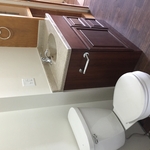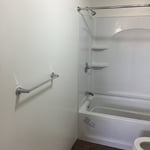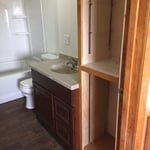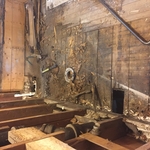







No two plumbing jobs are the same! At Best Plumbing LLC, we recognize you receive the best service when you understand all the options. We take the time to listen, understand your plumbing needs, and craft a personal plumbing solution that's right for you and your budget. We provide every client with an individual plumbing consultation and years worth of expert plumbing advice, enabling you to choose the solution that best suits your home or business. We promise to work with you from start to finish to ensure that your job is done right, the first time, every time! --- AREAS SERVED: Langlade County, WI, and surrounding areas. Will travel. --- PHONE: 715-623-2448 --- E-MAIL: [email protected] --- WEB: http://www.bestplumbingwi.com
"I just pay $75 you never know who's going to come out. They do everything electrical. Just about everything is covered except the septic tank. I had an air conditioner replaced. It went great, all I had to do was pay for the freon. He didn't charge e more than what was needed."
We're dedicated to providing our clients with the very best service, installation and repair for all phases of your plumbing needs. We specialize in a variety of residential as well as commercial services and take pride in the attention to detail put into each of the projects we're involved with. We're known for our quality work and the integrity of our business. We look forward to building long-term relationships with our clients and guarantee your satisfaction.
Septic tanks and cesspits are both types of sewage and wastewater systems, but they differ in key ways. The main difference between the two systems is that septic tanks separate sewage from wastewater and allow the latter to flow into a drainage field to filter and disperse into the soil. Cesspits don’t have outlets and instead, store sewage until it needs to be pumped by a professional.
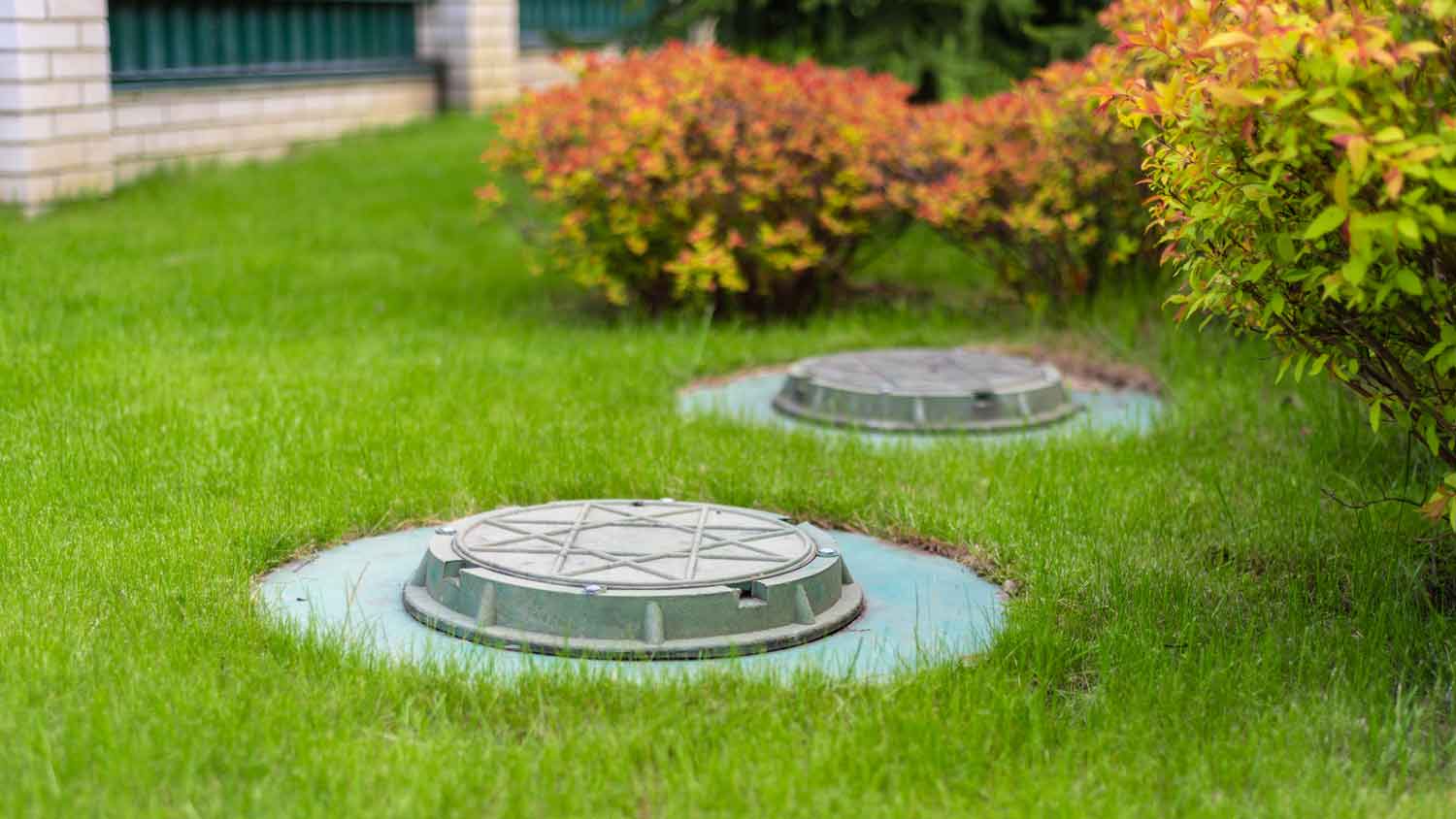
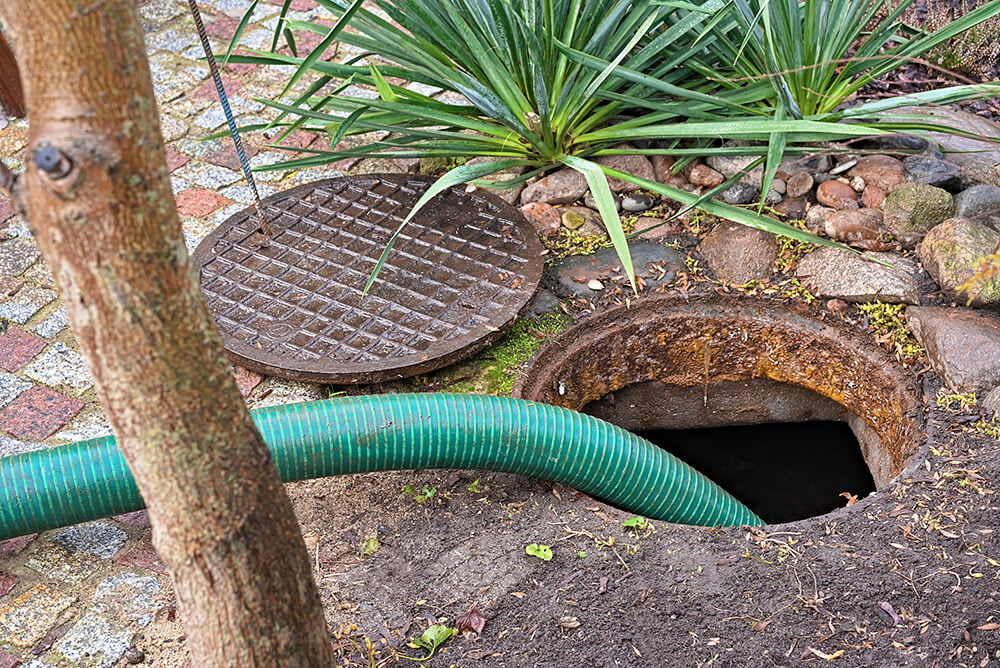
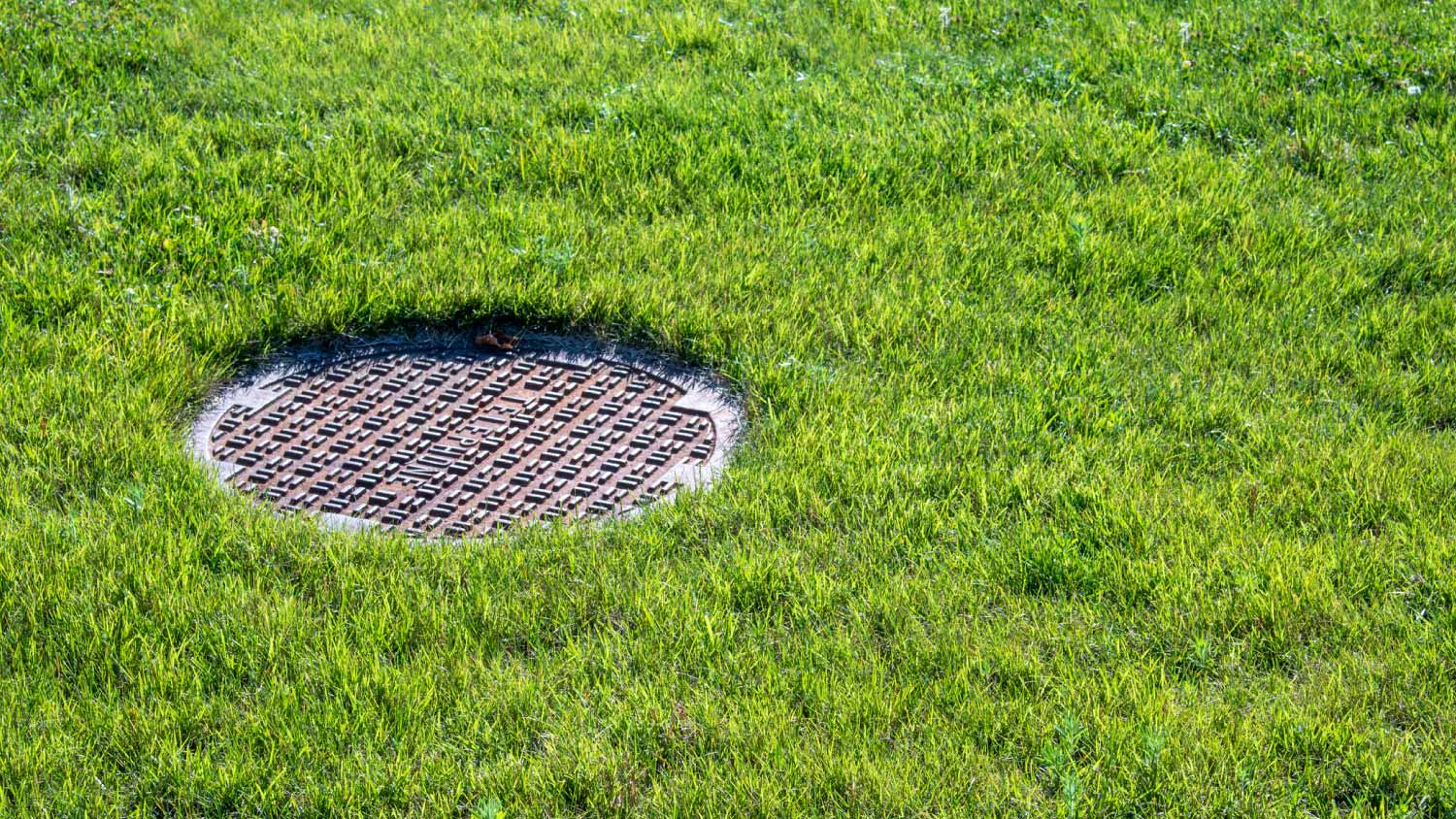
You can check your own septic tank, but take precautions. Locate the access lid, usually buried a few inches underground, and remove it carefully. Look for the sludge and scum levels, and if they’re high, that means pumping may be necessary. Check for odors, slow drains, or pooling water around the drain field, which could indicate issues. Never enter the tank, as toxic gases can be fatal. All of that being said, a professional inspection is safer and more thorough.
Consider site conditions, soil type, required capacity, and system designs compatible with environmental protection regulations.
Many variables, such as home size, type of engineered system, the material used, soil conditions, and water usage, dictate how long your system will last. On average, most homeowners find that their system lasts 15 to 20 years, though it’s not unheard of for them to last up to 40 years with annual and preventative septic maintenance.
You should pump your septic tank once every two to four years for a family of four, depending on your septic tank size. You should pump a 1,000-gallon septic tank every two years, while a 1,500-gallon tank should be pumped every four years. Water usage also affects how often you should pump your septic tank. If you notice slow drains, foul smells, or gurgling sounds from your drains, you should pump your septic tank as soon as possible.
The Townsend, WI homeowners’ guide to septic tank services
From average costs to expert advice, get all the answers you need to get your job done.
Caring for your septic system is crucial to ensuring its long life. But how much does it cost to pump a septic tank? We explore the different cost factors.
A damaged septic system can leak odors and sewage, so repairs are urgent. Find out how much septic tank repair costs based on repair type, tank size, and more.
Septic tank risers make it easy to access your septic tank when it’s time for routine inspection, maintenance, and pumping, saving you precious time and labor costs.
Septic tank sizes vary depending on the size of your home, how many people live there, how much water you use, and more. Read on to learn how to determine the right size for you.