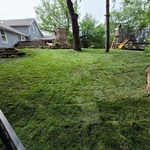
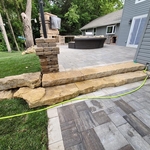
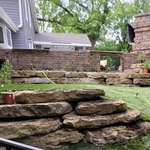
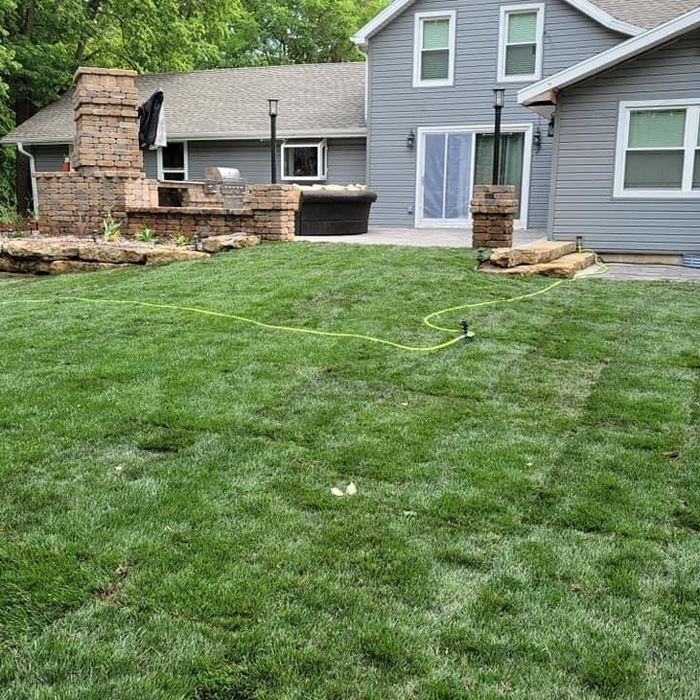
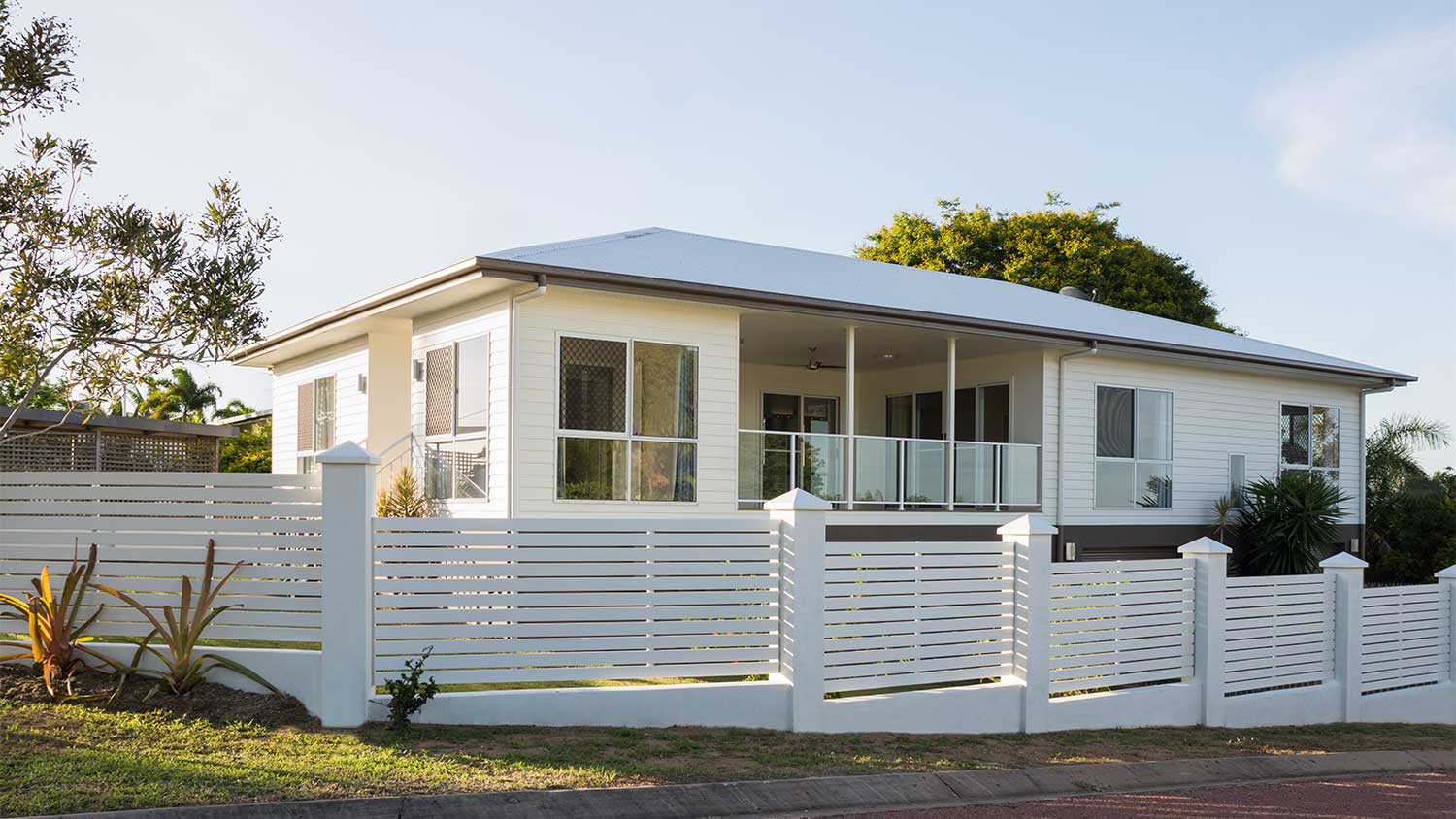
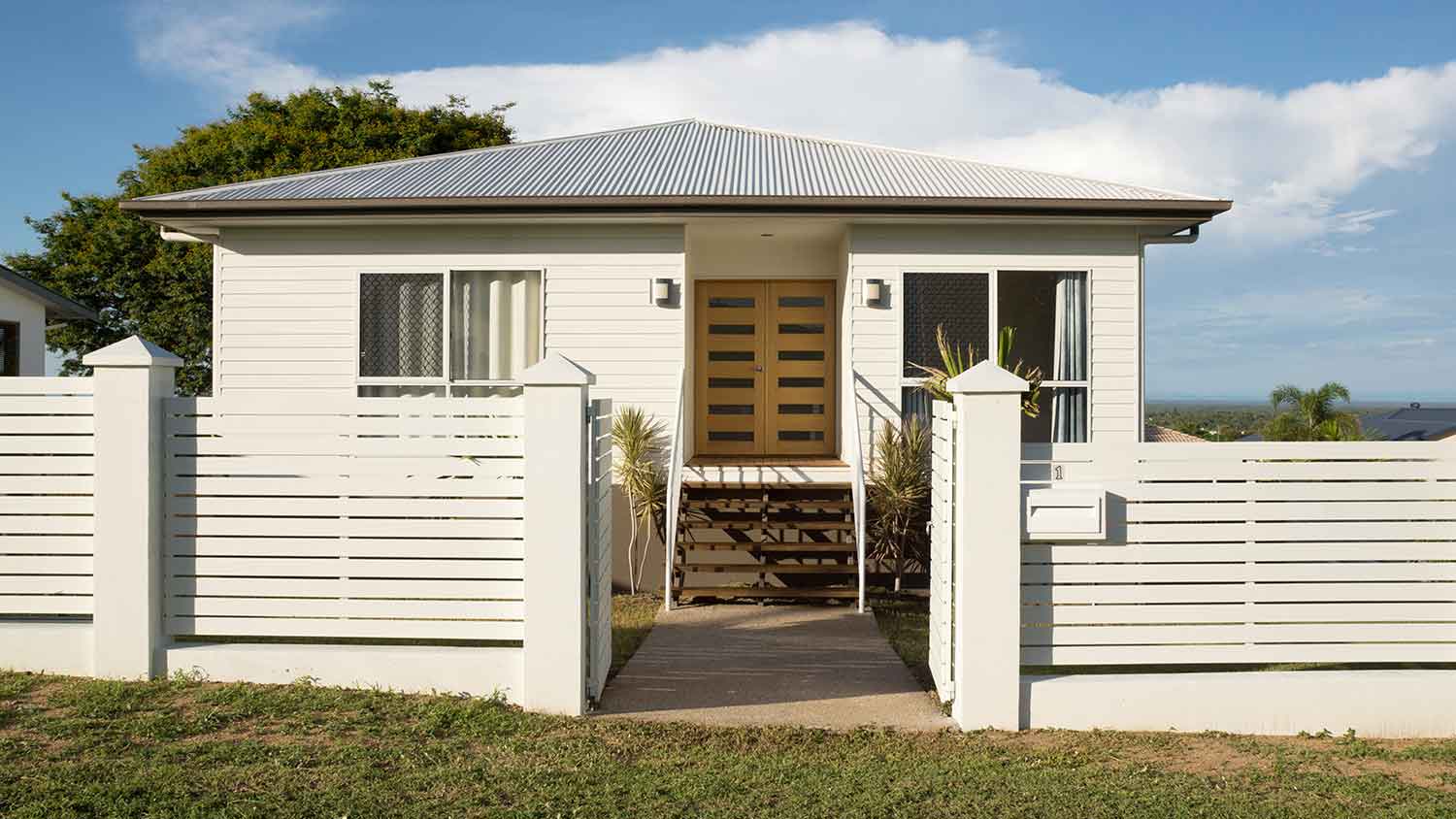
"We recently had a fence installed, and I couldn't be happier with the results! From start to finish, the team was professional, friendly, and easy to work with. They showed up when they said they would, paid attention to every detail, and the quality of their work exceeded my expectations. The fence looks amazing and our two dogs love being able to roam free. I highly recommend them to anyone looking for quality workmanship and excellent customer service. Thank you for doing such a fantastic job!"
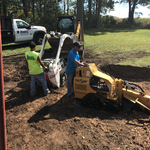
"Snow removal is always tough but the crew does a great job getting around cars and obstacles. They can also get heavy machinery in when necessary to remove excess snow. As for the landscaping they have brought down many a tree for me in difficult areas without issue. They are very detail oriented and will leave the site better than when they started."
True-Build is committed to excellence in every aspect of our business. We uphold a standard of integrity bound by fairness, honesty, and personal responsibility. Our distinction is the quality of service we bring to our customers. Accurate knowledge of our trade combined with ability is what makes us true professionals. Above all, we are watchful of our customers' interests and make their concerns the basis of our business.
You can only change your neighbor's fence with their permission. A neighbor's fence is their property, and altering it without their consent could constitute trespassing or property damage, which may have legal consequences. If you have concerns or disagreements about your neighbor's fence, communicate with them openly and try to reach a mutually agreeable solution. If you believe the fence violates local zoning laws or property regulations, consult with local authorities or seek legal advice to address the issue through proper channels.
A fence post set in concrete lasts anywhere from five to over 25 years, depending on how well the concrete was applied and the fence post’s material. Untreated wood posts in concrete could last less than 10 years, but a durable, treated wood set in properly applied concrete could last a few decades. However, all fence posts will wear out eventually, so expect to need to replace your fence post every five to 15 years.
This depends mainly on how well the posts were installed and what type of wood was used to build the gate in the first place. Softwoods have a life expectancy of up to 15 years but can last slightly longer with regular maintenance and waterproofing treatments. By contrast, hardwoods can last up to 30 years with little care, so you may avoid costly replacements by spending a little more upfront.
The ideal spacing for four-by-four residential fence posts is usually about 6 to 8 feet between posts. However, if the fence is particularly high or you live in a very windy region, you might want to space them closer together for better stability. A fence pro can help you decide on your post spacing.
The most durable metal for a fence is wrought iron. With proper care, a wrought iron fence can last for centuries. This means regular resealing to stave off rust and corrosion, especially in coastal climates with salty sea air. In these environments, chain link and corrugated fencing tend to stand up better to the elements with fewer maintenance needs.
The Stoughton, WI homeowners’ guide to fencing services
From average costs to expert advice, get all the answers you need to get your job done.
Chain-link fences are among the most affordable options available. Use this chain link fence cost guide to see what your fence installation will total.
Fence repair costs depend on the extent of damage, your fence's material, and how much of the fence you need to fix. Explore all the price factors in this guide.