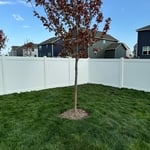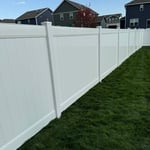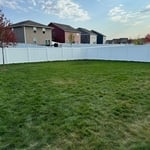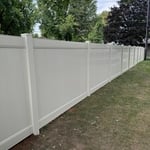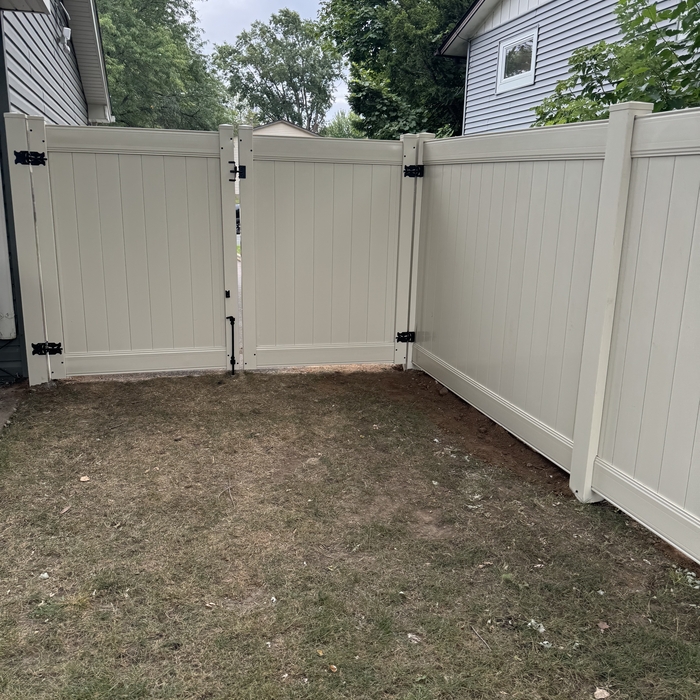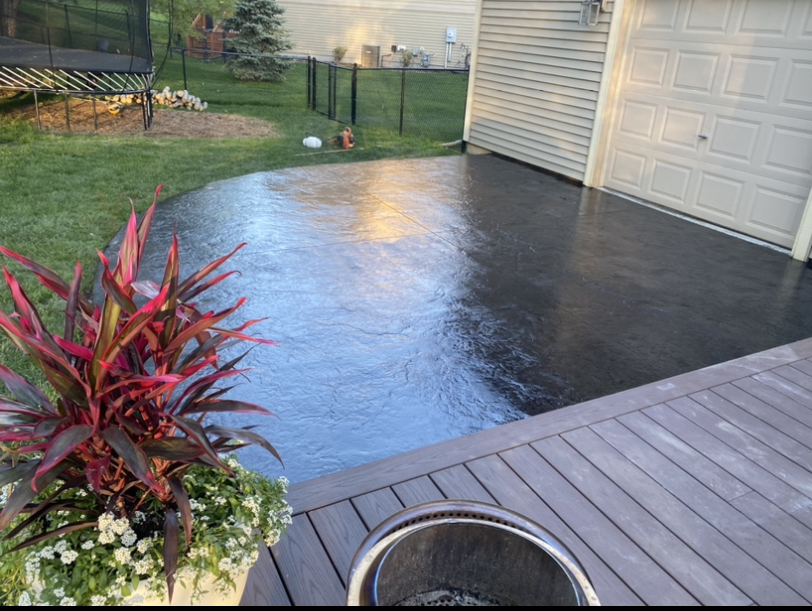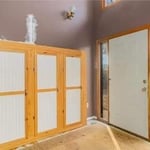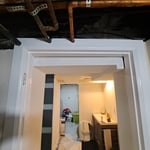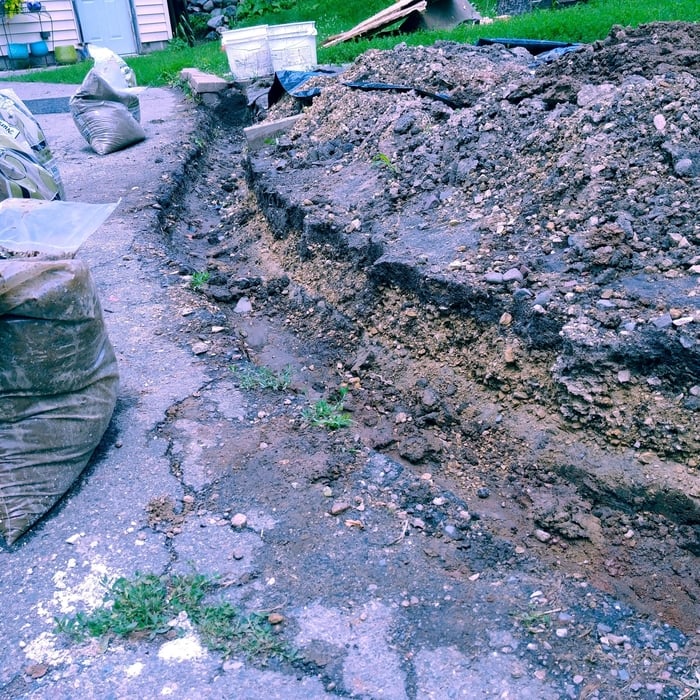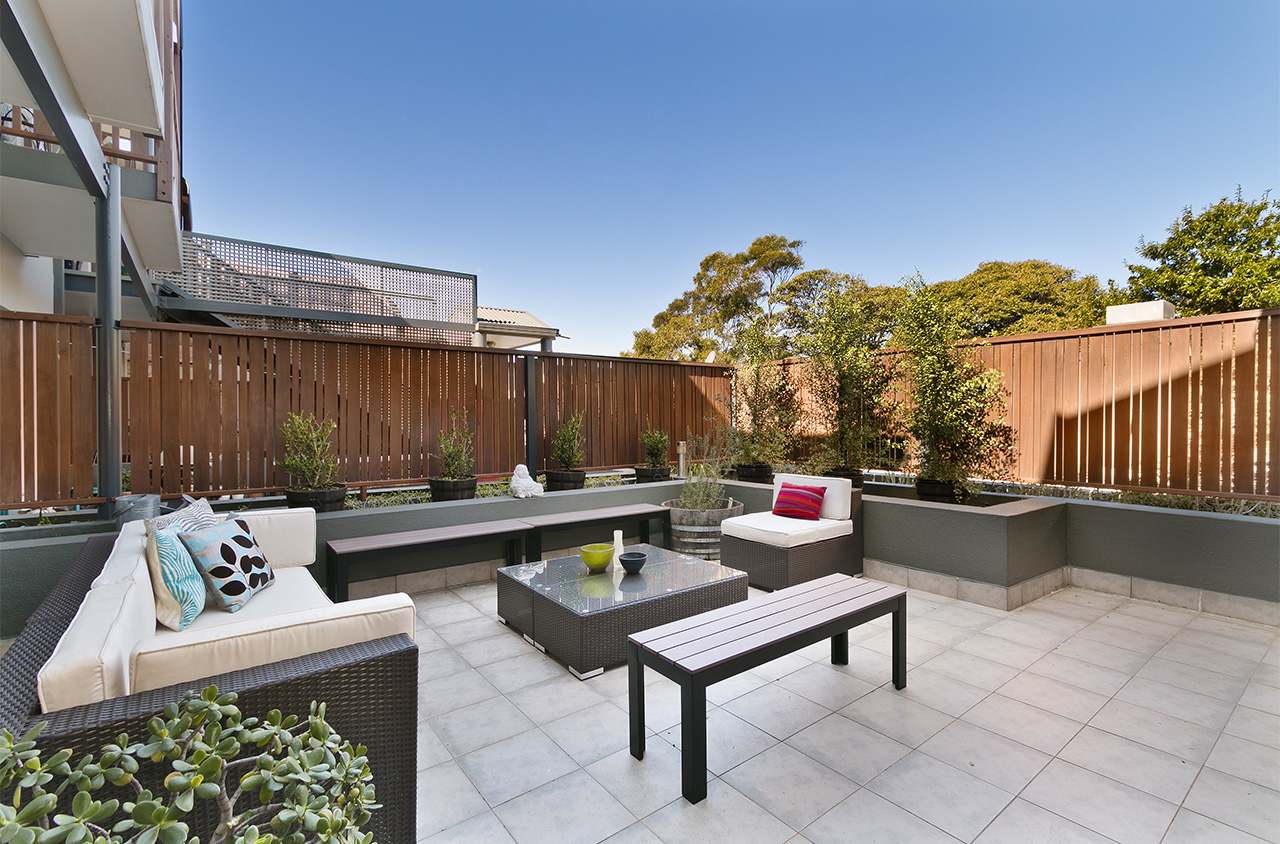

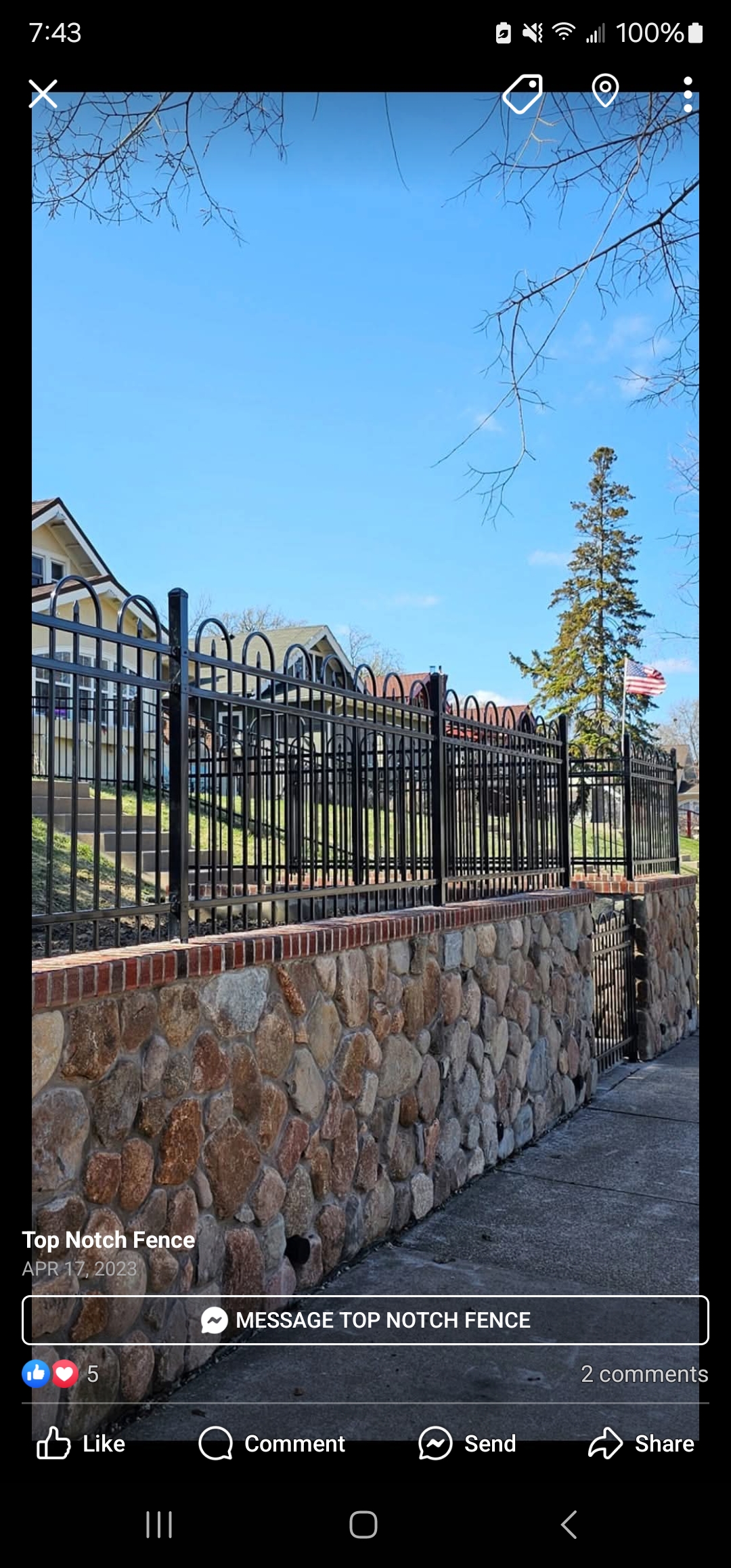


"Zach and Jason did a great job with a somewhat unusual project of building a Catio (i.e. Cat Patio). It included replacing an old retaining wall and also framing and building the Catio. We appreciated their can-do attitude."
"Max and the team at Ridgeline Fence and Deck were incredibly efficient and put up a beautiful cedar fence around my home. From the customer service to the craftsmanship and attention to detail, everything turned out spectacular. Highly recommend this company to anyone looking for a fence in the twin cities / greater metro area!"
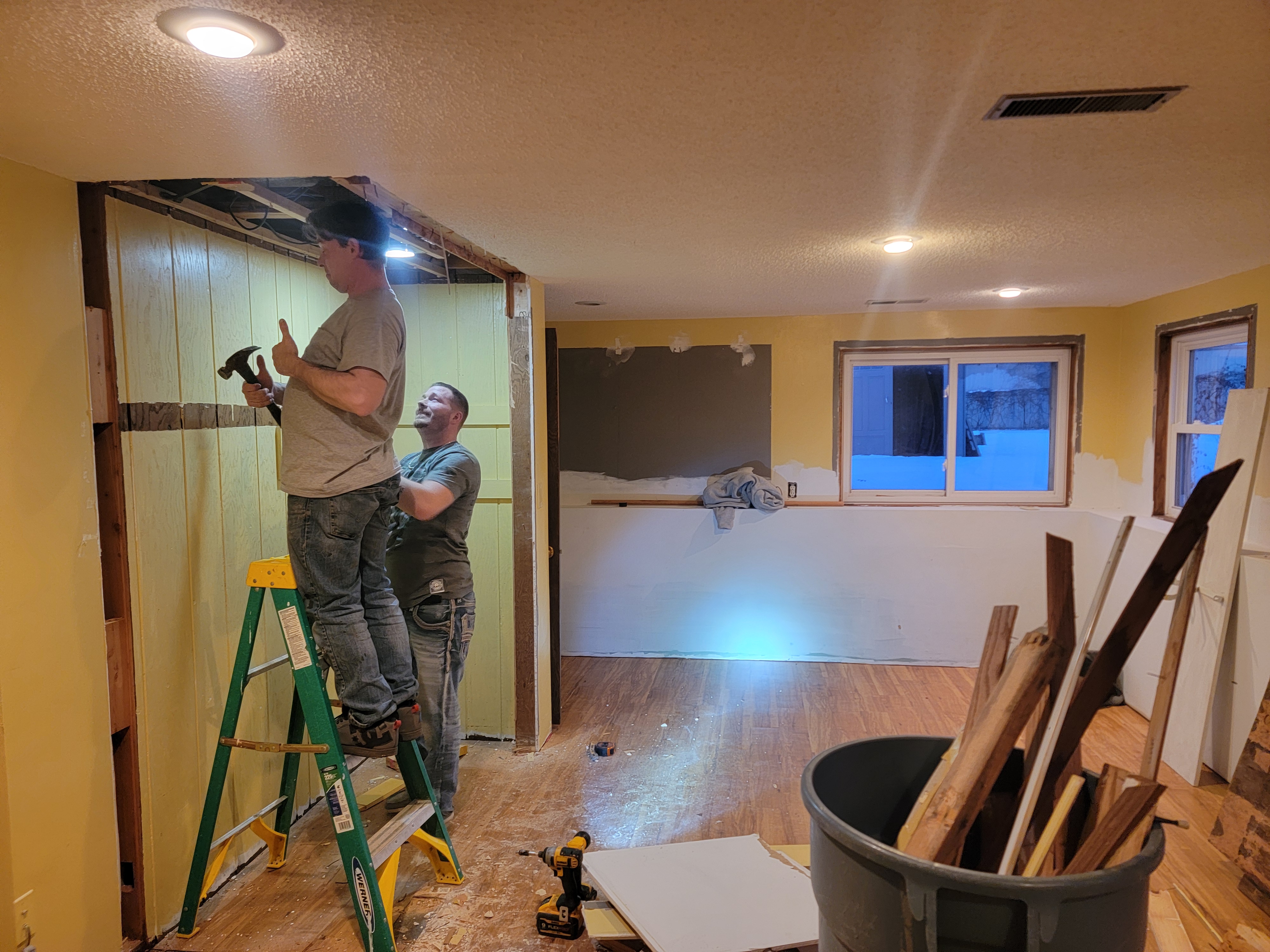
"The guys came out and built a closet in a new addition for me. The work was done quickly, the finished product was nicer then expected, and the price was within range of what I expected. I will be hiring these guys again to build my deck this summer."
In most cases, you will need a building permit to put up a vinyl fence, especially if the fence is sitting on or close to your property line. You can ask your local building department or fence installation company if your fence project will require a permit. If so, you can expect it to cost between $20 and $60. Your fence installer should pull the permit for you. Building without a permit could eventually require you to pay again to remove the fence and reinstall it after getting the job approved.
Pickets should sit at least 2 inches off the ground to encourage groundwater to flow underneath. Pickets can sit as much as 6 inches off the ground, but setting it any higher could let pets in or out of your yard unintentionally. These are not to be confused with the fence posts anchored underground with soil or concrete footing.
Most people prefer to keep the fence level by “stepping” the fence when running a horizontal fence over a slope. Stepping involves raising each panel between the posts as the fence moves over changes in slope, giving the fence line the appearance of stair steps. While this may be the preferred method of running a horizontal fence up a slope, there’s nothing wrong with installing your fence so it follows the undulations in the ground instead.
The standard height for a split rail fence is three or four feet. This height requires two to three horizontal rails, making it ideal for homeowners wanting a budget-friendly split rail fence. If you’re hoping to contain agile livestock or animals like dogs, geese, or goats, you may prefer to install a six-foot tall fence with four or five rails or a four-foot-tall fence with three horizontal rails. This will help prevent animals from climbing, crawling, or jumping through the rails.
The lifespan of a fence can range from 5 to 50 years, depending heavily on the material, local climate, and how well it is maintained. For example, a wooden fence might last 7 to 15 years, while a vinyl fence typically lasts 20 to 30 years. Metal, composite, and glass fences have some of the longest lifespans. Proper maintenance, such as regular cleaning, inspections, and staining or sealing for wood, is key to extending the life of any fence material. Vinyl and composite are durable options that don't require sealing.
The Somerset, WI homeowners’ guide to fencing services
From average costs to expert advice, get all the answers you need to get your job done.
The cost to build a wood fence in Minneapolis, MN depends on the size, material, add-ons, and more. Read this guide to learn how each cost factor impacts the price of a wood fence.
Is your front yard looking incomplete and in need of a finishing touch? Browse through these fence ideas for a picturesque and private enclosure for your yard.