




Top-rated deck maintenance specialists.

Get matched with top deck maintenance specialists in Luck, WI

Enter your zip and get matched with up to 5 pros

Need a pro for your deck maintenance project in Luck, WI?

Select your specific project to find the pro for you.

Find Deck maintenance specialists in Luck

Avatar for Matthew Moss Painting
Matthew Moss Painting
3.7(
3
)

Serving Luck, WI and surrounding areas

In business since 1990

Emergency services offered

Credit card accepted

"Well it took some time for them to get out there because we had lots of rain that week, but when they showed up, they were great, I cant believe they even took the time to do a little shed for me that was not even in the quote, and did not charge me for it, they said they felt bad because the rain kept delaying them but that was not there fault, wow what a professional company, you don't see guys like Mr. Moss anymore you could tell his work is very important to him....."
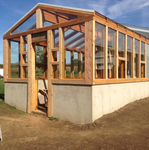
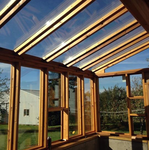
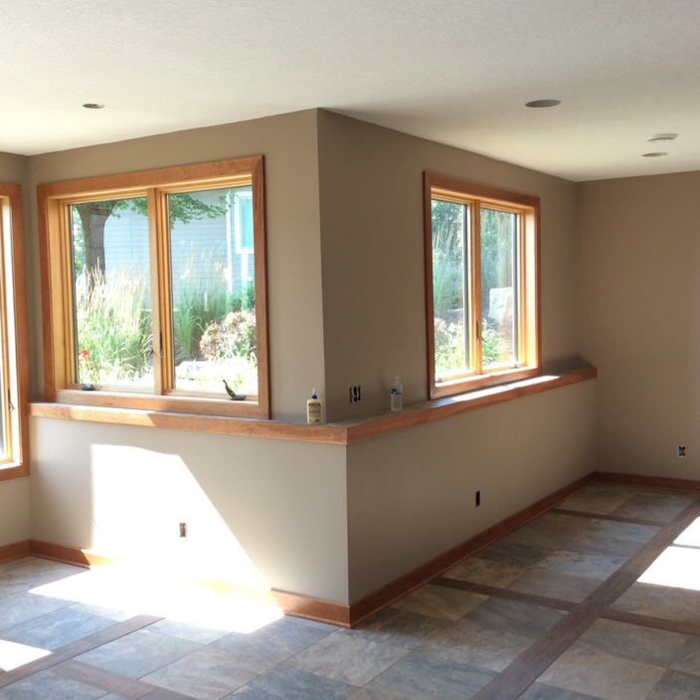
Additional Photos
Additional Photos
Before
After
Before

+24

Recommended by66%of homeowners
Showing 1-10 of 35
Deck Maintenance questions, answered by experts

The best base materials for a ground-level or floating deck are typically gravel and crushed stone (also known as landscaping rocks). These options are inexpensive, provide excellent drainage, prevent weeds, and help minimize moisture buildup, which reduces shifting and rotting. For added stability and to evenly distribute the weight, you can use concrete deck blocks or pavers. While more expensive, concrete blocks and pavers offer a sturdier base than gravel or crushed stone alone.

The least expensive way to build a pool deck is with concrete deck blocks, pressure-treated lumber, and the appropriate hardware for hanging joists and securing deck boards. With these basic yet durable deck materials, you'll have a pool deck that's built to last without the high price tag. You should also stain or seal the deck to protect it against the elements.

The proper height for a stair riser or deck step is between four and seven inches, with seven inches often considered the most comfortable. Building your stairs to this height ensures a strain-free step position and minimizes the risk of trip and fall injuries. For optimal safety and comfort, especially on deck stairs, a rise of around seven inches should be paired with a tread depth (or run) of at least 10 to 12 inches. While it is possible to design stairs with risers up to 12 inches, this height can be challenging for children, pets, or individuals with mobility issues. Always check with your local building codes, as they may mandate specific dimensions that differ from these general recommendations.

If you have wood decking, there are several common deck problems that you might encounter. For example, your natural wood boards may fade over time due to things like sunlight, weather, and debris. On top of that, some types of wood decking can rot, grow mold, and attract destructive pests—including termites, carpenter ants, and woodpeckers.

The overhang, or nosing, of deck steps is another area that will be covered in building code requirements. The noses on your deck steps should have a minimum overhang of ¾ inch. For safety, usability, and code compliance, the nosing of deck steps should not extend past 1¼ inches.

The Luck, WI homeowners’ guide to deck maintenance services

From average costs to expert advice, get all the answers you need to get your job done.