



Top-rated energy efficiency auditors.

Get matched with top energy efficiency auditors in Plover, WI

Enter your zip and get matched with up to 5 pros

Need a pro for your energy efficiency auditing project in Plover, WI?

Select your specific project to find the pro for you.

Find Energy efficiency auditors in Plover

Avatar for Home Energy Solutions
Home Energy Solutions
4.7(
14
)
Home Energy Audit

Serving Plover, WI and surrounding areas

In business since 1992

Credit card accepted

"John was excellent to work with. Very thorough in his pre energy inspection as well with post inspection. Without John s work the insulation crew would have had a difficult time finding the problem areas. Highly recommend for ANY insulation work."
Response time9 hrs
Response rate91%
Recommended by90%of homeowners

Energy Efficiency Auditing questions, answered by experts

STC (Sound Transmission Class) is a rating that describes how well a building material or assembly blocks airborne sound. A higher STC rating means less noise will pass through the material, providing better sound reduction. This rating system applies to various building components, including windows, doors, flooring, drywall, and insulation.

For context, a typical single-pane window has an STC rating of around 25 (where normal conversations are audible), while a well-sealed, double-pane window can exceed STC 45 (blocking loud speech and most music). It is important to note that for some products, like soundproofing drywall, the STC rating refers to the entire wall system, not just the individual panel.

Additionally, STC ratings are most effective for measuring sound reduction at mid-to-high frequencies, such as human speech, and may not accurately reflect how well a material blocks low-frequency sounds like bass music or thunder. Because of these factors, it is recommended to consult a professional to determine the right STC-rated materials for your specific soundproofing needs.

To determine the right size generator for your house, you should calculate the total wattage of the appliances and devices you want to power during an outage. List all essential items, note their start-up wattages, and add them together.

Here are some typical wattage requirements for common appliances:

  • Refrigerator: 600 watts

  • Large dehumidifier: 700 watts

  • Large window air conditioner: 1,400 watts

  • Water heater: 3,000 to 4,500 watts

  • Electric furnace: 5,000 to 25,000 watts

A 7,500-watt generator might be sufficient for essentials like a refrigerator, freezer, well pump, and lighting circuits. However, for high-demand items like a water heater or furnace, a whole-home generator is a better choice. A portable generator may be enough if you only need to power a few critical items.

While home square footage can offer a rough estimate, it is not always a reliable indicator. For reference, here are some typical generator sizes based on square footage:

  • 1,000 sq ft: 6–9 kW

  • 1,500 sq ft: 7–10 kW

  • 2,000 sq ft: 10–14 kW

  • 2,500 sq ft: 12–16 kW

  • 3,000 sq ft: 16–20 kW+

For the most accurate sizing, consult a professional who can calculate your home's peak and average power consumption and recommend the optimal generator.

Yes, Tesla Powerwalls are worth the upfront costs, as you can recoup your investment within six to eight years. Plus, they provide peace of mind that you'll have power during a power outage, and, depending on the system you install, you can become energy-independent. While they may be more expensive than other solar power systems, they offer higher battery capacity and lifespan.

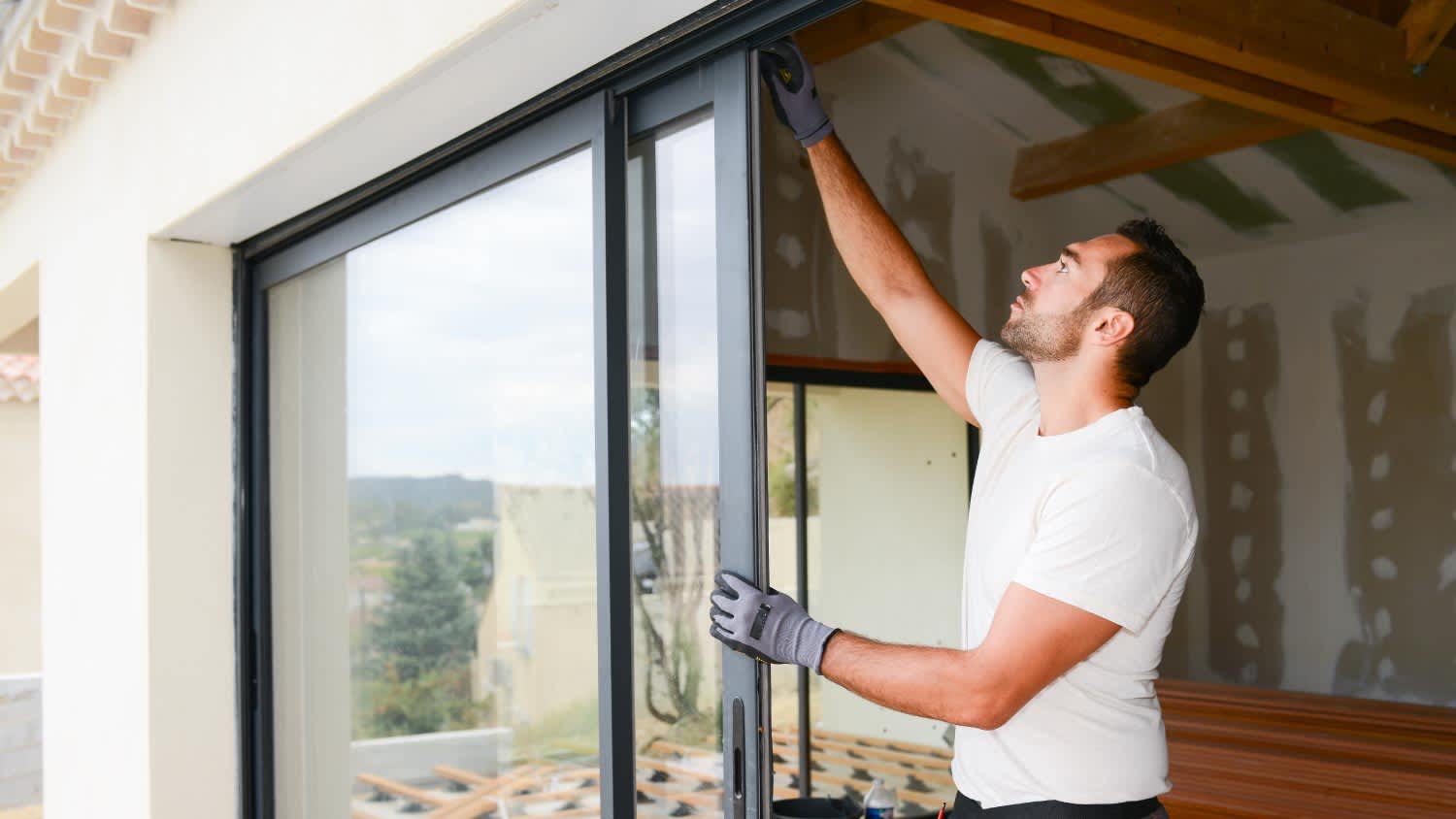
Energy-efficient windows cost more than other window types, but they can help you save on your monthly energy bills, get you some breaks on your taxes, and even increase the value of your home. According to Michael S. Regan, Administrator of the U.S. Environmental Protection Agency, when people invest in green upgrades like energy-efficient windows, they save energy, money, and more.

Typically, triple-pane windows made with krypton gas filling are the most energy efficient. A window’s frame, glass, design, and installation all affect its energy efficiency. These windows, in particular, are designed highly effectively in terms of their ability to insulate.

The Plover, WI homeowners’ guide to energy efficiency auditing services

From average costs to expert advice, get all the answers you need to get your job done.