


Top-rated window tinters.

Get matched with top window tinters in Phelps, WI

Enter your zip and get matched with up to 5 pros

Need a pro for your window tinting project in Phelps, WI?

Select your specific project to find the pro for you.

Find Window tinters in Phelps

Avatar for Frontpoint
Frontpoint
4.7(
8,819
)

Serving Phelps, WI and surrounding areas

In business since 2007

Free estimates

Emergency services offered

"Sales process was good, courteous and helpful. Installation instructions were easy to follow. Did have a small issue with one sensor which was easily solved with a call. Control panel is easy to use and well constructed. Phone app is the best part. Not a big fan of a 2 year contract and the monthly rate feels a little high, but definitely a decent system. I had emailed them a question pertaining installing on double hung windows and never received a reply, but other than that their phone support prior to that was good."
Recommended by93%of homeowners
Window Tinting questions, answered by experts

Replacing a window frame will improve your home’s energy efficiency if the old frame is cracked or damaged in a way that allows unconditioned air from the outside into your living space or if you upgrade to a more energy-efficient window frame material. Aluminum is the least energy-efficient window frame material, followed by vinyl and wood. Fiberglass and composite frames are the most energy-efficient.

Some frosted glass sprays can handle the outdoors, but most of them aren't built for it. Sprays made for exterior use will say so clearly on the label. Anything marked “interior use only” can't hold up against rain, UV exposure, or changing temperatures without peeling, fading, or yellowing. Outdoor-rated sprays are typically more durable, but even then, proper prep and application matter. Before spraying anything outside, double-check the product instructions. If it doesn’t specifically mention exterior use, skip it. 

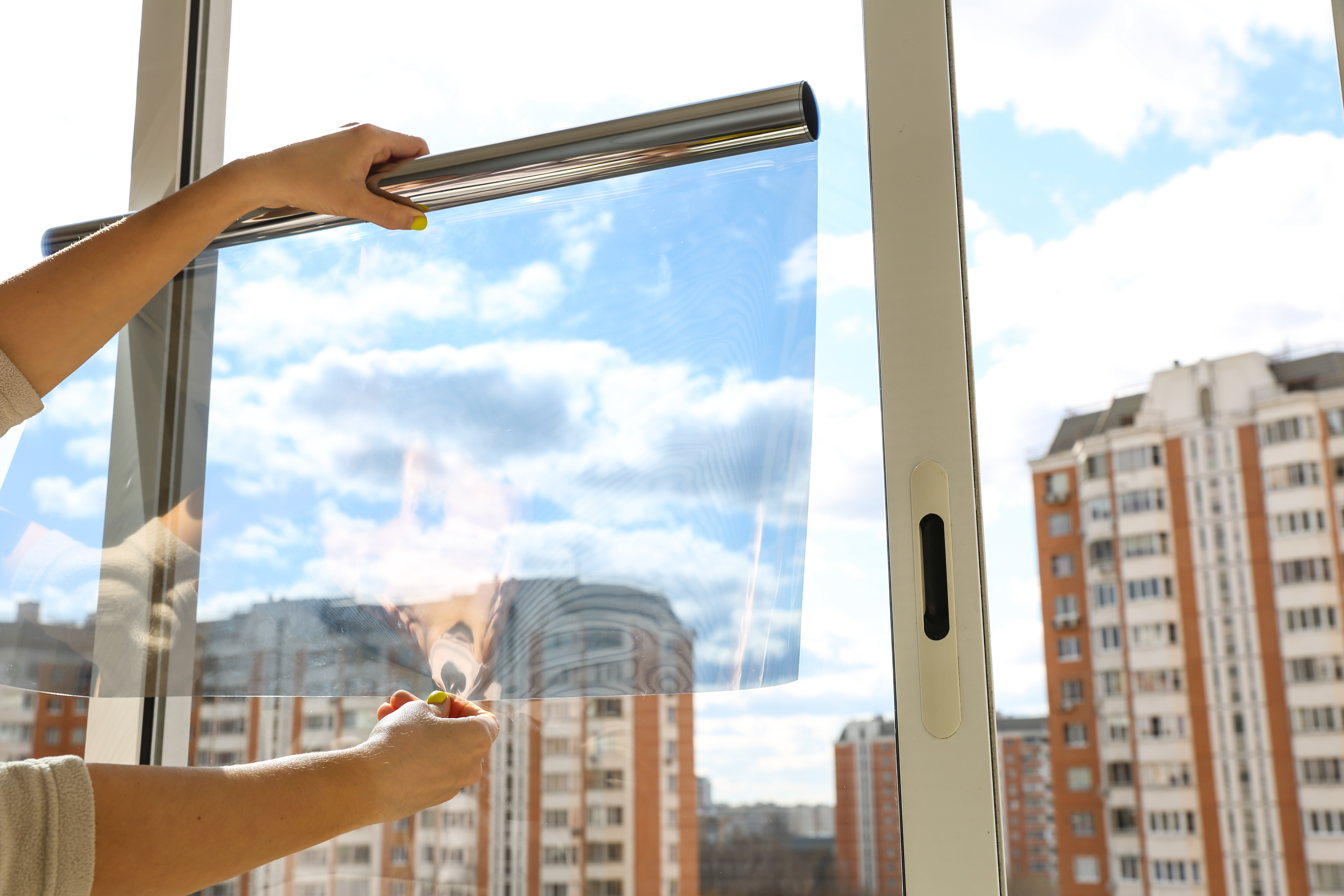
If your window film doesn’t come with an installation kit and its own application solution, you can make your own—but don’t use soap! Instead, use 1 teaspoon of baby shampoo mixed with a gallon of bottled water. Make sure the bucket in which you mix this solution is completely clean.

The most popular tint percentage for home windows is 35%. Generally, most homeowners choose a visible light transmission (VLT) between 50% and 35%, where lower numbers mean less sunlight enters the home. A 35% tint blocks over half the incoming light while still allowing plenty of natural light, which can improve energy efficiency and comfort. If privacy is a primary concern, you can opt for a tint of 50% or lower to make it more difficult for people to see inside. However, keep in mind that very dark, thick tints may offer fewer energy-efficiency benefits.

Unlike cars, there are no laws regulating window tint percentages on homes, so you can choose what you think is best. It is often a good idea to hire a professional, as they can show you samples of how different tint levels will look in your specific property, helping you make the right choice.

DIY is possible, but professional application ensures even adhesion, bubble-free results, and longer-lasting performance.

The Phelps, WI homeowners’ guide to window tinting services

From average costs to expert advice, get all the answers you need to get your job done.