
Top-rated drywall pros.

Get matched with top drywall pros in Peshtigo, WI

Enter your zip and get matched with up to 5 pros

Need a pro for your drywall service project in Peshtigo, WI?

Select your specific project to find the pro for you.

Find Drywall pros in Peshtigo

Chase Daus
New to Angi
Drywall - Repair

Serving Peshtigo, WI and surrounding areas

Approved

Small jobs welcome

Offers commercial services

I am newer to residential construction and remodeling and am currently looking for general labor and small home-improvement jobs in Northeast Wisconsin. I have hands-on experience with drywall, demolition, plastering, concrete work, siding, trim, window and door installation, and general construction assistance. I'm comfortable taking on smaller projects within my experience level and am always willing to learn. I have many of my own tools and carry commercial insurance. I'm dependable, willing to work hard, and happy to discuss your project to determine whether I'm a good fit.

Small stair deck framing
1 neighbors recently requested a quote
Avatar for Custom Craft Environmental
Custom Craft Environmental
4.6(
117
)
Drywall - InstallDrywall - Install - For BusinessDrywall - Repair+1 more

Serving Peshtigo, WI and surrounding areas

In business since 1991

Emergency services offered

Credit card accepted

"They seemed to do a good job. They were good at cleaning up after themselves. They spent time explaining what they were doing and why they were doing it. They were able to come at a timely manner when we requested the work to be done. They were attentive to details."
Additional Photos
Additional Photos
Additional Photos
Before
After

+1

Recommended by94%of homeowners
Showing 1-10 of 50
Drywall questions, answered by experts

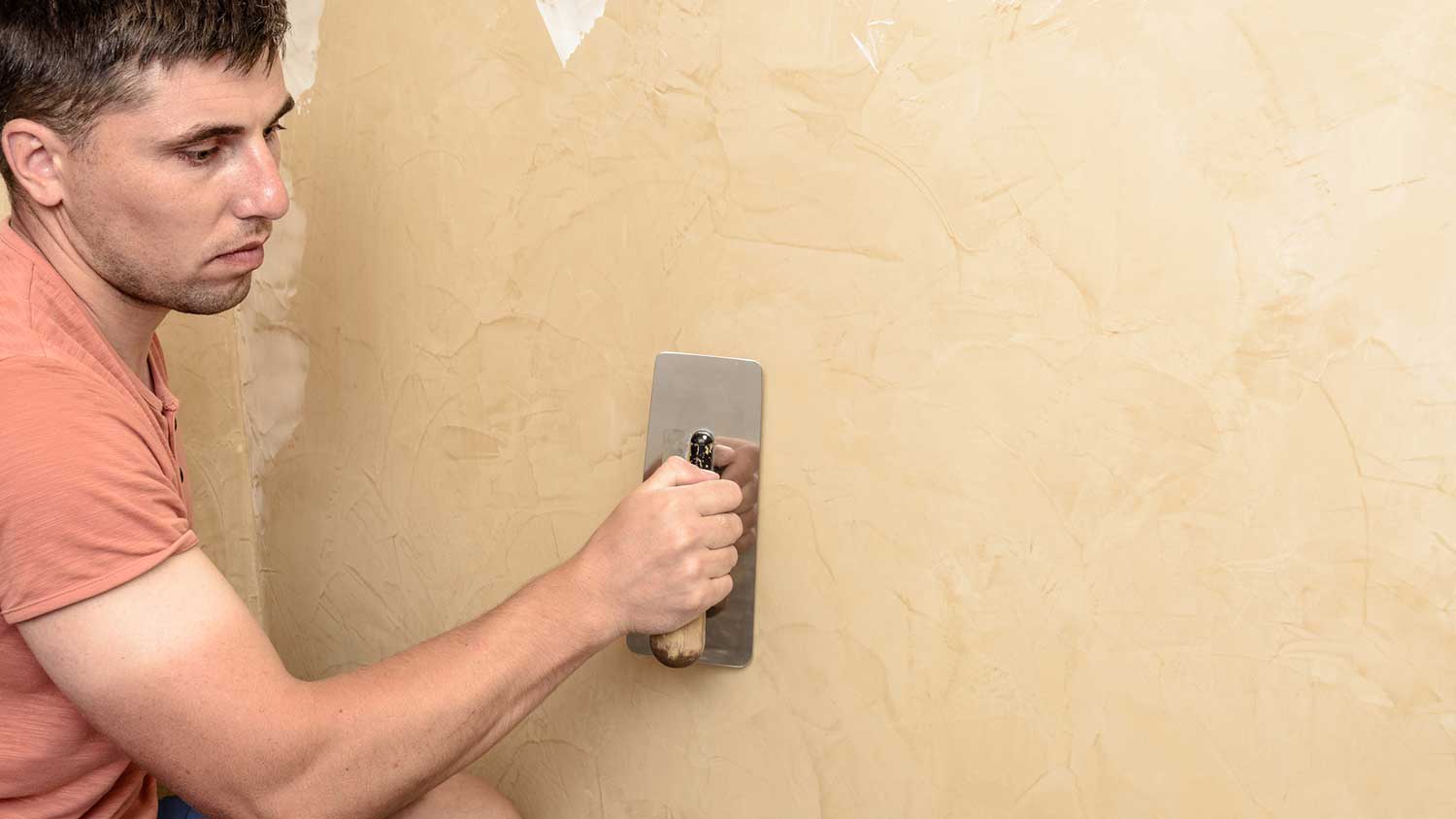
If you’re installing new drywall, you may need to skim coat the drywall first for a smooth finish and to allow the primer to adhere to the wall. It’s only necessary if there are imperfections in your drywall due to issues with the studs or improper drywall installation. If you’re refreshing existing walls, you may want to skim coat if there are imperfections across the wall. As an alternative, you can repair your drywall and sand it for a smooth finish before painting.

Whether a drywall anchor can be reused depends on its material, type, and the method of removal. Plastic anchors, including expansion and self-drilling types, are generally designed for single use as they tend to break or deform upon removal. Metal anchors, such as toggle bolts, are more durable and may be reusable if they are not damaged during extraction. However, with toggle bolts, the toggle piece can fall into the wall cavity when the bolt is removed, making it difficult to retrieve. If an anchor is damaged during removal, for instance by having its head cut off, it cannot be reused regardless of the material.

Although they have similar applications, spackle and joint compound are not the same. Their primary differences lie in their composition, consistency, and ideal use cases.

Spackle is composed of gypsum and binding agents, making it thicker than joint compound. It dries quickly and is easy to sand, which makes it ideal for small wall repair projects like filling nail holes or patching minor damage.

Joint compound, also known as drywall mud, consists of limestone and gypsum. It is primarily used for large-scale projects, such as taping and finishing the seams on newly installed drywall. It tends to shrink more than spackle and can be more difficult to spread.

While both products can be used to fill small depressions and cracks, spackle cannot replace joint compound for taping and mudding new drywall. Conversely, you can often use joint compound for small patching jobs typically done with spackle.

The two most common drywall thicknesses for ceilings are 1/2-inch and 5/8-inch. For most standard residential applications, 1/2-inch drywall is sufficient and widely used. It provides adequate support and is lighter and easier to handle during installation compared to thicker sheets. However, 5/8-inch drywall is often used for specific cases where additional benefits are needed. It is heavier but provides superior sound dampening and fire resistance. You should consider using 5/8-inch drywall for ceilings in commercial buildings, between a garage and a living space, or above a finished basement to meet building codes or for enhanced soundproofing.

Glass walls are more expensive overall than their brick or drywall counterparts. However, if you need walls for a building with more than two or three stories, glass walls are the more budget-friendly option.

The Peshtigo, WI homeowners’ guide to drywall services

From average costs to expert advice, get all the answers you need to get your job done.