





Top-rated drywall pros.

Get matched with top drywall pros in Forestville, WI

Enter your zip and get matched with up to 5 pros

Need a pro for your drywall service project in Forestville, WI?

Select your specific project to find the pro for you.

Find Drywall pros in Forestville

Avatar for Precision Pro LLC
Precision Pro LLC
5.0(
6
)
Drywall - Repair

Serving Forestville, WI and surrounding areas

Approved

In business since 2020

Free estimates

Offers commercial services

"Preston and his team did a great job replacing our our flooring (including stairs) baseboards, rebuilding missing trim to match our early 1900's house. They even finished additional square footage and made it feel like it was always there. Great team to work with and highly recommended. Fair pricing and easy communication."
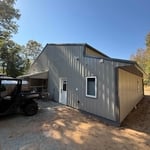
Metal siding
Metal siding
Response time8 hrs
Response rate100%
5 neighbors recently requested a quote
Avatar for Custom Craft Environmental
Custom Craft Environmental
4.6(
117
)
Drywall - InstallDrywall - Install - For BusinessDrywall - Repair+1 more

Serving Forestville, WI and surrounding areas

In business since 1991

Emergency services offered

Credit card accepted

"They seemed to do a good job. They were good at cleaning up after themselves. They spent time explaining what they were doing and why they were doing it. They were able to come at a timely manner when we requested the work to be done. They were attentive to details."
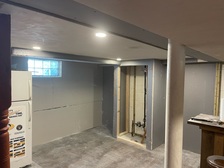
Additional Photos
Additional Photos
Additional Photos
Before
After

+1

Recommended by94%of homeowners
...
Showing 1-10 of 56
Drywall questions, answered by experts

You can plaster over regular drywall, but it's essential to prepare the surface properly. Before plastering, the drywall should be clean, free of dust, and any loose or peeling paint should be removed. Applying a primer specifically designed for plastering can improve adhesion. Some professionals recommend applying a base coat of plaster or joint compound to create a better surface for the plaster to adhere to. Proper preparation ensures a smooth and durable plaster finish over regular drywall.

When doing a DIY paint job, it can be tricky to achieve the perfect, straight line between your wall and ceiling. There are several methods, including lining it with painter’s tape and using the “cut in” brush tactic. Some homeowners choose to apply a thin line of caulk to the wall-ceiling seam to create the appearance of a perfect line.

A common cause of separation between a wall and the ceiling is truss lift—this can happen to the ceiling of rooms directly under the attic when the seasons change and wood building materials dry out, shrink, and shift. Roof trusses often dry out at different speeds, and if the bottom pieces dry out faster than the top pieces, they can shrink and pull the attached drywall away from ceilings and walls, causing cracks. Fortunately, truss lift is only a cosmetic problem, not a structural problem, and you can fix it by separating the ceiling drywall from the roof trusses, and patching the cracks.

A utility knife is sharp enough to score the drywall and it may work in a pinch for outlet box holes. However, one of the best tools for drywall when you need to make exact cuts for an outlet box quickly is a drywall saw. This handheld tool has a longer blade than a utility knife, so it penetrates the thickness of the drywall easily. The design of its handle and the teeth in its blade make it easier to control while cutting quicker than you can with a utility knife.

Although they have similar applications, spackle and joint compound are not the same. Their primary differences lie in their composition, consistency, and ideal use cases.

Spackle is composed of gypsum and binding agents, making it thicker than joint compound. It dries quickly and is easy to sand, which makes it ideal for small wall repair projects like filling nail holes or patching minor damage.

Joint compound, also known as drywall mud, consists of limestone and gypsum. It is primarily used for large-scale projects, such as taping and finishing the seams on newly installed drywall. It tends to shrink more than spackle and can be more difficult to spread.

While both products can be used to fill small depressions and cracks, spackle cannot replace joint compound for taping and mudding new drywall. Conversely, you can often use joint compound for small patching jobs typically done with spackle.

The Forestville, WI homeowners’ guide to drywall services

From average costs to expert advice, get all the answers you need to get your job done.