


Top-rated drywall pros.

Get matched with top drywall pros in Marinette, WI

Enter your zip and get matched with up to 5 pros

Need a pro for your drywall service project in Marinette, WI?

Select your specific project to find the pro for you.

Find Drywall pros in Marinette

Avatar for Custom Craft Environmental
Custom Craft Environmental
4.6(
117
)
Drywall - InstallDrywall - Install - For BusinessDrywall - Repair+1 more

Serving Marinette, WI and surrounding areas

In business since 1991

Emergency services offered

Credit card accepted

"All went well. My call was returned promptly. Owner came out and assessed problem. Explained clearly what the scope of their work would be. Provided me with recommendations of contractors to complete uncovered aspects of the job (drywall, plumbing). Service men came promptly at scheduled time, completed work satisfactorily and cleaned up when finished."
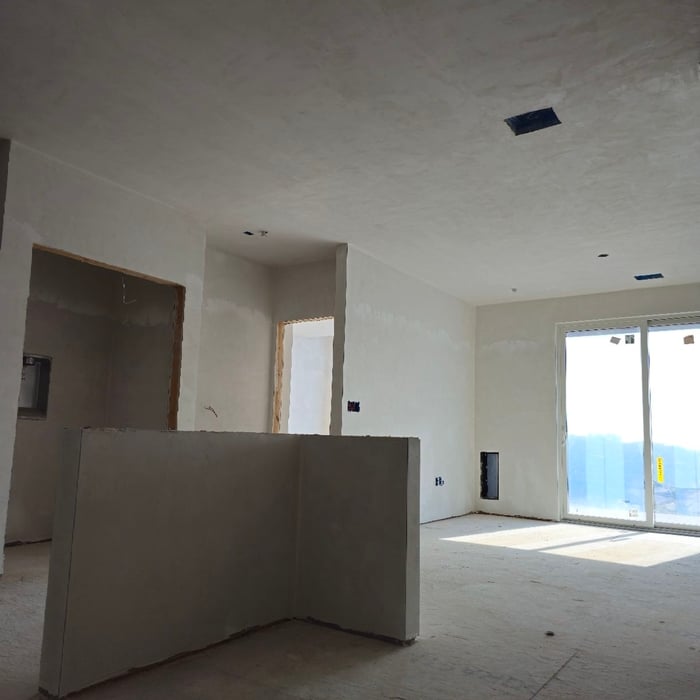
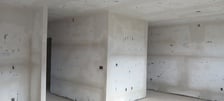
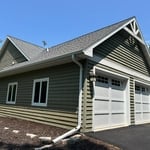
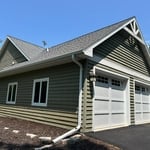
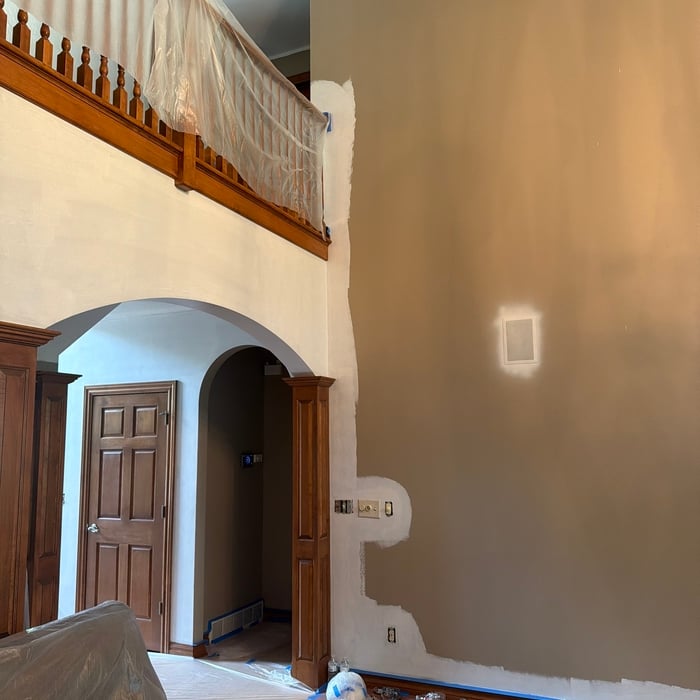
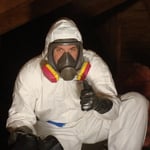
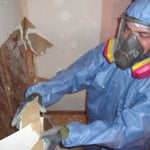
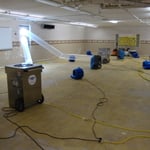
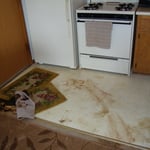
Additional Photos
Additional Photos
Additional Photos
Before
After

+1

Recommended by94%of homeowners
Avatar for Alive Maintenance
Alive Maintenance
5.0(
6
)
Drywall - Repair

Serving Marinette, WI and surrounding areas

In business since 2015

Free estimates

Emergency services offered

"Alive maintenance was prompt, professional, and affordable. I was embarrassed by the condition I allowed them to get to. Alive's employee never made me feel like I had been neglectful, I really appreciated that."
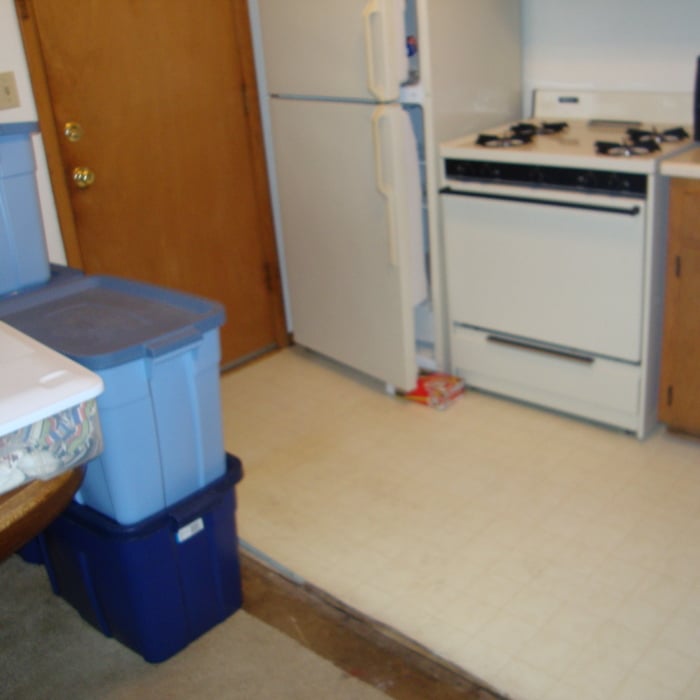
Additional Photos
Additional Photos
Additional Photos
Additional Photos
Recommended by100%of homeowners
Showing 1-10 of 44
Drywall questions, answered by experts

Yes, any parts of drywall that are wet or overly moist will need to be replaced. Drywall is intended to be dry (it’s in the name, after all.), as excess moisture can lead to mold and mildew and eventually corrode your home’s foundational building pieces. Do regular inspections in your home to make sure all your plumbing is intact and in good condition—this will go a long way toward preventing leaks.

There shouldn’t be any gaps between your walls and ceiling. These can be fixed with joint compound but that is only a fix, and it’s much better if your drywall fits correctly in the first place. Sometimes gaps can appear if your foundation shifts significantly but if this is the case, you have a much bigger problem than patching drywall.

There are six levels of drywall finish, from 0 to 5, that refer to the amount of work performed during the finishing process.

Level 0: Drywall is hung with no finishing work.

Level 1: Tape is placed over the seams between drywall sheets.

Level 2: A thin layer of mud is applied over the tape and screw holes. This level is common for utility rooms or walls that will be covered.

Level 3: A full coat of mud covers the screw holes and tape, but the surface is not sanded. This is often used in garages.

Level 4: This is the most common finish for visible interior walls. It involves applying two coats of mud over seams and screw holes, with sanding between each coat, creating a smooth surface ready for flat paint.

Level 5: This is a high-end finish for luxury homes. It includes full taping, mudding, and sanding, plus a final skim coat over the entire surface before painting.

Although they have similar applications, spackle and joint compound are not the same. Their primary differences lie in their composition, consistency, and ideal use cases.

Spackle is composed of gypsum and binding agents, making it thicker than joint compound. It dries quickly and is easy to sand, which makes it ideal for small wall repair projects like filling nail holes or patching minor damage.

Joint compound, also known as drywall mud, consists of limestone and gypsum. It is primarily used for large-scale projects, such as taping and finishing the seams on newly installed drywall. It tends to shrink more than spackle and can be more difficult to spread.

While both products can be used to fill small depressions and cracks, spackle cannot replace joint compound for taping and mudding new drywall. Conversely, you can often use joint compound for small patching jobs typically done with spackle.

Depending on how much adhesive was used as well as the strength of the adhesive, you may have some drywall damage when removing a mirror. You can typically repair most drywall damage if it’s small by sanding the damaged area, applying spackle to smooth the damaged section so it’s flush with the rest of the wall, and repainting the area.

The Marinette, WI homeowners’ guide to drywall services

From average costs to expert advice, get all the answers you need to get your job done.