Since 1993 we have been specializing in plumbing, heating, and cooling services-- installs, repairs, maintenance, and more! Septic systems, water wells-pumps, drain cleaning+camera services, kitchen-bathroom or whole house remodeling gas piping, radon removal systems, new construction, water softener - iron removal. Just ask! We pride ourselves on the quality work we provide, while delivering great customer service! Check out all of the services we offer below and call -- or-- click to schedule a free estimate today! \n
"I just pay $75 you never know who's going to come out. They do everything electrical. Just about everything is covered except the septic tank. I had an air conditioner replaced. It went great, all I had to do was pay for the freon. He didn't charge e more than what was needed."
We pride ourselves on being the best Excavation company in the area.
\n
\nWe've built an excellent reputation for customer satisfaction by providing quick estimates, a great attention to detail, and competitive pricing.
\n
\nBeing a screened and approved professional gives you the peace of mind you need to allow us to give your home the attention it deserves. Call us today and let's get started!
Baking soda does very little to nothing for a septic tank, but it can help unclog a drain or clean out a garbage disposal. Rotten tomatoes and yeast are the best ways to increase the bacteria in your septic tank naturally. You can add these to your system once every three months.
The efficacy of a drain field depends on a wide variety of factors, though a well-maintained one can last as long as 40 or 50 years. Of the different types of septic tanks on the market, concrete and plastic tanks tend to last the longest—upwards of 40 years if they’re pumped regularly—while steel tanks have a tendency to rust over time and may need to be replaced after 15 or 20 years.
Normally, when your well pump turns on or off, you’ll hear a small click. This isn’t anything to worry about, but it can be a problem if it’s clicking continuously. This can indicate that the well pump is short cycling—the pump continuously turns on and off.
This can wear out the motor and provide uneven water flow. If this happens, you may need to get it looked at by a well pump professional to see if you need to repair the switch or pump.
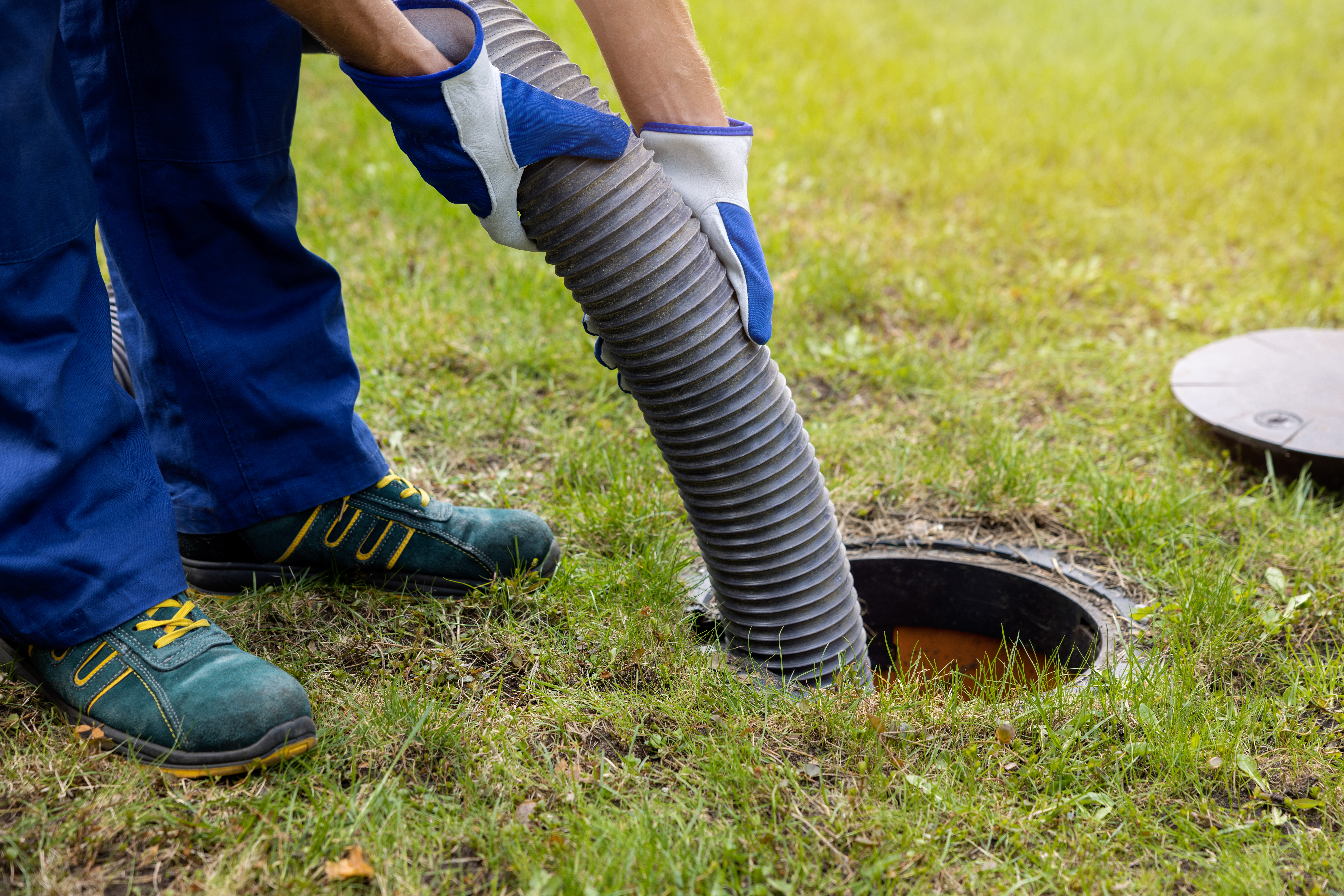
Septic tanks can clog if they aren’t pumped every few years since solid waste accumulates inside of them. Your tank might also clog if you have a habit of flushing anything other than human waste or toilet paper. Items like diapers, baby wipes, paper towels, cat litter, and personal hygiene products should never go down your pipes.
Because well water is not artificially filtered or pre-treated, it may contain contaminants. As a result, it’s possible for well water to damage pipes based on what is in the water. Well water can be corrosive, slowly rusting and dissolving pipes, fixtures, and fittings. The corrosion can affect the taste and quality of the drinking water that comes out of the taps in your home.
The Onalaska, WI homeowners’ guide to septic tank services
From average costs to expert advice, get all the answers you need to get your job done.
Caring for your septic system is crucial to ensuring its long life. But how much does it cost to pump a septic tank? We explore the different cost factors.
A damaged septic system can leak odors and sewage, so repairs are urgent. Find out how much septic tank repair costs based on repair type, tank size, and more.
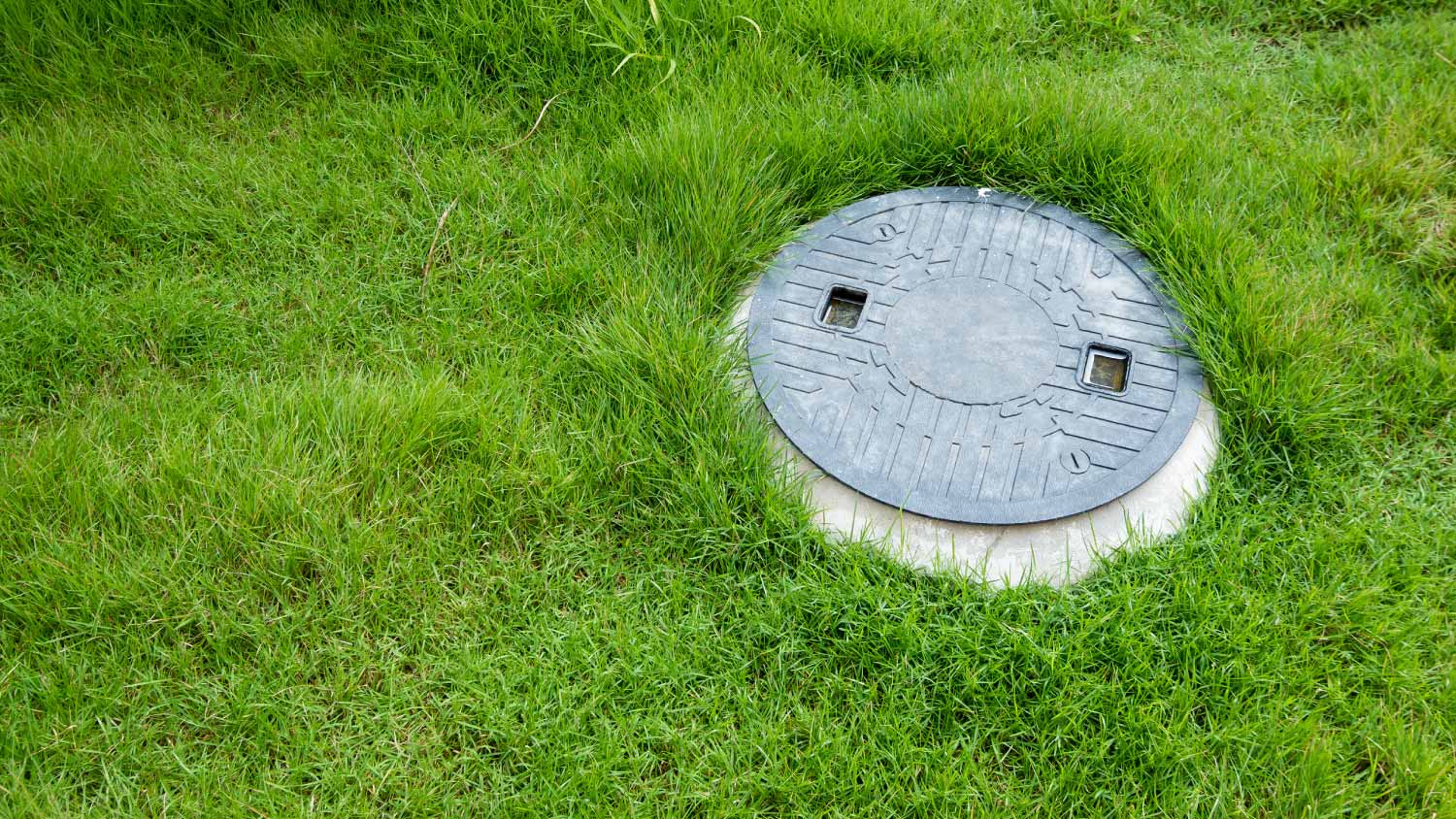
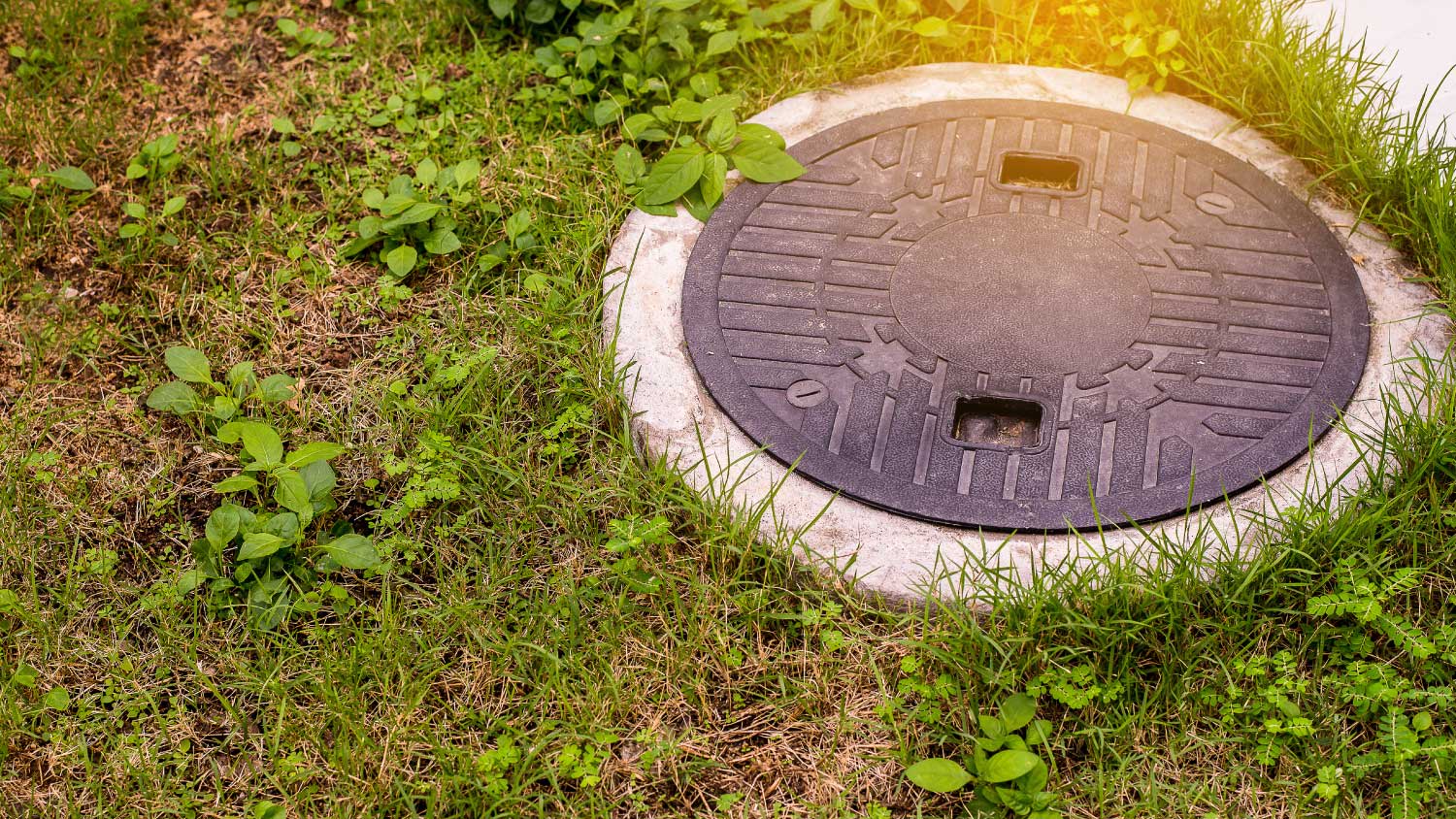
Septic tank risers make it easy to access your septic tank when it’s time for routine inspection, maintenance, and pumping, saving you precious time and labor costs.
Septic tank sizes vary depending on the size of your home, how many people live there, how much water you use, and more. Read on to learn how to determine the right size for you.