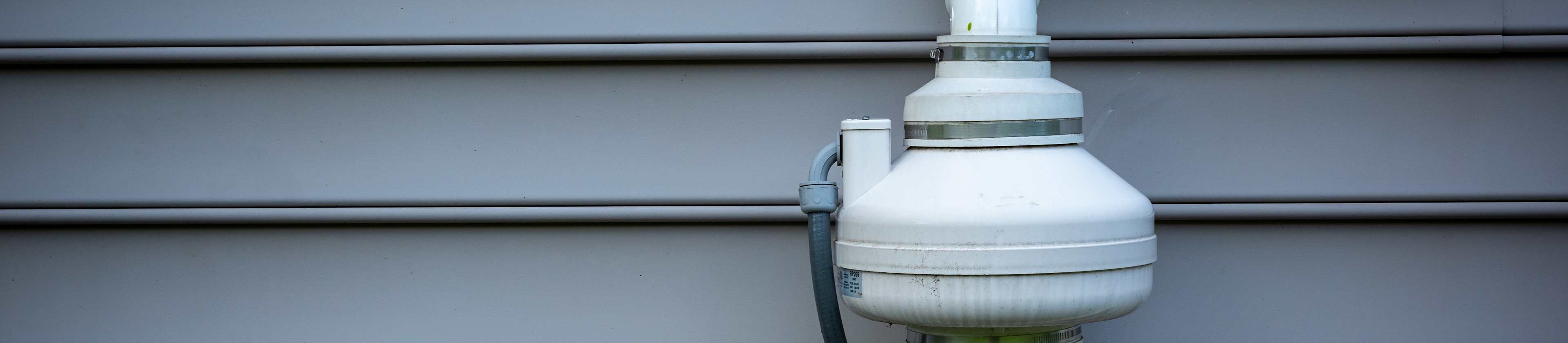







Top-rated radon detection and reduction specialists.

Get matched with top radon detection and reduction specialists in Niagara, WI

Enter your zip and get matched with up to 5 pros

Need a pro for your radon detection and reduction project in Niagara, WI?

Select your specific project to find the pro for you.

Find Radon detection and reduction specialists in Niagara

Avatar for Fox Valley Radon LLC
Fox Valley Radon LLC
4.9(
15
)

Serving Niagara, WI and surrounding areas

Approved

Super Service Award Winner

In business since 2023

Warranties offered

Small jobs welcome

"Mike did an awesome job. Very professional very personable. I applaud him as a professional and yes I would use him again and I would recommend him."
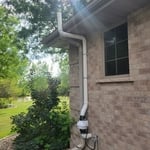
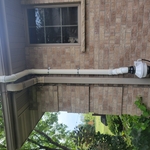
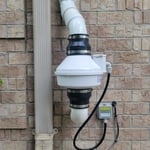
Brick Exterior Radon Mitigation
Exterior Radon Mitigation
Brick Exterior Mitigation
Exterior Radon Mitigation

+8

Response time2 days
5 neighbors recently requested a quote
Recommended by85%of homeowners

Radon Detection and Reduction questions, answered by experts

The fan that pulls the radon out of the air needs to run continuously, so you may see an increase in your electric bill once you install the mitigation system. Additionally, you may see an increase in your heating or cooling bills, as the fan can cause some loss of hot or cool air.

Your radon fan needs to operate 24/7 to be effective. The only time the fan isn't operating is during its replacement. Radon levels in the home can increase within hours if the fan stops working or something obstructs the stack vent. Fortunately, radon systems require no downtime maintenance between fan changes.

There are steps you can take as a homeowner to remediate radon yourself. While a radon reduction professional can make the biggest impact in your home, you can make efforts to improve radon levels on your own by sealing cracks, increasing ventilation, and testing for radon regularly.

Your radon mitigation system may be loud because it’s time to replace it. Any sounds are usually from the inline fan that helps create the vacuum and resulting airflow. If you hear a new, loud mechanical or humming noise from your radon fan, it might be time to replace it. Most fans used in radon mitigation systems last up to 10 years, but may need to be replaced sooner.

Radon enters your home when warm air begins to rise and exits through the roof, creating a vacuum that pulls cooler air from under the foundation. Part of that air is radon, which is an invisible, odorless gas that develops naturally when radioactive particles are deep within the ground. Those particles usually come from decaying matter in soil and rocks.

The Niagara, WI homeowners’ guide to radon detection and reduction services

From average costs to expert advice, get all the answers you need to get your job done.