



Top-rated radon detection and reduction specialists.

Get matched with top radon detection and reduction specialists in Athelstane, WI

Enter your zip and get matched with up to 5 pros

Need a pro for your radon detection and reduction project in Athelstane, WI?

Select your specific project to find the pro for you.

Find Radon detection and reduction specialists in Athelstane

Avatar for Fox Valley Radon LLC
Fox Valley Radon LLC
4.9(
15
)

Serving Athelstane, WI and surrounding areas

Approved

Super Service Award Winner

In business since 2023

Warranties offered

Small jobs welcome

"Mike did an awesome job. Very professional very personable. I applaud him as a professional and yes I would use him again and I would recommend him."
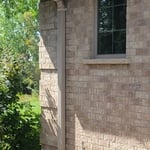
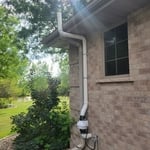
Brick Exterior Radon Mitigation
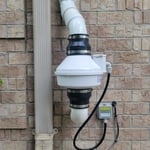
Exterior Radon Mitigation
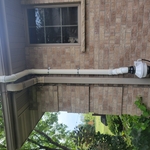
Brick Exterior Mitigation
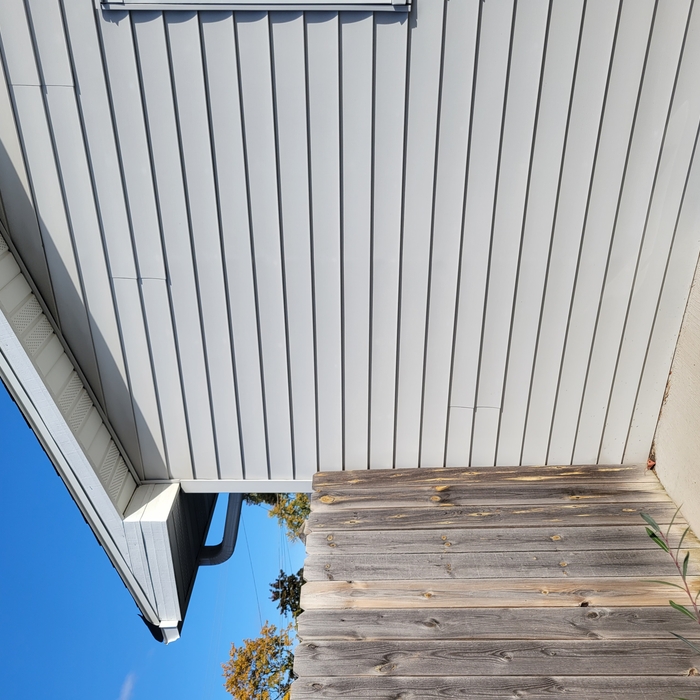
Exterior Radon Mitigation

+8

Response time2 days
6 neighbors recently requested a quote
Recommended by85%of homeowners

Radon Detection and Reduction questions, answered by experts

No level of radon is technically safe, but since it is present everywhere, complete avoidance is impossible. The average radon level in homes across the United States is 1.3 picocuries per liter (pCi/L). The Environmental Protection Agency (EPA) recommends taking preventative measures if your home's radon levels are between 2 and 4 pCi/L or higher.

The soil beneath your house is most likely what’s causing an increased level of radon. This is because soil holds radioactivity for a long time and it’s also what most buildings are built on. Another common source of radon is water from a source that hasn’t been through periodic radon tests, such as well water. Over time, the radon from the soil can inhabit other parts of your house like the foundation or plumbing.

If high radon levels are detected, steps include sealing entry points, installing a mitigation system, and retesting the air regularly to ensure reduced levels.

The average radon mitigation system uses about 876 kWh of electricity per year, although the exact amount of electricity used will vary depending on the size of the radon fan. Once the system is installed, the annual increase to your energy bill could range from $30 to $300 per year, again depending on the size of the fan.

Radon is a cancer-causing radioactive gas that poses serious health risks, infiltrating homes through foundation cracks and unnoticed spaces.

The Athelstane, WI homeowners’ guide to radon detection and reduction services

From average costs to expert advice, get all the answers you need to get your job done.