



Top-rated bird control service pros.

Get matched with top bird control service pros in Mount Horeb, WI

Enter your zip and get matched with up to 5 pros

Need a pro for your bird control service project in Mount Horeb, WI?

Select your specific project to find the pro for you.

TRUSTED BY MOUNT HOREB, WI HOMEOWNERS

  • Average homeowner rating star icon4.8
    Average homeowner rating
  • Verified reviews icon143
    Verified bird control services reviews

Find Bird control service pros in Mount Horeb

Avatar for Terminix® Pest Control
Terminix® Pest Control
4.5(
2
)
Pest Control - Birds and Bats - For Business

Serving Mount Horeb, WI and surrounding areas

Approved

In business since 1927

Free estimates

Warranties offered

"Very knowledgeable guy who seem to know what he’s doing. Don’t know results of spraying. Have had much rain since. Will have to see if it worked. Terminex will spray again the beginning of next month."
My jobs
My jobs
My jobs
My jobs
My jobs

+2

50 neighbors recently requested a quote

Bird Control questions, answered by experts

Studies indicate that owls don't possess a conventional sense of fear. However, they find intense, sudden human noise unsettling, like clapping or shouting. Additionally, owls are likely spooked by sudden bursts of bright light. While they may not experience fear as humans do, these disturbances can disrupt their natural behaviors, making it essential to minimize such disruptions when sharing spaces with these remarkable creatures.

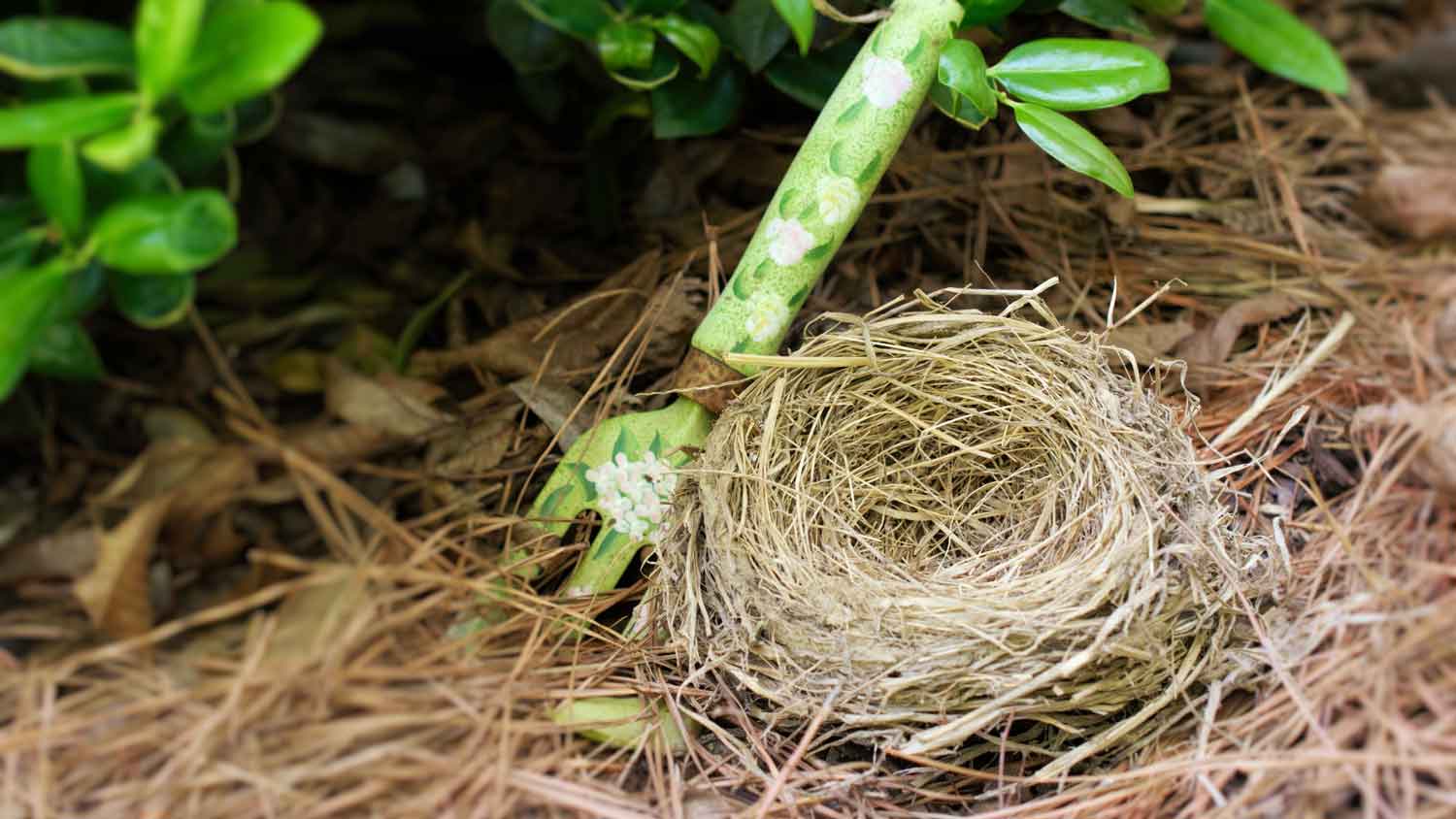
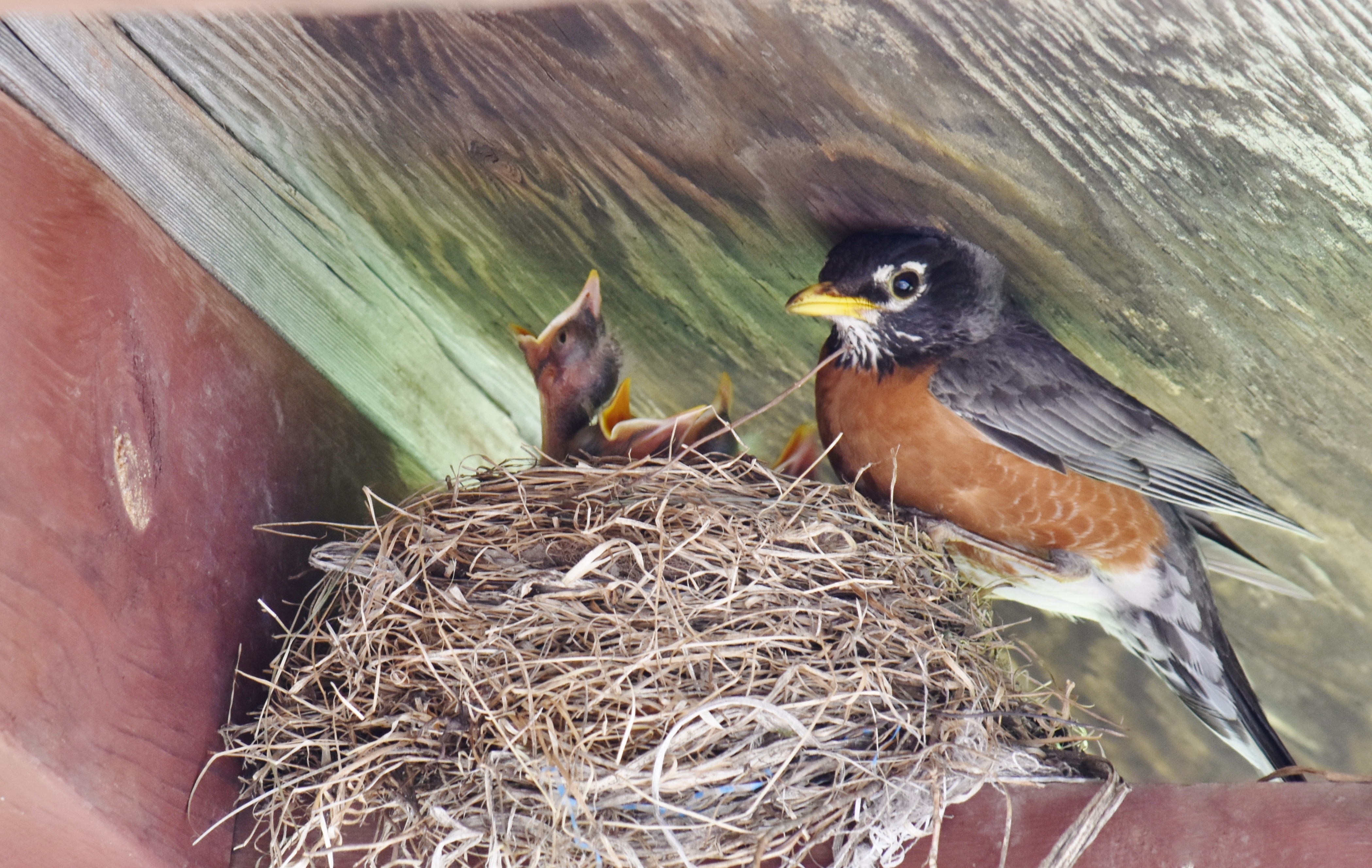
The lifespan of a bird's nest depends on the species. The building process can take from two days to three weeks. Once built, the nesting period for baby birds can last from two to ten weeks before they leave the nest. While most young birds are ready in two to six weeks, some predatory species may need up to two and a half months. Some species nest four to five times per year, so a nest could remain in use for several months. For specific information about a particular nest's longevity, it is best to consult a wildlife professional.

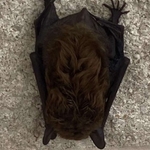
Finding a dead bat in your home can be frightening, even during spooky season. The United States Department of Interior states that if you find a dead bat, take these steps:

  • Contact your state wildlife agency to report the finding

  • Photograph the bat safely to help the wildlife agency determine the species

  • Use disposable gloves to place the bat into a plastic bag, making sure to spray with disinfectant and close the bag securely 

  • Thoroughly clean your hands and any clothing that came into contact with the bat

If you see one dead bat, you might have a large bat infestation that needs to be treated immediately. Call a local pest control company to properly inspect your home for other bats.

Small amounts of geese are actually good for the environment. They help spread seeds and lead to more plant growth, but they’re often an invasive species, particularly Canadian geese. This means a small gaggle can quickly grow into a level that litters your lawn with bald patches and excrement.

The best time of year to remove bats is autumn until spring. In fact, many states have restrictions on bat removal, mandating it to start sometime in August and go up until May. For some states, the removal period stops in March. Your pest control pro should know of any restrictions and can help you pick an optimal time for removal.

The Mount Horeb, WI homeowners’ guide to bird control services

From average costs to expert advice, get all the answers you need to get your job done.