



Top-rated welders.

Get matched with top welders in Madison, WI

Enter your zip and get matched with up to 5 pros

Need a pro for your welding project in Madison, WI?

Select your specific project to find the pro for you.

Find Welders in Madison

Avatar for QUIGLEY DECKS & FENCE
QUIGLEY DECKS & FENCE
4.2(
42
)
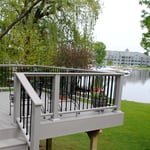
Wrought Iron Fence - Repair or Weld

Serving Madison, WI and surrounding areas

In business since 1985

Emergency services offered

Credit card accepted

"He was very prompt and very professional. At first he thought he would not be able to complete within our requested time frame, but he was able to use a little wiggle room and get it done right on time! Our fence looked so awesome that our neighbors decided to use Quigley too! 
"
Composite decking
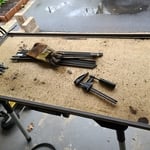
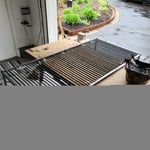
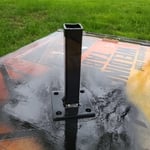
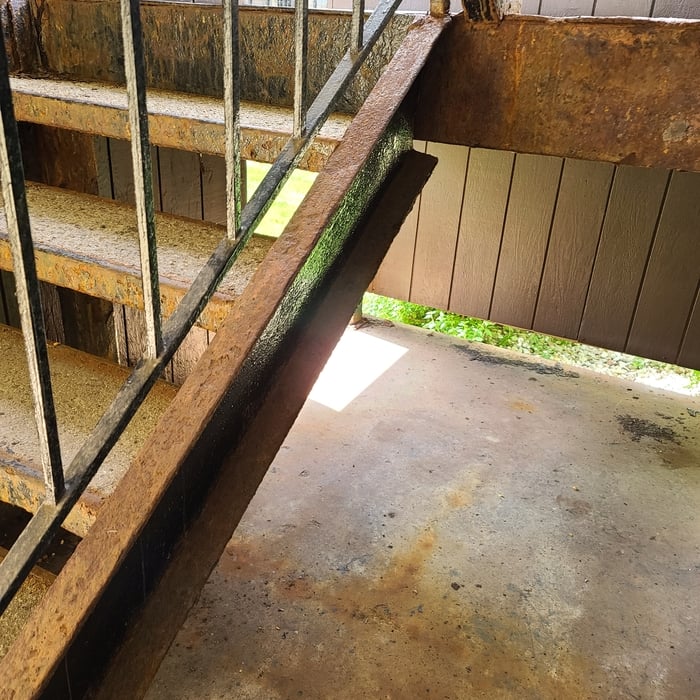
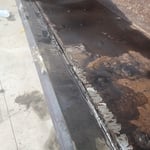
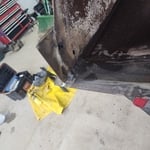
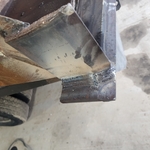
Additional Photos
Additional Photos
Additional Photos
Recommended by90%of homeowners

Showing 1-10 of 41
Welding questions, answered by experts

It will likely take an experienced pro less than an hour to install a ground rod, which is another reason why letting them handle the job is such a good idea. Safety concerns aside, it would likely take you much longer to install a ground rod if you decided to take this one as a DIY job.

The best thing to cut metal pipe is a durable pipe cutter that is made for metal. You may want to measure the diameter of the pipes before purchasing a pipe cutter to ensure it will be able to cut your metal pipes. Opt for a heavy-duty option to cut through metal like steel or cast iron.

To maintain custom or fabricated metal structures and extend their lifespan and appearance, perform regular cleaning, apply rust prevention treatments, and use protective coatings.

Yes, you can use a saw to cut metal pipes. The best saw to use is a reciprocating saw, but even a fine-tooth hacksaw can get the job done. No matter which saw you use to cut metal pipes, wear protective gear, like work gloves, safety goggles, and ear plugs. Apply a firm, steady pressure to the tool, and always ensure the pipes are secured so they don't move while you make the cuts.

Cutting round ductwork requires precision and the right tools. A duct cutter, specifically designed for circular ducts, is ideal. First, mark the cutting line on the duct using a measuring tape and pencil. Then, position the duct cutter's blade on the marked line. Apply steady pressure, rotating the cutter around the duct. The sharp blade creates a clean, precise cut. Alternatively, a reciprocating saw with a metal-cutting blade can be used for larger round ducts. Ensure the duct is securely held in place while making the cut to prevent slips and maintain accuracy.

The Madison, WI homeowners’ guide to welding services

From average costs to expert advice, get all the answers you need to get your job done.