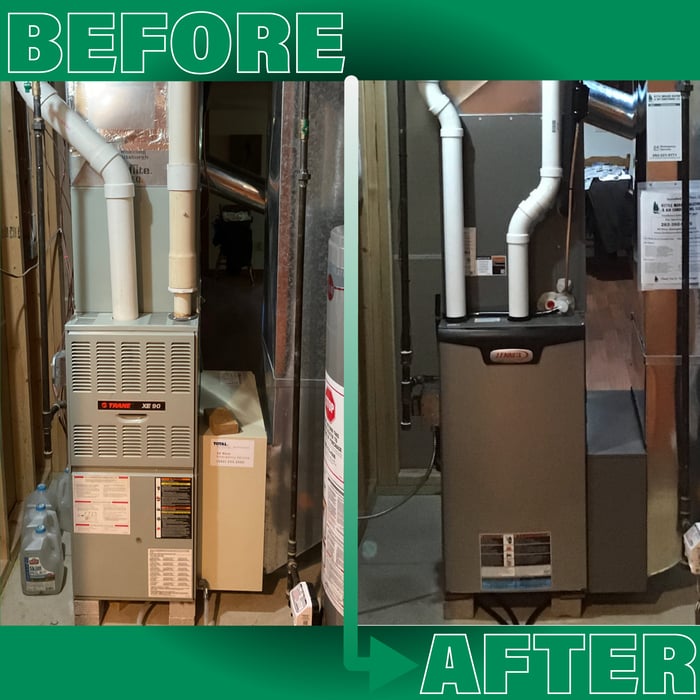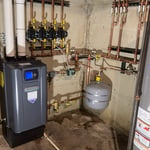






Top-rated boiler installation pros.

Get matched with top boiler installation pros in Columbus, WI

Enter your zip and get matched with up to 5 pros

TRUSTED BY COLUMBUS, WI HOMEOWNERS

  • Average homeowner rating star icon4.7
    Average homeowner rating
  • Verified reviews icon333
    Verified boiler installation services reviews

Find Boiler installation pros in Columbus

Avatar for JB Mechanical, LLC
JB Mechanical, LLC
4.9(
30
)
Gas Boiler or Radiator Heating System - InstallGas Boiler or Radiator Heating System - Install - For Business

Serving Columbus, WI and surrounding areas

Approved

In business since 2016

Free estimates

Emergency services offered

"Excellent company. They did a professional job, very knowledgeable and friendly crew. Josh was great explaining everything and giving us several options of furnaces. No buying pressure and went above and beyond to get us in due to the old furnace dying. Great job guys !!!!!"
Response time2 days
17 neighbors recently requested a quote
Recommended by93%of homeowners
Sears Heating and Cooling - Milwaukee
4.3(
23
)
Boiler or Radiator Heating System - Install or ReplaceGas Boiler or Radiator Heating System - InstallOil Boiler or Radiator Heating System - Install

Serving Columbus, WI and surrounding areas

In business since 1893

Free estimates

Warranties offered

"We found everything and everyone to be very efficient and pleasant. There was one glitch, however, when the electrician didn't turn on the fuprnace before he left Everyone was very apologetic and things were rectified very quickly. Also, there was a loud banging noise when the furnace turned off. This also was rectified very quickly. The serviceman was very apologetic"
Recommended by89%of homeowners
Showing 1-10 of 20
Install Boiler questions, answered by experts

Safety concerns with propane boilers include proper venting to prevent carbon monoxide buildup, secure gas line connections, and regular inspection of safety controls. Professional boiler installation and annual maintenance are essential to minimize risks. Having a carbon monoxide detector installed in your home is essential for early detection of any leaks or ventilation issues.

The right type of HVAC system will depend on several factors, including your climate, budget, preferences, and existing HVAC setup. For example, if you live in an area that experiences extreme weather, then a split system would likely be the best option. Or, if budget is a concern, consider installing a ductless system in just one room.

The average lifespan of a boiler is typically between 15 and 20 years, though some may last for as little as 10 years while others can reach 30. A boiler's longevity is influenced by several factors, including the quality of the unit, proper installation, and consistent professional maintenance.

The material also plays a significant role. Older boilers made from durable cast iron can last for over 20 years, with some functioning for up to 50 years. However, it's important to consider their lower efficiency, which can lead to higher utility bills. Modern boilers, often made from steel alloys, are designed to withstand high pressure and temperatures and have an average lifespan of about 20 years.

To maximize your boiler's lifespan, ensure it is installed correctly, have it professionally maintained each year, and address any necessary repairs immediately.

Boilers are equipped with multiple safety features to ensure safe operation. These include pressure relief valves to prevent overpressure, temperature high-limit switches to avoid overheating, and flame failure safety devices in gas boilers to cut off the gas supply if the flame goes out unexpectedly. Low water cutoffs prevent operation with insufficient water levels, and pressure gauges help monitor pressure levels. Ventilation and flue systems prevent the buildup of harmful gasses. Boilers often feature error code systems for automatic shutdown during malfunctions and gas leak detection for safety. Regular maintenance is crucial to ensure these safety features function correctly.

The main difference between an outdoor wood furnace versus an outdoor wood boiler is what each appliance is heating. An outdoor wood furnace burns wood to create heat, which warms the air and moves it through the ducts in your home. An outdoor wood boiler uses the heat from burning wood to warm water, which goes through pipes to radiators in the home.

The Columbus, WI homeowners’ guide to boiler installation services

From average costs to expert advice, get all the answers you need to get your job done.