
Top-rated concrete leveling pros.

Best concrete leveling pros near Cedar Grove, WI

Enter your zip and get matched with up to 5 pros

Need a pro for your concrete leveling project in Cedar Grove, WI?

Select your specific project to find the pro for you.

Top-Rated Concrete leveling pros in Cedar Grove - Updated Nov 2026

Avatar for Groundworks
Groundworks
4.6(
917
)
Concrete - Injection Leveling - MudjackingConcrete - Injection Leveling - Mudjacking - For Business

Serving Cedar Grove, WI and surrounding areas

Approved (Corporate)

In business since 1993

Free estimates

Small jobs welcome

Groundworks is the North America's leading and fastest-growing foundation repair and water management solutions provider. Groundworks is a vertically integrated company with its own manufacturing operations and a world-class software solution, allowing us to serve our customers more effectively. From the first phone call to the annual maintenance offered, our customers have peace of mind knowing we're there with one mission to repair, protect and improve their home. For state licenses visit Groundworks.com/licensing

Basement
Basement
Basement
Concrete
Concrete

+13

32 neighbors recently requested a quote
Recommended by93%of homeowners
Avatar for Raiserite Foundation Pier System, Inc.
Raiserite Foundation Pier System, Inc.
4.0(
12
)
Concrete - Injection Leveling - MudjackingConcrete - Injection Leveling - Mudjacking - For Business

Serving Cedar Grove, WI and surrounding areas

In business since 1974

Free estimates

Warranties offered

"I'd recommend this business to anyone needing concrete leveling. RR was out within a few days of contact to do an estimate, guys our within a couple weeks to complete job. Very happy, concrete's now banked away from house so drainage is as it should be. Price for work is a fraction of what it'd cost to break-out & re-pour new slabs. Very satisfied."
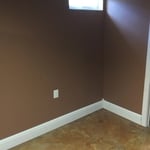
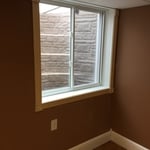
Egress Window
Egress Window Install
Interior waterproofing
Waterproofing
Polyurethane Foam Concrete Raising

+4

Response time2 days
Recommended by81%of homeowners

Concrete Leveling FAQs, answered by experts

Trenching and boring are two distinct methods for installing underground utilities. Trenching involves digging a channel using equipment like an excavator, trencher, backhoe, or shovel. While it is a simpler process, it causes significant disruption to the surface, landscaping, and surrounding ecosystems.

Boring, also known as directional boring, is a less invasive alternative that uses a drill to create a tunnel for utility lines without disturbing the surface. This method is more precise and is ideal for installations that need to go underneath buildings, roads, or bodies of water. Although boring is less disruptive, it is generally more expensive than trenching.

There is no real alternative to underpinning, although mudjacking and polyjacking are other repair methods that can add support from underneath your foundation. Rather than placing supportive piers under your structure, these involve pumping a material under your slab to lift a sunken section back into its original position. Polyjacking, in particular, is sometimes a suitable solution for stabilization issues under slab foundations, but underpinning is often accepted as the best and most permanent solution.

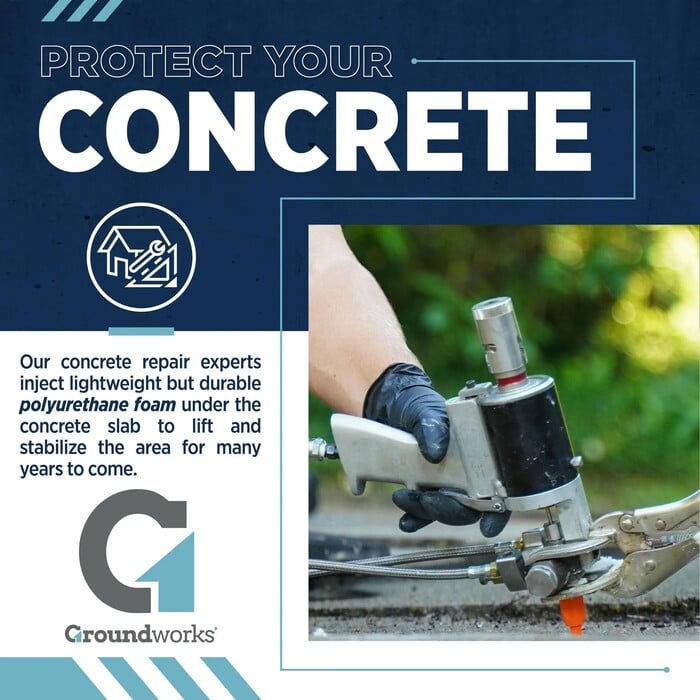
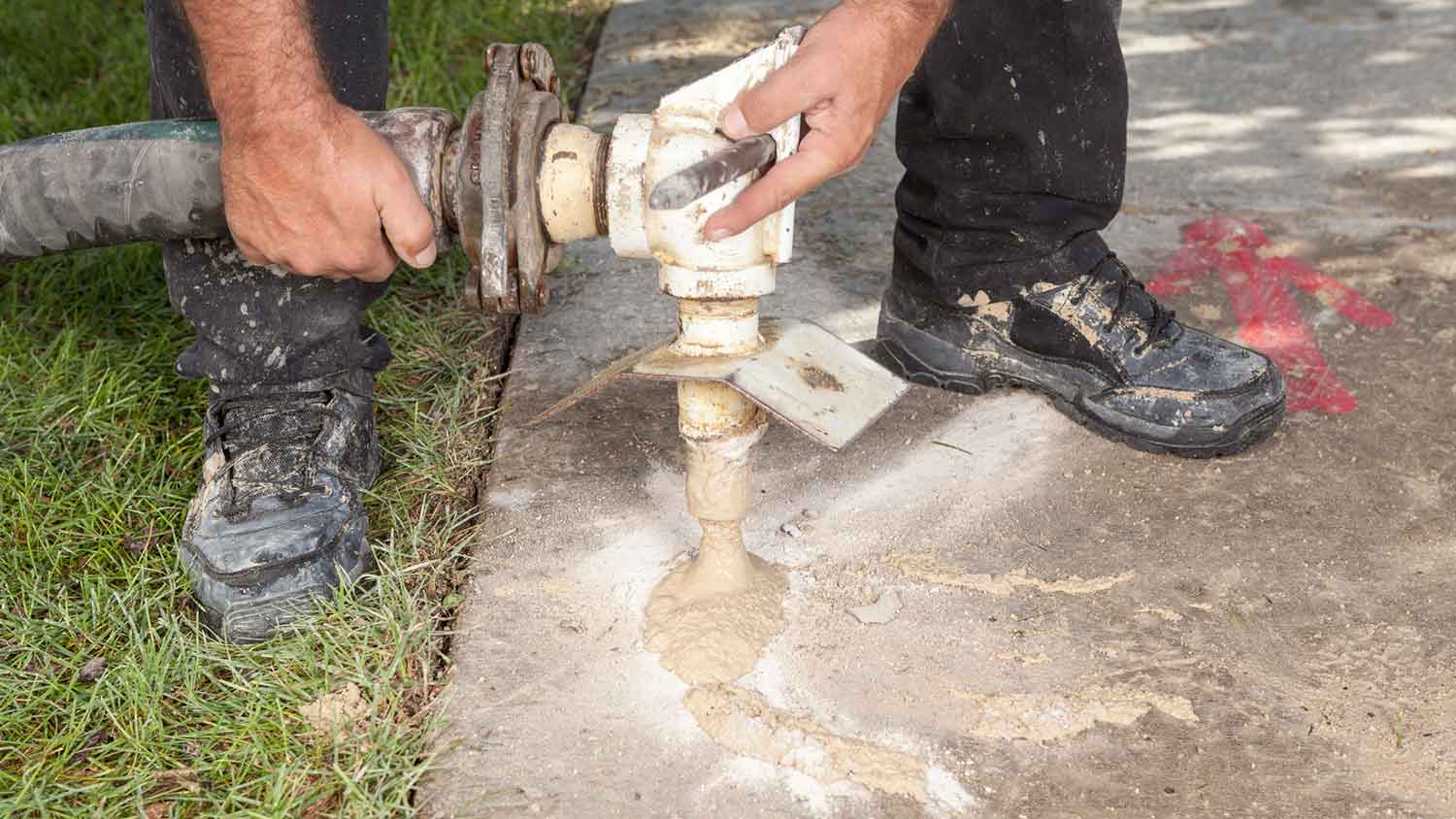
A slurry of cement, sand, and water is injected beneath the concrete to lift and stabilize it.

Mudjacking typically takes 24 to 72 hours (one to three days) to dry and cure completely before you can resume normal use. The total drying time can vary depending on the size of the project. Because the slurry mixture contains cement, it needs to harden fully to prevent the concrete slab from shifting under added weight. You should avoid walking on the concrete or placing heavy items like furniture or vehicles on the surface until it has fully set. Your concrete contractor can provide a precise timeline. As a point of comparison, if you opt for polyjacking, the polyurethane foam can dry in minutes, but it's recommended to wait about an hour before use.

A good slump height really depends on the project, but there is a use for nearly all slump levels. For example, low slumps are best in projects that require structure, such as curbs and roads. High slumps often require additional reinforcement, but they flow more freely into hard-to-reach spaces.

The Cedar Grove, WI homeowners’ guide to concrete leveling services

From average costs to expert advice, get all the answers you need to get your job done.