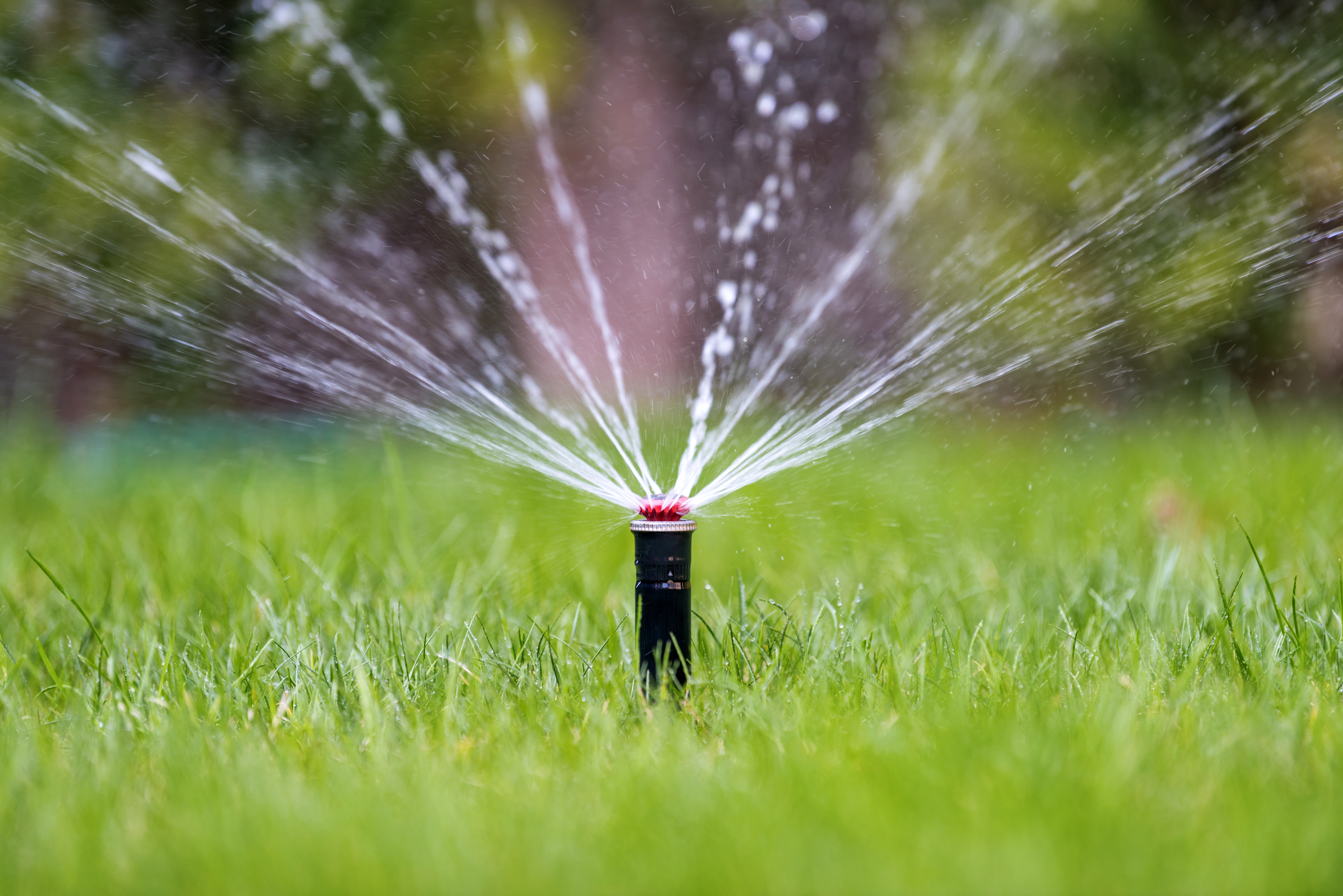











Top-rated lawn irrigation specialists.

Get matched with top lawn irrigation specialists in Cable, WI

Enter your zip and get matched with up to 5 pros

Need a pro for your lawn irrigation project in Cable, WI?

Select your specific project to find the pro for you.

Find Lawn irrigation specialists in Cable

J.T. Enterprises
New to Angi
Lawn and Garden Sprinkler System - InstallLawn and Garden Sprinkler System - RepairSprinkler System for Lawn and Garden - Winterize or Activate

Serving Cable, WI and surrounding areas

In business since 2011

Free estimates

Welcome to J.T. Enterprises! We are family owned and operated company with over 10 years of experience proudly serving the local Washburn County and surrounding counties. There is no job too big or small for us to handle, our primary concern is making you happy. We take pride in the quality of work and customer satisfaction that we give to every one of our clients! Call us today to learn more about how we can help you!\n\n*Available Saturday By Appointment Only*

Lawn Irrigation questions, answered by experts

Bahia grass is not difficult to grow, but you might need patience for this slow-growing grass. Whereas some grass species, like Bermuda grass, can take 1 to 2 weeks to germinate, Bahia grass can take two or three times as long, making it seem like it won’t grow. But again, once your Bahia grass is established, it requires little maintenance. Its deep root system makes it a very durable grass that can bounce back after freezes and droughts. 

The best time to plant is between spring and autumn. Springtime weather is typically mild and is when nurseries start to bloom. When the summer weather arrives and it’s hot out, it’s best to avoid planting bare-root plants, but you can still plant many in-container varieties. The first sign of fall is another great opportunity to plant biennials if you live in southern states, or a lovely vegetable garden up north.

The best time to plant grass seed depends on your local climate and whether you have cool-season or warm-season grass.

For cool-season grasses (like tall fescue), the ideal time to seed is late summer or early fall (typically August and September). During this period, the soil is still warm from the summer, but the air is cooler, creating optimal conditions for germination and root establishment before winter. There is also less competition from weeds. Spring is a secondary option, but cooler soil temperatures, the risk of a late frost, and less time for the grass to mature before summer heat can make it less successful.

For warm-season grasses (like St. Augustine), the best time to plant is from late spring through mid-summer (typically May and June), when temperatures are consistently between 75 and 90 degrees Fahrenheit.

In general, it is best to avoid seeding during winter or early spring, as cold soil and air can prevent seeds from germinating. For recommendations tailored to your specific grass type and climate, consider consulting a local lawn care professional.

Yes, many providers include aeration and soil testing in the seeding process. Confirm with your contractor.

Speeding up grass seed germination is possible, but it requires quite a bit of extra work and commitment. Keeping the soil moist is key, but here are a few other tried-and-true methods for growing your new grass as quickly as possible:

  • Mist grass up to eight times per day to keep the soil moist.

  • Purchase a moisture-retaining seed coating for your grass seeds.

  • Amend soil that is compacted or in the wrong pH range.

  • Choose the right grass seed for your area’s climate and soil conditions.

  • Avoid planting on windy days or during periods of extreme rain or drought.

The Cable, WI homeowners’ guide to lawn irrigation services

From average costs to expert advice, get all the answers you need to get your job done.