





Top-rated plaster repair specialists.

Get matched with top plaster repair specialists in Cable, WI

Enter your zip and get matched with up to 5 pros

Need a pro for your plaster repair project in Cable, WI?

Select your specific project to find the pro for you.

Find Plaster repair specialists in Cable

Avatar for AB contracting
AB contracting
New to Angi

Serving Cable, WI and surrounding areas

Free estimates

Credit card accepted

We specialize in handyman services, home repairs, remodeling, and more! We guarantee your satisfaction, and we won’t leave until the job is done right. We pride ourselves on the quality work we provide, while delivering great customer service! Check out all the services we offer below and call -or- click to schedule a free estimate today!

Plaster Repair questions, answered by experts

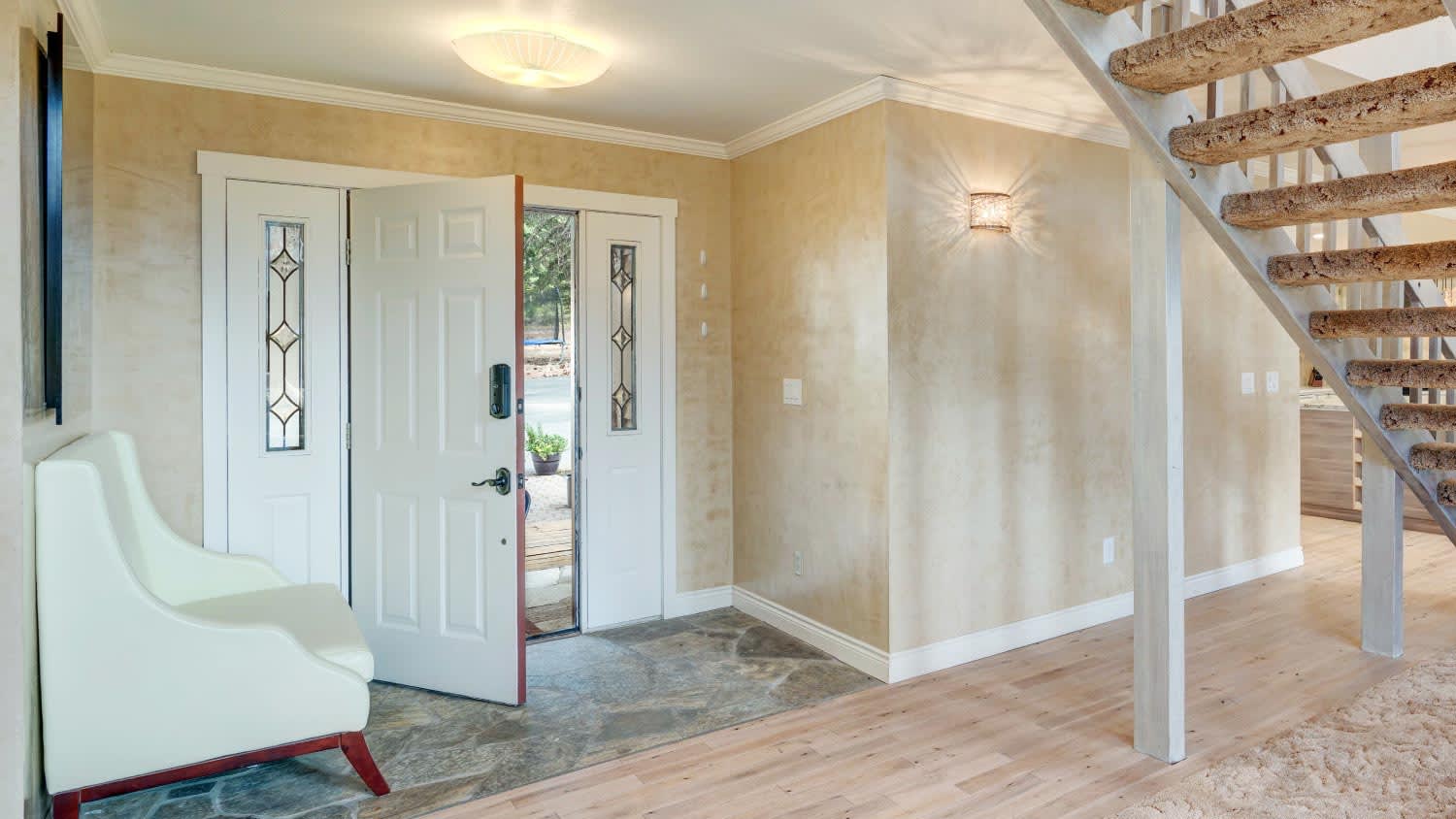
The allure of Venetian plaster lies in its unique appearance and individual characteristics in a home. It’s sophisticated and multidimensional and has a rich history dating back to Ancient Rome. This type of plaster finish is durable and represents a style of luxury that has been practiced for thousands of years. Many designers pair the texture of Venetian plaster with modern furnishings, resulting in an elegant and refined aesthetic.

Although they are used for similar tasks, spackle and joint compound are not the same. Joint compound, also known as drywall mud, consists of limestone and gypsum and is primarily used for large-scale projects like taping and finishing seams on new drywall. Spackle is composed of gypsum and binding agents, making it a thicker compound best suited for small wall repairs like filling nail holes or cracks, as it dries quickly and is easy to sand. For small repairs, either product can be suitable. However, you can use joint compound for small jobs in place of spackle, but you cannot use spackle for large-scale taping and mudding projects.

All plaster walls will crack over time due to normal house settling and expansion and contraction from temperature and moisture changes. Small, thin hairline cracks are generally not serious and are mostly a cosmetic issue. However, larger or more significant cracks can indicate structural problems.

Here's how to tell the difference:

  • Cosmetic Cracks: Cracks that are 0.5 cm (0.2 inches) or thinner are typically cosmetic.

  • Structural Cracks: Cracks wider than 0.5 cm, excessive or deep cracks, multiple cracks in the same area, or cracks that span around corners can signify a structural or foundation issue. Cracks along the joints where walls meet the ceiling also warrant attention.

For cracks wider than 0.5 cm, structural repair is needed. If a crack is 2.5 cm (1 inch) or wider, or if you notice any signs of a structural problem, it is best to contact a plaster repair professional to assess the damage.

Common causes of ceiling cracks along drywall seams include poor drywall installation techniques, structural issues, truss uplift, and foundation problems. Temperature and humidity also play major roles in ceiling cracks flush with the wall. As the drywall shrinks and expands from major temperature changes or extreme humidity shifts, this can cause the drywall to crack.

You’ll want to inspect your plaster walls for signs of damage before painting. If you notice soft spots, deep cracks, bubbling, or areas where the plaster is crumbling or pulling away from the wall, it likely needs repair. While small hairline cracks are common and likely cosmetic, you should address larger issues before painting to ensure a quality, smooth finish.

The Cable, WI homeowners’ guide to plaster repairs

From average costs to expert advice, get all the answers you need to get your job done.