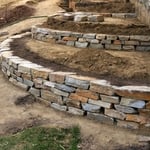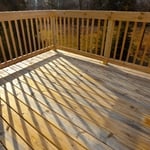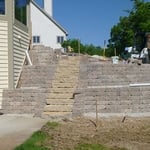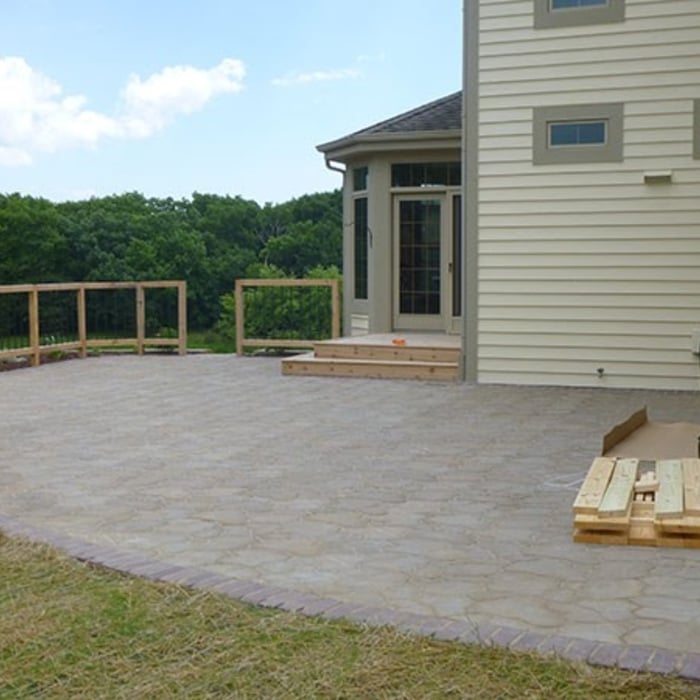



Top-rated fountain pros.

Best fountain pros near Big Bend, WI

Enter your zip and get matched with up to 5 pros

Need a pro for your fountain service project in Big Bend, WI?

Select your specific project to find the pro for you.

Top-Rated Fountain pros in Big Bend - Updated Nov 2026

Avatar for Custom Care Landscaping and Design
Custom Care Landscaping and Design
4.5(
6
)
Water Feature - Install a Fountain or Waterfall

Serving Big Bend, WI and surrounding areas

Emergency services offered

"Epic and the crew from custom care quickly devised a solution to make our yard and water access safe and beautiful.  They did the work faster than expected and were careful to secure all permits and preserve the environment.  Great guys."
Additional Photos
Additional Photos
Additional Photos
Additional Photos
Additional Photos

+5

Recommended by83%of homeowners
Fountains FAQs, answered by experts

Natural swimming pools are designed to deter pests, including mosquitoes. While any body of water can potentially attract pests, the natural filtration system keeps the water clean and constantly moving. Mosquitoes specifically are attracted to standing water, so the continuously circulating water in a natural pool makes it an inhospitable environment for them.

A koi pond should be at least 5 feet deep to keep the fish healthy and ensure they don’t freeze in winter. Koi fish are also known for growing large, so the more room you have, the better. A larger koi pond size will allow the fish to grow bigger than a smaller one will, and the more fish you have, the bigger the pond you’ll need. Learn how to build a pond in your backyard to ensure it remains functional and aesthetically pleasing for a long time.

Fountain maintenance is an important part of having a clean foundation in the first place. To keep your fountain water clean, you can use a water additive designed specifically to limit scale, algae, and other buildup in fountains. Or opt to use white vinegar as a pantry-ready water additive.

Yes, natural pools can get algae since they use the same filtration processes as lakes or streams. However, you can reduce the risk of algae by adding more algae-fighting plants and not installing your natural swimming pool in direct sunlight, as it promotes algae growth.

While they’re popular and have a lot of pros, the cons of river rocks include the following:

  • River rocks don’t break down or provide nutrients to plants. 

  • These stones can get hot and scorch nearby plants. 

  • River stones may heat the surrounding soil to inhospitable temperatures. 

  • Rocks can block rainwater from seeping into the ground if installations are too thick or tightly packed.

Most downsides occur when using river rock as mulch in gardens and flower beds. However, you can still incorporate river rocks into your landscape as long as you use them in the correct ways.

The Big Bend, WI homeowners’ guide to fountain services

From average costs to expert advice, get all the answers you need to get your job done.