




Top-rated pool table assembly pros.

Get matched with top pool table assembly pros in Avoca, WI

Enter your zip and get matched with up to 5 pros

Need a pro for your pool table assembly project in Avoca, WI?

Select your specific project to find the pro for you.

Find Pool table assembly pros in Avoca

Avatar for Ron's Specialty Services, LLC
Ron's Specialty Services, LLC
4.1(
17
)
Handyman for Multiple Small Projects

Serving Avoca, WI and surrounding areas

In business since 2013

Free estimates

"Ron repaired a 8 x 10" hole in my ceiling which looks flawless now. He also installed a new kitchen sink and faucet and did several small jobs for me. He is friendly, arrived on time, worked quickly and efficiently. Fair prices as well. I highly recommend him and plan to hire him again."
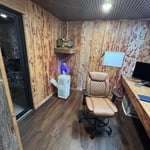
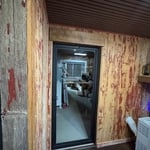
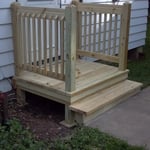
Rear Entrance Porch
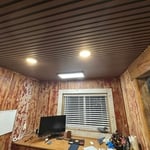
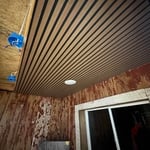
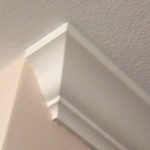
Ceiling Molding
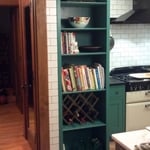
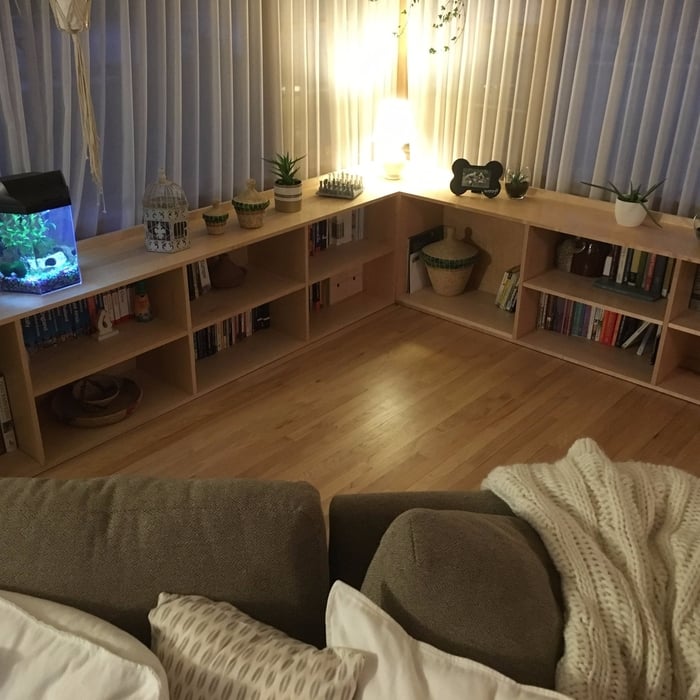
Book Shelf
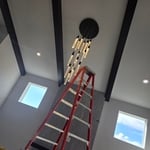
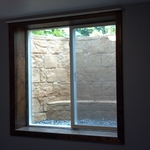
Egress Window
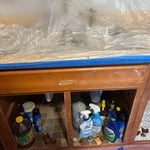
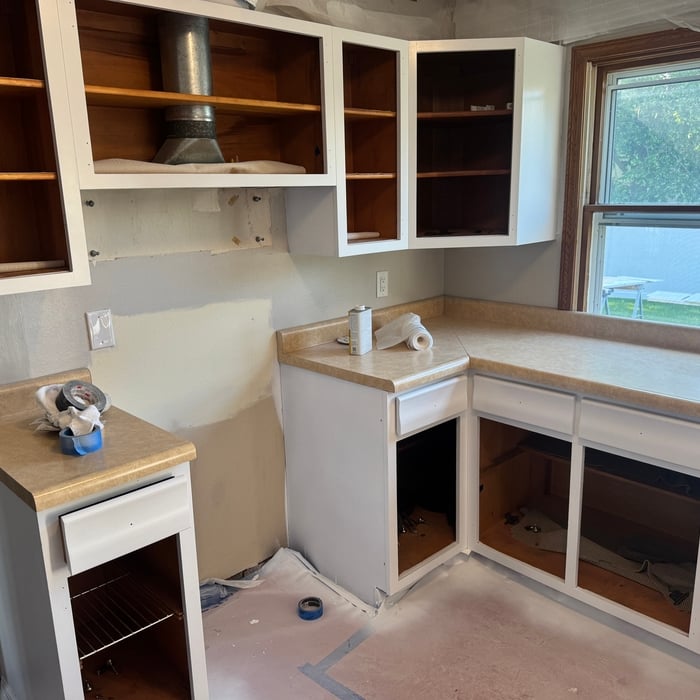
Assorted  Completed Jobs

+17

Recommended by100%of homeowners
Showing 1-10 of 41
Pool Table Assembly questions, answered by experts

The only pools that don’t need grounding are those without electrical components, such as small inflatable pools. Any outlet around a pool should be a GFCI to cut the current if the outlet gets too wet. At the very least, the pool’s electrical should be plugged into a GFCI outlet, if not a dedicated GFCI breaker. Check local guidelines and requirements to ensure you’re following all safety regulations. 

An in-ground swimming pool enhances property value by adding a luxurious aesthetic and functional feature. It appeals to potential homebuyers who value outdoor entertainment and relaxation spaces, thus raising market desirability.

You should add chlorine within 48 hours of filling your pool with water. In just 24 hours, bacteria and algae will begin to grow and contaminate your water. After that point, you’ll need to shock the water with high levels of chlorine, and you’ll likely need to do additional vacuuming to get the pool clean. It’s important to check your chlorine levels two to three times a week and add more chlorine as needed to maintain a healthy level.

Calcium lumps in a pool are calcium deposits that form when a pool's water parameters are not in the normal range. They can float around on the surface of the pool water, making it look and feel dirty. The most common causes of calcium lumps in pools are calcium hardness above 1,000 ppm, alkalinity over 120, and a pH over 7.8. Keeping your pool’s calcium levels, alkalinity, and pH levels within the normal, safe ranges is the best way to prevent calcium lumps and other problems, including damage to the pool surface.

While some water loss from splashing and evaporation is normal, a rapid or excessive drop in the water level may indicate a leak. Other signs of a pool leak include unexplained soft or wet spots in the yard, cracks in the pool structure or falling tiles, higher-than-normal water bills, persistent algae growth or water discoloration, and standing water around the pump, pipes, or other pool equipment.

The Avoca, WI homeowners’ guide to pool table assembly services

From average costs to expert advice, get all the answers you need to get your job done.