





Top-rated animal fencing pros.

Get matched with top animal fencing pros in Pullman, WA

Enter your zip and get matched with up to 5 pros

Need a pro for your animal fencing service project in Pullman, WA?

Select your specific project to find the pro for you.

Find Animal fencing pros in Pullman

Central Fence Of Walla Walla LLC
New to Angi
Electronic Pet Fence - InstallElectronic Pet Fence - Repair or Adjust

Serving Pullman, WA and surrounding areas

In business since 2006

Free estimates

License number CENTRFW934LD\nCompany operator Ken Witt has 24 years of fence experience in the Walla Walla Valley. \n\nQuality That's Affordable! \n\nWe're a small company that produces amazing results. We proudly design and build custom projects such as custom cedar fences and arbors.\n\nThe types of fences we build are many:\nOrnamental Iron, Cedar Board, Privacy Vinyl, Vinyl Rail, Split Rail, Chain Link, Farm and Feild and Boundary and Security fences.\n\nWe also do custom concrete work. The concrete finishes we provide are:\nBroom, Stamped/Colored, Exposed Aggregate, and Pillars/Stone.\n\nOur Hours of Operation are:

Animal Fencing questions, answered by experts

This depends on if their needs are being met. They'll likely return night after night if they have access to food, water, and adequate shelter. If this changes, they’ll look for another roosting spot. This is why bright lights and other dissuading factors often work when removing bats from a property.

Professional services cost between $75 and $150, depending on the size of the home and the severity of the infestation. Multiple treatments often increase costs.

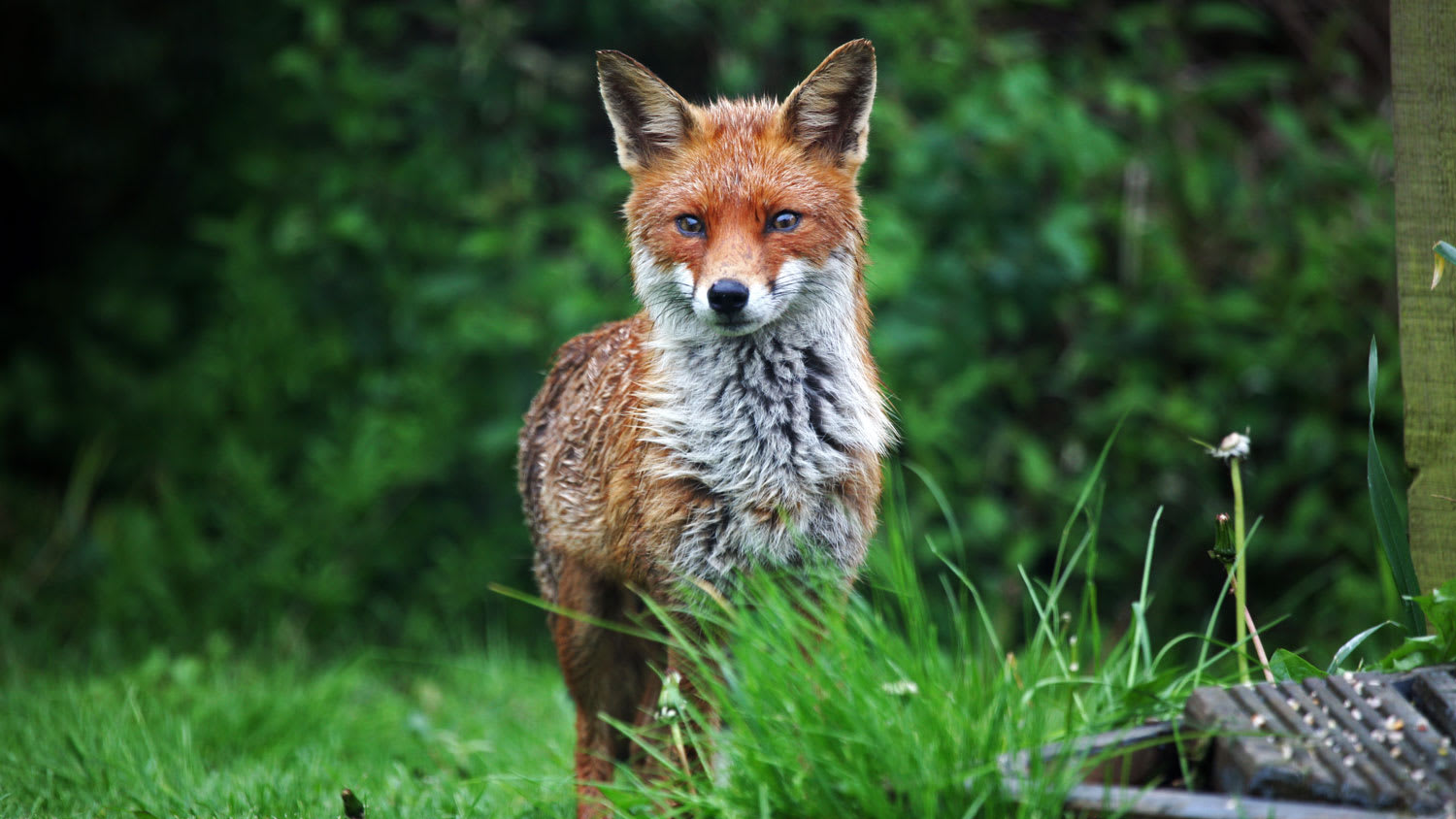
Foxes are primarily nocturnal, meaning you’re less likely to see one strutting onto your lawn in the middle of the day. However, daytime activity is more common if you have a female with her cubs on your property during the spring and summer. And you can see adaptable urban foxes at any time when regular food is available.

Moles breed once a year, marking March on their calendars as peak season. However, their breeding season can start as early as February and wrap up in May. Their gestation period is 4 weeks, with litters ranging from 2 to 6 little ones. They are considered all grown up by the three-month mark, making them ready for parenthood.

A raccoon may be hanging around your house for convenient access to food, water, or shelter. They may drink water out of puddles, pools, ponds, fountains, or your pet’s water bowls. Raccoons are also known to eat just about anything, including food from gardens and waste from unsecured trash cans.

The Pullman, WA homeowners’ guide to animal fencing services

From average costs to expert advice, get all the answers you need to get your job done.