

Top-rated excavation pros.

Get matched with top excavation pros in Long Beach, WA

Enter your zip and get matched with up to 5 pros

Need a pro for your excavation project in Long Beach, WA?

Select your specific project to find the pro for you.

Find Excavation pros in Long Beach

Avatar for TMR Excavation
TMR Excavation
New to Angi
Excavation - Major Grading or ReslopingBuilding Site - Preparation and ClearingBuilding Site - Preparation and Clearing - For Business+2 more

Serving Long Beach, WA and surrounding areas

Approved

Free estimates

Emergency services offered

Warranties offered

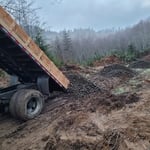
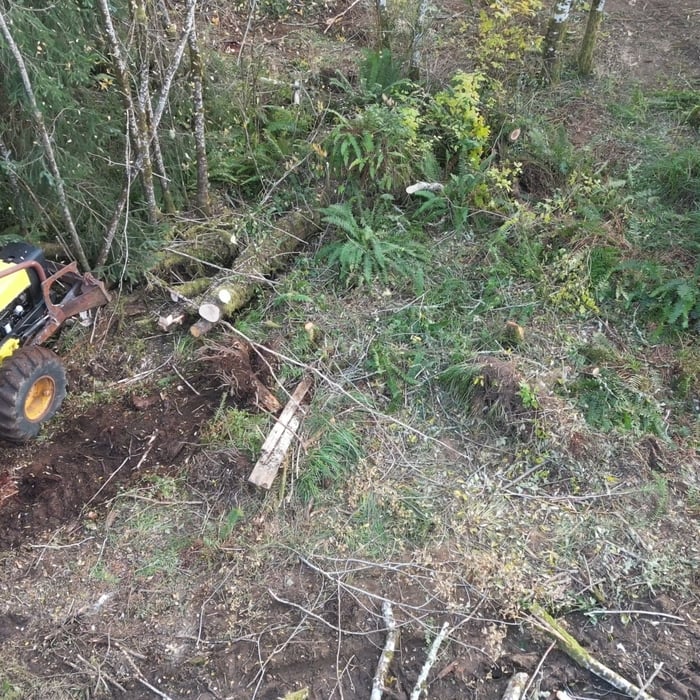
TMR Excavation LLC is a locally owned excavation company serving Southwest Washington with affordable, high-quality dirt work. We specialize in residential projects including Site prep, Shop pads, Driveway installs, land clearing, grading, trenching, drainage solutions, brush removal, and more. With 10 years of experience working for top regional contractors in both heavy civil and residential jobs, we bring the experience to the private sector — offering honest service, transparent process, expert results, and a job done right. From the first estimate to the final grade, we take pride in getting your project done for you!

1 neighbors recently requested a quote
Avatar for COR DEMOLITION LLC
COR DEMOLITION LLC
5.0(
30
)
Building Site - Preparation and ClearingBuilding Site - Preparation and Clearing - For BusinessLandscape - Minor Grading or Resloping

Serving Long Beach, WA and surrounding areas

In business since 2025

Free estimates

Credit card accepted

"Jared is a very professional and helpful contractor, his prices are very accessible, he went beyond his scope, assisting on getting permits, asbestos testing, and how to properly dispose of them, definitively I recommend COR demolition LLC for a demolishing project and more. Thank you Jared for your excellent work"
Profile Picture
Response time9 hrs
Response rate100%
Avatar for All County Plumbing LLC
All County Plumbing LLC
4.7(
56
)
Building Site - Preparation and ClearingBuilding Site - Preparation and Clearing - For BusinessExcavation - Major Grading or Resloping+2 more

Serving Long Beach, WA and surrounding areas

In business since 1994

Free estimates

Emergency services offered

"It went very well. It has been working just great and I didn't have to replace it. He was very helpful and I now have hot water. The woman on the phone I spoke with seemed very helpful as well. I will call them when I need a new water heater. I only had to pay for a service call and 2 small parts which is great."
Additional Photos
Additional Photos
Additional Photos
Recommended by92%of homeowners
Showing 1-10 of 20
Excavating questions, answered by experts

The digging depth will depend on the size of the trencher you use. Even smaller units can dig up to 4 feet deep, which is plenty for a DIY job. However, much larger trenchers can reach a depth of 18 feet and are better used by a team of pro contractors, not a single DIYer. As with all home improvement projects, use the right tool for the job and proceed with caution.

Water lines are buried at various depths, depending on the type of line. For example, most sprinkler lines are buried between four and 12 inches underground. On the other hand, water mains usually sit between one and 3 feet below ground. However, they can go even deeper in cold climates to prevent freezing.

If you don’t wish to dig it out and convert it into a finished basement, you can still encapsulate your crawl space to protect it from damage for an average cost of $5,500. Finishing a crawl space beyond this isn’t really worthwhile, as the low ceilings mean you won’t be able to use the area as living space.

A trench that is less than 5 feet deep often doesn't require a protective system. Most residential trenches will not go this deep (the typical residential drainage trench is just 18 inches deep). In the event that an excavator needs to dig more than 5 feet beneath the surface, a protective system is required unless the excavation is in entirely stable rock.

As a general rule, the protected area should be about 1½ times as wide as the canopy of the tree’s leaves. This digging measurement can vary by tree species and the age of the tree. Of course, that can be a lot of fencing for larger trees, which is why our first step is about making difficult decisions on which trees to save.

The Long Beach, WA homeowners’ guide to excavation services

From average costs to expert advice, get all the answers you need to get your job done.