"The job was a complete remodel from floor to ceiling. We replaced tile and carpet with engineered hardwood, gutted and remodeled 2 bathrooms, new kitchen cabinets, countertops, backsplash and appliances. Updated plumbing and electrical, removed walls, scraped popcorn ceiling added can lighting and painted. The job also included all new solid wood doors throughout, and new trim and molding. I would recommend Green Hills Construction in a heartbeat! I was kept in the loop throughout and the end result is awesome."
"Great crew! Friendly. Showed up on time and worked until completed. I'm very happy with the cost and the work. I will recommend this company to my friends."
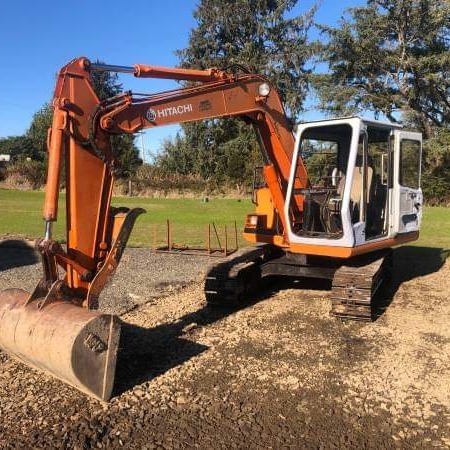
"Respectful, courteous and accompanying. He even took the time to explain to my children the tools/machines he was using and during the job a couple of changes came up and he had no problem getting these done."
"Dirt Road Excavation & Debris, LLC verry kind and considerate. Trevor and Daniel were on time and so thoughtful. They got the job done faster than me making the mess. I so appreciate these two. Their a life savor. Thank you!"
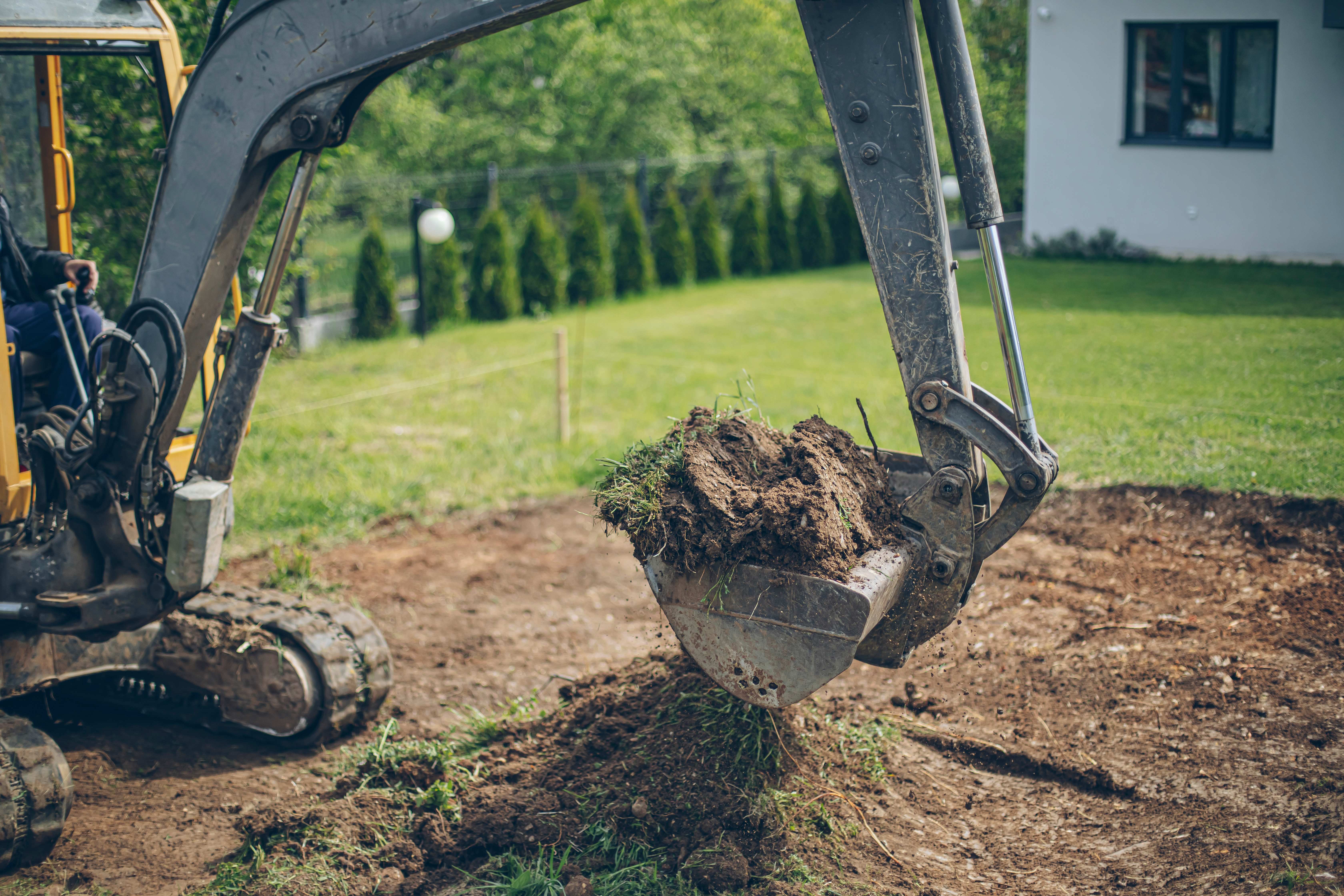
"Nice guy. Hard worker. Charged less than initial bid. Did a great job. Was on time. Finished hour early so cost was less than original bid. He excavated property, got rid of blackberries, put all in neat piles for future burning."
"The project was demolition of an old swimming pool to code and filling it in with dirt. Ray is a hard-worker, never complained about the 100+ degree weather, reliable, finished the project in the amount of time proposed, gave a fair price and made my life easy. Project required extra (unforeseen) equipment and he actually split the extra cost with us instead of making us pay the full extra amount. Would use him again and recommend him."
"We actually had Bellos Construction do considerably more than just a bathroom remodel. Additional work included installing flooring, installing insulation and drywall, demolition work, roofing repair, etc. Overall the experience was good. Jose is very responsive and helped me out quite a bit dealing with renovating and repairing an older house that was not properly taken care of by the previous owners/renters. The only real issue we had was confirming the materials that would be installed in the bathroom (i.e., fixtures, etc). There was some miscommunication there that probably was not helped by the fact we are out of state and trying to manage a construction project. One thing that stood out about Jose was his willingness to help out with things that didn't fall under his contractual obligations. For example, he helped me transport a water tank when he didn't need to do so. If we have a need for services that Bellos Construction offers, then we will definitely consider them in the future given our experiences with them."
"Nick and his crew were timely, no surprises. Got the job done as scheduled. Neat & tidy. I'd use them again without hesitation. I always check the CCB history before hiring any contractor, and Nick's CCB is clear with no clouds."
The best type of soil to build on is a mixture of sand and clay, known as loam soil. Loam soil has the best combination of these soil types to build a foundation on. The clay particles help with water retention, so it won’t erode like sandy soil might, and the sandy particles help with drainage, so you won’t see unsafe soil expansion or have an increased risk of leaks from water sitting against your foundation.
The best way to protect tree roots is to avoid the roots entirely by excavating outside the root radius of the tree. For nearby projects, it’s a good idea to construct a temporary retaining wall. But that’s not always possible, depending on the project and the root system. In these cases, consider using alternative equipment like an auger to tunnel under the ground.
Remember, tree roots can damage nearby cement foundations as they grow. If a tree is close enough to interfere with large excavations, it may be better to remove the tree than risk future problems.
Yes, an excavation company is the best option for land grading and yard leveling. General landscapers might be able to tackle these projects, but an excavation company will do a better job because they’re used to operating the necessary heavy machinery. Landscapers might opt to do the work manually, which takes much longer and could cost you more in labor fees. Finally, excavation companies will understand local regulations and know when you need permits to legalize the work, while a landscaper might not.
Digging a bush up by the roots is the most natural DIY method for removing a bush stump. Start by identifying the shrub type and revealing its roots. Cut the shrub to its base and loosen the soil, ensuring no utility lines are nearby. Optionally, treat the base with herbicide, then dig around the roots and cut a circle around the shrub using various tools. Dig a trench, cut the base of the root ball, and finally fill the hole to prevent regrowth. This thorough process ensures complete removal without damaging surrounding areas.
Water lines are buried at various depths, depending on the type of line. For example, most sprinkler lines are buried between four and 12 inches underground. On the other hand, water mains usually sit between one and 3 feet below ground. However, they can go even deeper in cold climates to prevent freezing.
The Hammond, OR homeowners’ guide to excavation services
From average costs to expert advice, get all the answers you need to get your job done.
Excavation costs $1,500 to $6,300 for most residential projects—but it depends on factors like the size of the area. This guide will help you plan a budget.
You can't have an in-ground pool without digging into the ground. How much does pool excavation cost, and can you take it on yourself? Our guide explains.
Picking the right pro can make or break your project. Learn how to hire an excavation pro with the qualifications and skillset to do the job efficiently.