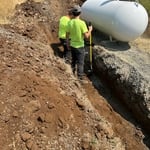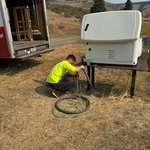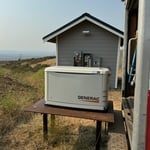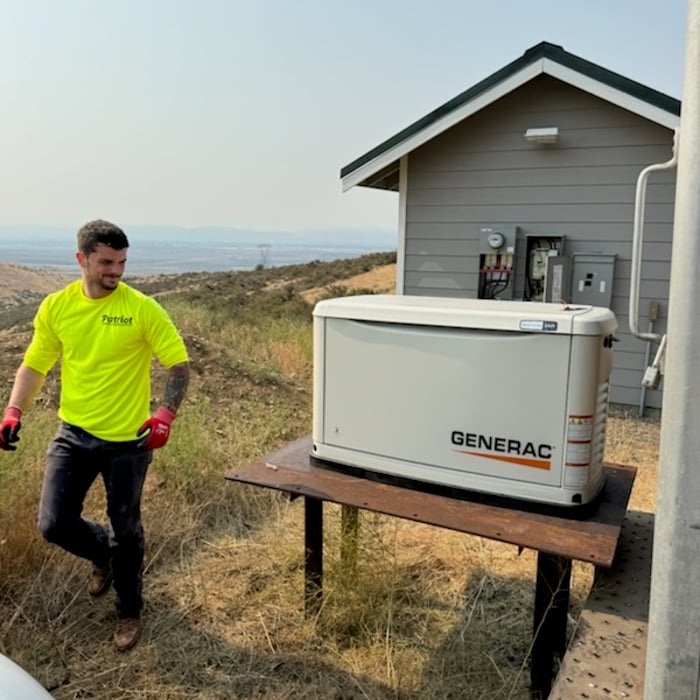




At Patriot Plumbing, Heating, and Cooling, our journey began with a deep-rooted passion for delivering top-notch home services and a desire to make a tangible difference in our community. After recognizing the need for reliable and trustworthy plumbing, heating, and cooling services in the area, we decided to take a leap of faith and start Patriot. With a background in the trades and a commitment to excellence, we built our business on the principles of hard work, honesty, and customer-first service. Over the years, we've grown from a small, local operation to a trusted name in the industry, serving countless satisfied customers who know they can rely on us for all their home comfort needs. Our mission remains the same: to provide expert services with integrity and a personal touch that sets us apart.
Empire Well Drilling LLC is your go to for all of your drilling needs. We work tirelessly to meet and exceed your expectations and constantly strive for perfection. Give us a call today and elts get started!
Replacing a water softener costs $200 to $6,000, depending on the capacity of the water softener, the type of water softener, and the amount of people living in your home. An ion exchange water softener is the most common type and costs $500 to $3,000. Water distillers, which cost $1,200 to $4,000, and dual-tank models, which cost $1,000 to $5,000, are definitely pricey, but they offer more filtration or capacity, respectively.
No, hard water isn’t dangerous. The added calcium in hard water can contribute to good bone health. However, it can also cause dry skin and hair. If you have dry skin or hair, consider using a water-softening system to help minimize the minerals in your water. Plus, these systems can also add some sodium to your diet.
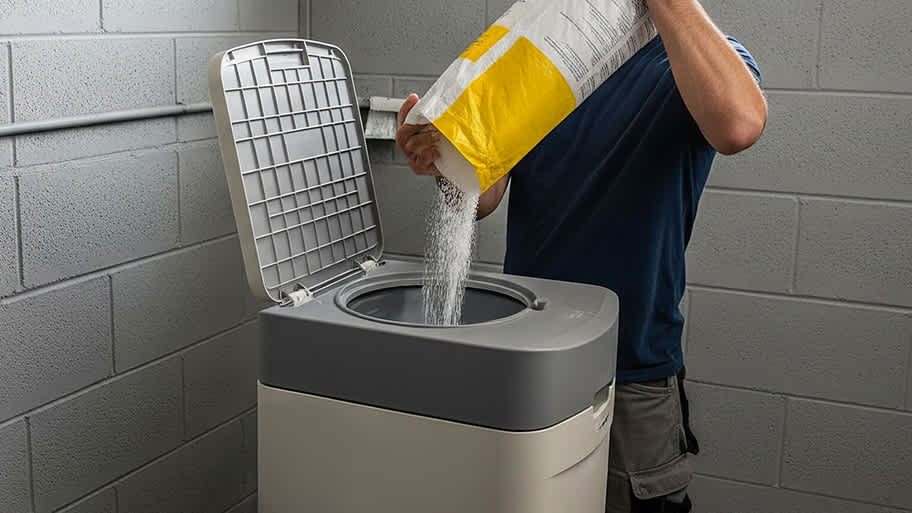
You can install a water softener system by turning off the water supply, draining the water, and then connecting your device to the waterline. Next, you’ll fill your tank with the recommended amount of salt or brine (whichever your unit calls for; be sure to read the instructions). Turn the water supply on and check for leaks. You can opt to let your water run for a few minutes, then test it using strips.
The main difference between a water softener and a water filter is what they remove from the water. A water softener is specifically designed to remove hard minerals, while a filter removes a wider range of contaminants above a certain size, such as bacteria and other impurities. If your primary goal is to remove minerals, a softener is the best choice. If you want to remove various contaminants for safety or taste, a filter is more suitable. Filters are also typically less expensive to install. Depending on your water supply's specific issues, you may need to install both systems for comprehensive treatment.
Most of the U.S. has hard water, especially across portions of the West and Midwest. The areas with the hardest water include parts of Texas, Oklahoma, Kansas, Colorado, New Mexico, Utah, Wyoming, Illinois, North and South Dakota, Ohio, and New York. You’ll find soft water in parts of New England, the Southeast, the Pacific Northwest, and Hawaii.
The Chelan, WA homeowners’ guide to water softener services
From average costs to expert advice, get all the answers you need to get your job done.
Water softener repair costs can add up, but they’re almost always worthwhile. Use this guide to see what your project is going to cost before you get started.
There are four common softener alternatives available on the market today. We compare and contrast each one to help you find your best-fit solution in this blog.
Who repairs water softeners? You should be able to hire water softener repair and installation companies or plumbers to fix issues with these appliances.
Water softeners last up to 25 years, but maintenance, usage, and other factors can affect the life span. Learn more about how long water softeners last.