



Top-rated tree service pros.

Get matched with top tree service pros in Clarendon, VT

Enter your zip and get matched with up to 5 pros

Need a pro for your tree service project in Clarendon, VT?

Select your specific project to find the pro for you.

TRUSTED BY CLARENDON, VT HOMEOWNERS

  • Average homeowner rating star icon4.9
    Average homeowner rating
  • Verified reviews icon32
    Verified tree services reviews

Find Tree service pros in Clarendon

Avatar for D.R Guilmette Landworks
D.R Guilmette Landworks
New to Angi

Serving Clarendon, VT and surrounding areas

Approved

In business since 2010

Free estimates

Credit card accepted

D.R Guilmette Landworks has extensive experience working with various areas of land developing. From building site preparation, to new patios for an existing home, our company can do it all.

22 neighbors recently requested a quote
Avatar for Josh's Tree Service & General Contracting
Josh's Tree Service & General Contracting
4.9(
20
)

Serving Clarendon, VT and surrounding areas

In business since 2005

Free estimates

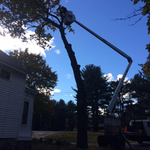
"The tree removal was done very efficiently and on time. They also supplied valuable information re the various trees on the property. We were very impressed with their knowledge and efficient work."
Maple tree removal
XX-large maple tree removal

+84

Response time12 hrs
Response rate85%
Recommended by100%of homeowners
Showing 1-10 of 42
Tree Service questions, answered by experts

Whether you grind or dig up and remove your tree stump depends on your landscaping goals. Using a stump grinder leaves the root system in place for it to decompose over time, whereas digging up the tree stump removes the roots and the stump. Overall, stump grinding is a far simpler process since you won’t need to deal with the roots. Stump removal will make your yard look like a demolition site, but you’ll have an easier time replanting in the same place as your former tree.

Dead trees are dangerous for several reasons. They are structurally compromised and prone to branch or trunk failure, which can pose a significant safety risk to people, vehicles, and nearby structures. Dead trees can also harbor pests like termites, which may spread to other trees or your home. If a tree died from a disease, it could spread the illness to healthy trees. Additionally, the dry wood is highly flammable, increasing fire risk.

Since each tree is different, it’s impossible to say how long a dead tree can remain on your property. While it could be days, months, or even years, it’s highly likely that, at some point, the tree will fall. In the meantime, dying or dead trees can become a haven for pests, so it’s best to have them removed sooner rather than later.

There are many signs that a tree is diseased or dying, and if you suspect that’s the case, you should call an arborist immediately. You might notice rot or fungus on the trunk or that the tree is beginning to lean to one side. Brittle branches or signs of root damage are other indicators that a tree is in trouble. If the tree is dying, it might be time to cut the tree down so it doesn’t fall.

How often and long you should water a tree depends on the species and if it is mature or newly planted. The amount of water is also based on the tree's size. A good rule of thumb is approximately 5 gallons per inch of the trunk's diameter.

Adjusting watering to the recommended suggestions for the tree type and weather conditions is vital. For instance, watering trees during a drought is necessary, and you may need to water more frequently than usual.

The Clarendon, VT homeowners’ guide to tree services

From average costs to expert advice, get all the answers you need to get your job done.