




Top-rated asphalt driveway pros.

Get matched with top asphalt driveway pros in Clarendon, VT

Enter your zip and get matched with up to 5 pros

Need a pro for your asphalt driveway service project in Clarendon, VT?

Select your specific project to find the pro for you.

Find Asphalt driveway pros in Clarendon

Avatar for Precision Concrete
Precision Concrete
4.9(
14
)
Concrete Driveways & Floors - Install- For BusinessConcrete Driveways - Install

Serving Clarendon, VT and surrounding areas

In business since 1998

Free estimates

Credit card accepted

"Fantastic work by fantastic people. They were friendly and professional from beginning to end, taking pride in their work, and explaining every step of the process, including best maintenance practices. We would recommend Precision Concrete a million times over!"
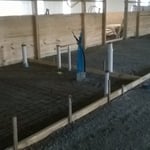
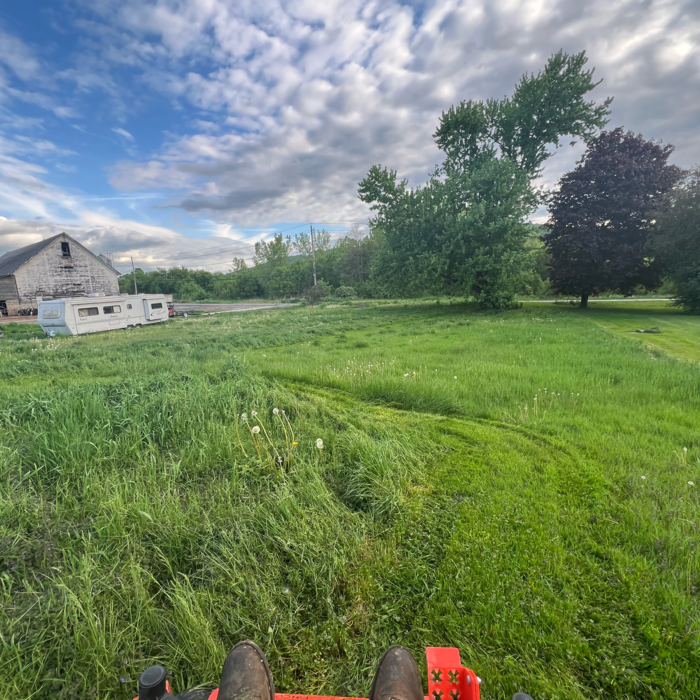
barn floor
Barn floor
Barn floor
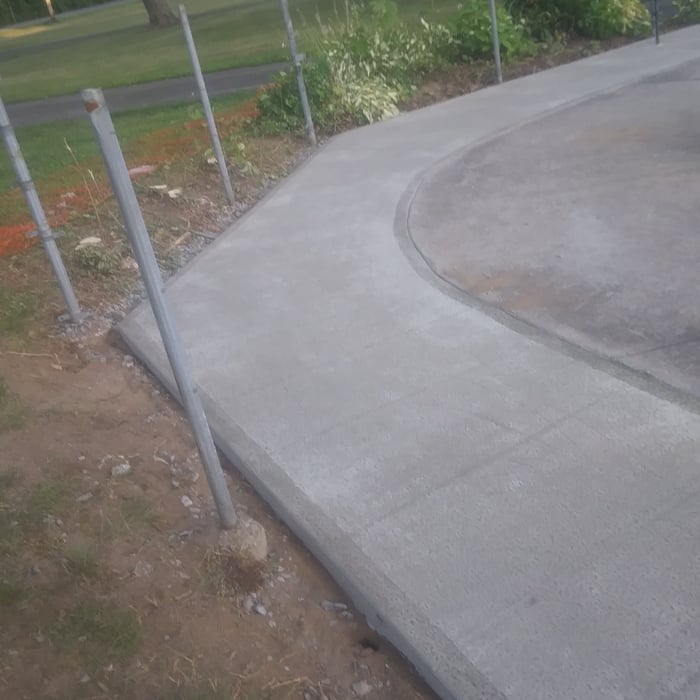
After
After

+31

Response time2 days
Recommended by100%of homeowners

Avatar for Mike D, Handyman
Mike D, Handyman
5.0(
2
)
Concrete Driveways & Floors - Install- For BusinessConcrete Driveways - Install

Serving Clarendon, VT and surrounding areas

In business since 1990

"Could not have gone better! Not only were the projects meticulously done and in great time (each was completed in the time frame he estimated) Mike is a terrific guy to work with. Honest and pleasant in addition to being skilled. And his rates are incredibly reasonable given the quality of work. That’s a winning combo right there!"
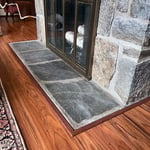
Floor After
Floor Before
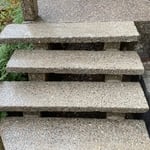
Stairs After
Steps Before
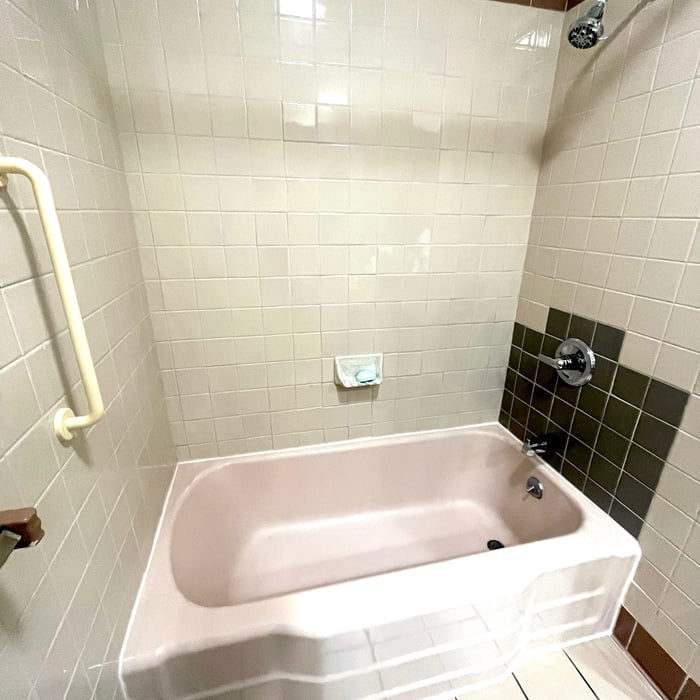
Bathroom After

+4

Recommended by100%of homeowners
Showing 1-10 of 34
Asphalt Driveways questions, answered by experts

Driveways should be sloped with a minimum 2% slope—anything lower will cause precipitation and runoff to collect. A 2% slope is the equivalent of a 2-foot rise over 100 feet. One quick way to check the integrity of your driveway’s slope: no more than four inches of water should collect on the surface longer than 15 minutes after rain.

Like all driveway materials, asphalt can crack in the wrong conditions and with age. Many things can cause asphalt to crack, including shifting soil or settling under the foundation. Other common causes are driving oversized vehicles on the asphalt, tree roots, and using rock salt during the snowy season. Proper installation and sealing the driveway every 10 years can help prevent cracks.

Asphalt and tarmac are not the same thing. Traditional tarmac, short for tarmacadam, uses tar as a binder to hold crushed stone together. Asphalt uses bitumen—a byproduct of crude oil—to bind aggregate. Though tarmac was once a go-to for roads, asphalt has become the modern standard. And these days, most surfaces referred to as “tarmac” are actually asphalt. So, while the names may overlap, the key distinction lies in the binder—tar for tarmac and bitumen for asphalt.

In terms of durability, concrete driveways can last more than 50 years when properly maintained, compared to the typical 30 years for an asphalt driveway. However, the durability depends on the climate, base material and thickness, and thickness of the concrete or asphalt used. The longevity of concrete or asphalt driveways also depends on how well it’s maintained and the amount of wear and tear it endures.

Several materials are suitable for steep driveways. Gravel and crushed stone are affordable options that provide good traction. Permeable pavers—such as plastic, rubber, or concrete—filled with gravel or crushed stones are also excellent, as they allow water to drain without causing erosion and perform well in ice and snow. Another option is resin, which can be coated with an anti-slip finish and helps prevent puddles. For added stability, you can install a retaining wall to prevent pavers and gravel from shifting over time.
The Clarendon, VT homeowners’ guide to asphalt driveway services

From average costs to expert advice, get all the answers you need to get your job done.