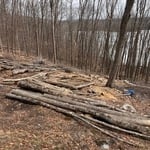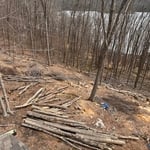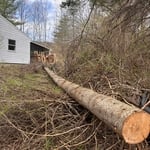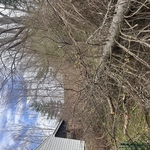




Top-rated tree service pros.

Get matched with top tree service pros in Killington, VT

Enter your zip and get matched with up to 5 pros

Need a pro for your tree service project in Killington, VT?

Select your specific project to find the pro for you.

TRUSTED BY KILLINGTON, VT HOMEOWNERS

  • Average homeowner rating star icon4.9
    Average homeowner rating
  • Verified reviews icon33
    Verified tree services reviews

Find Tree service pros in Killington

Avatar for Rocky Oaks
Rocky Oaks
New to Angi
Tree TrimmingTree Trimming - For Business

Serving Killington, VT and surrounding areas

Approved

In business since 2010

Free estimates

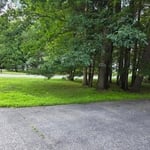
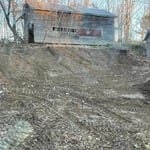
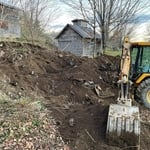
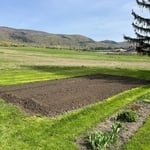
We take great pride in our experience, expertise, quality, and customer service that we provide to meet the consumer's needs. It is our mission to provide excellent workmanship and complete customer satisfaction from start to completion of a project. We specialize in all your outdoor needs from excavating, grading, and demolition. Our reputation is based on service, safety, and quality, regardless of how large or small the job.\n\n

After
Before
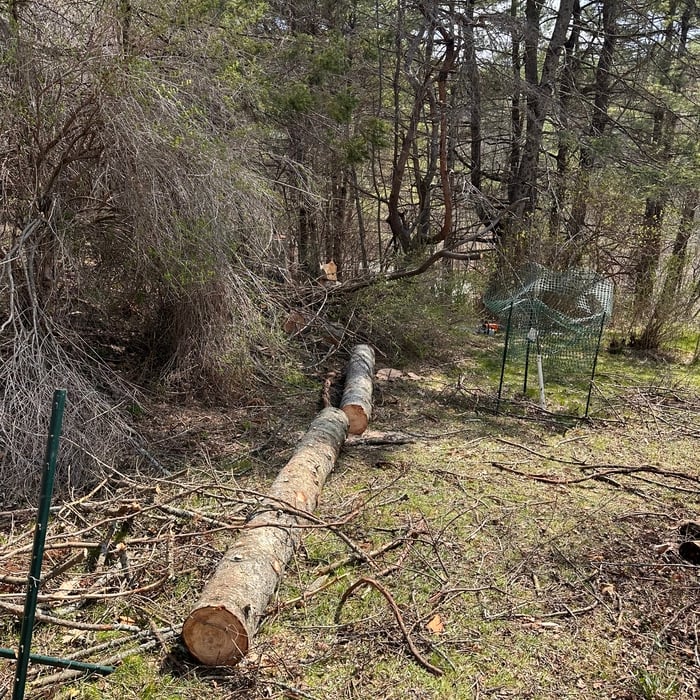
After brush hogging
A nice rototilling for a garden!
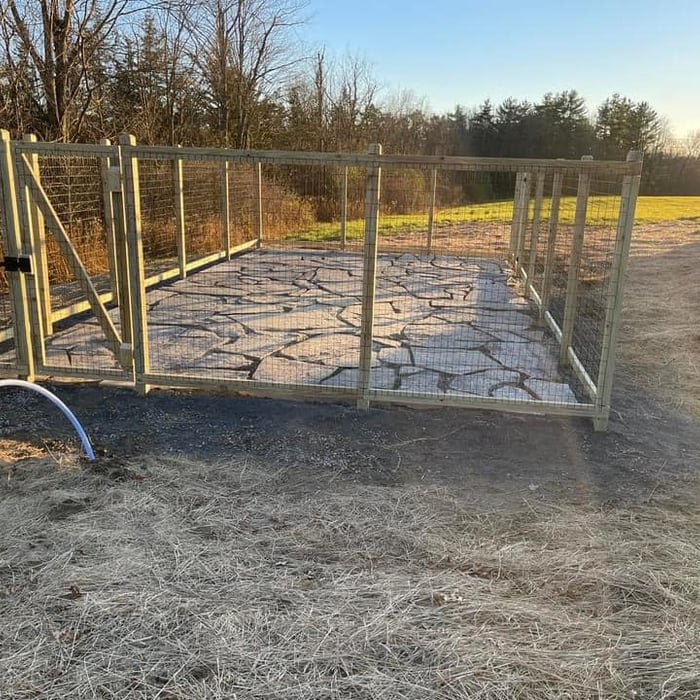
Fence done for a garden

+3

Response time4 days
Avatar for Family Tree Removal & Services
Family Tree Removal & Services
4.9(
4
)
Tree RemovalTree Removal - For BusinessTree Trimming+1 more

Serving Killington, VT and surrounding areas

In business since 2017

Free estimates

Emergency services offered

"From the first time I called them, Jillian was so pleasant and helpful. Meeting Michael was a pleasure and he was so willing to work with us to get the job done. You won't be disappointed when you hire Family Tree Removal & Services."
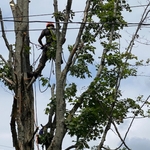
Power Lines
Time To Come Down!
S. Royalton Municipality Job
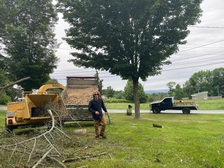
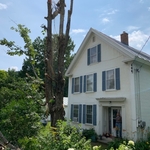
Massive Tree Very Close to the Home Owners House
Dead tree posing a risk to a shed that had sentime

+4

Response time3 days
Recommended by100%of homeowners
Showing 1-10 of 50
Tree Service questions, answered by experts

In most cases, you should not use a pruning seal on trees after trimming. Applying a sealant can interfere with the tree's natural healing process, and it does not guarantee protection from pathogens. Instead of sealing the cut, the best practice is to support the tree's natural recovery by providing it with plenty of water and a dormant-style fertilizer. However, there are exceptions. Pruning seals may be recommended for very vulnerable species, like elm trees, in areas where dangerous diseases such as Dutch elm disease are prevalent. In these specific situations, the protection offered by a sealant can outweigh its downsides. For advice tailored to your situation, especially after cutting large branches, it is best to consult a local tree trimming professional.

If your palm tree has spots on the leaves, rotting buds, or is beginning to turn yellow, then you have a sick tree on your hands. You should contact a palm tree specialist to identify the problem and help treat the tree if possible. Preventing diseases and pests is key to a healthy palm tree, and it's essential to take action as soon as possible if your tree is showing signs of being sick.

In most ways, palm trees are incredibly low-maintenance. They don’t need a ton of water—which is why they’re so beloved in desert regions—and they basically prune themselves. But they do need an ample supply of sunlight and to be in soil that will allow for proper drainage so that their roots don’t become waterlogged and at risk of developing illnesses.

If the plant begins to wilt, develop spots, or change color, these could all be signs that your palm tree has a disease. But a few basic treatments, like pruning and applying fungicide, will usually be more than enough to return it to perfect health.

If you’re wondering whether you can plant a tree where the stump was removed, know that the soil conditions won’t be ideal, so you should avoid it. The soil beneath the previous tree will likely be depleted of nutrients, plus there may be roots left behind that will seriously hinder the growth of a new tree. Also, if you use salt or other chemical solutions to kill the stump, these can linger in the soil for months or even years and prevent healthy growth. It’s best to choose a different spot that’s at least three feet away for a new tree, or wait at least a year and thoroughly amend the soil before you plant.

No, homeowners insurance typically does not cover the cost of removing a dead, sick, or rotting tree that is still standing. Insurance is designed to protect against sudden and unexpected accidents, whereas a tree dying or rotting over time is considered a maintenance issue. Coverage usually only applies after a tree has fallen and caused damage to your property.
The Killington, VT homeowners’ guide to tree services

From average costs to expert advice, get all the answers you need to get your job done.