

Top-rated arborists.

Get matched with top arborists in Clarendon, VT

Enter your zip and get matched with up to 5 pros

Need a pro for your arboricultural service project in Clarendon, VT?

Select your specific project to find the pro for you.

TRUSTED BY CLARENDON, VT HOMEOWNERS

  • Average homeowner rating star icon4.5
    Average homeowner rating
  • Verified reviews icon42
    Verified arboricultural services reviews

Find Arborists in Clarendon

Avatar for D.R Guilmette Landworks
D.R Guilmette Landworks
New to Angi

Serving Clarendon, VT and surrounding areas

Approved

In business since 2010

Free estimates

Credit card accepted

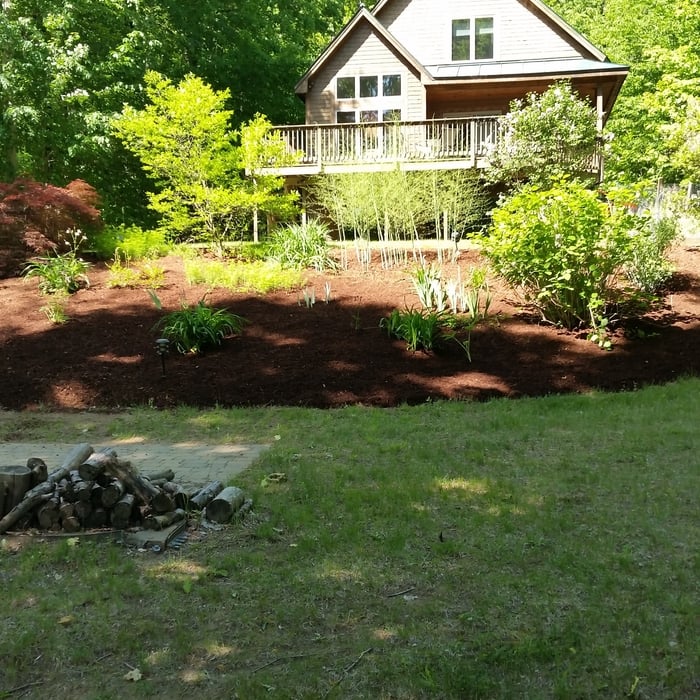
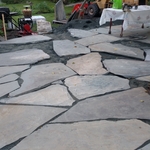
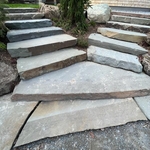
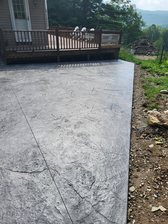
D.R Guilmette Landworks has extensive experience working with various areas of land developing. From building site preparation, to new patios for an existing home, our company can do it all.

22 neighbors recently requested a quote
Avatar for Mike Massey Logging & Excavating
Mike Massey Logging & Excavating
5.0(
5
)

Serving Clarendon, VT and surrounding areas

In business since 2001

Free estimates

Emergency services offered

"It was outstanding service. He was really a reliable guy. He finish pretty intense project and he was very creative and run excavating like a professional. Price was pretty good and outstanding quality. He follows up and stays there until job done. He gave heads up when he's coming. Very professional and runs a clean business and takes it seriously."
Additional Photos
Additional Photos
Additional Photos
Additional Photos
Additional Photos

+6

Recommended by100%of homeowners
Showing 1-10 of 41
Arborists questions, answered by experts

Hiring an arborist or tree surgeon is usually more expensive than a standard tree company, but it is often worth the investment. Arborists have education and certifications that standard companies typically lack, leading to a more professional, expert-level service. Their expertise is particularly valuable for diseased or infested trees, as they can ensure safer removal and help prevent the issue from spreading. Additionally, arborists may be necessary for work near power lines, as uncertified companies are often not permitted to service these trees. If your goal is to preserve the health of your trees, an arborist is the best choice. Their services, such as stump grinding, are also performed with greater expertise to ensure a safe depth that won't cause your lawn to collapse over time.

It is possible to cut down a tree on your property yourself, but it is generally not recommended unless specific conditions are met. You should only consider this project if the tree is small (e.g., under 4-5 inches in diameter and short enough that you don't need a ladder to reach the branches), and you are experienced in handling a chainsaw. The tree must also be located far from any power lines, fences, homes, or other structures. Even for small trees, the work can be dangerous, and it's always advisable to have a spotter to ensure the tree falls correctly and no branches fall on you.

For any tree that is large, requires a ladder to access, or is near electrical lines or structures, you should always hire a professional. Attempting to remove a large tree yourself is extremely dangerous, poses a risk of serious injury, and could result in significant damage to your property.

Before any tree removal, it's also important to check your local and state regulations to ensure the tree is not historic or otherwise protected by your city.

Yes, pruning makes trees stronger because it fosters proper growth, weight distribution, and balance of the crown. By increasing the structural integrity of the tree through pruning, it’s less likely to experience disease, pests, broken limbs, and storm damage. Pruning the right branches and limbs is key to improving a tree’s strength and balance.

Yes, it’s okay to trim low branches on a tree, also known as limbing up or raising the crown. Essentially, you’ll trim the lower third of the tree (trunk) and leave the upper two-thirds of the tree (crown). Arborists recommend trimming 20% of a tree’s leaves per season for two to three seasons. Trimming low branches allows light to flow through the tree, increasing circulation and making the tree stronger and healthier.

For safety reasons, leaning trees are best removed by a professional, as they may often tear away from the hinge, causing you to lose control over where the tree falls. If you choose to cut down a tree leaning slightly, avoid cutting off root protrusions before you start. Make your hinge a little longer than usual by cutting it deeper (up to 30% of the diameter) and applying a wedge into the felling cut on the side the tree is leaning. Stand away from the direction the tree leans while making your felling cut.

The Clarendon, VT homeowners’ guide to arboricultural services

From average costs to expert advice, get all the answers you need to get your job done.