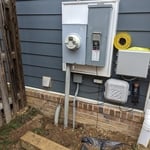
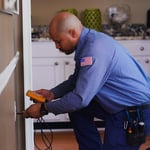
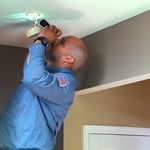
"I have been hiring Cody Malone since we purchased our house in July 2012. They have switched out outlets, installed indoor ceiling fans, installed outdoor ceiling fans, ran electrical to my outdoor water feature and switched out my light fixtures. I plan to hire them again when I add electric to my detached garage. They always do a great job and arrive when they say they will. I have never had a single issue and they have been to my house for no less than six different projects!"
"I had an excellent experience with Kevin. He installed a very large and complex crystal chandelier in our foyer, and the entire process was handled with exceptional professionalism and precision. This was not a simple installation,the chandelier is heavy, intricate, and required careful assembly and mounting at a significant height,but he approached the job with patience, attention to detail, and clear expertise.
He took the time to ensure every component was perfectly aligned and secure, and the final result looks absolutely stunning. The installation was done safely, efficiently, and with great care for our home.
I would highly recommend him to anyone needing electrical work, especially for challenging or high-end lighting installations. Truly outstanding workmanship."
"Prompt service! Andy is an awesome and patient technician! Root Electric saved my sanity and saved me money. I will definitely be using Root Electric for any future electrical needs!"
Benfield Electric Company is an area leader in the Electrical Service field, serving customers throughout Northern Virginia, Maryland, and D.C. We work with residential and commercial clients and pride ourselves on our capability to meet all types of electrical wiring demands and deadlines. Established in 1968, we are a licensed, bonded and insured class A Electrical contractor. We are focused on providing a wide array of services to meet all our customer's needs
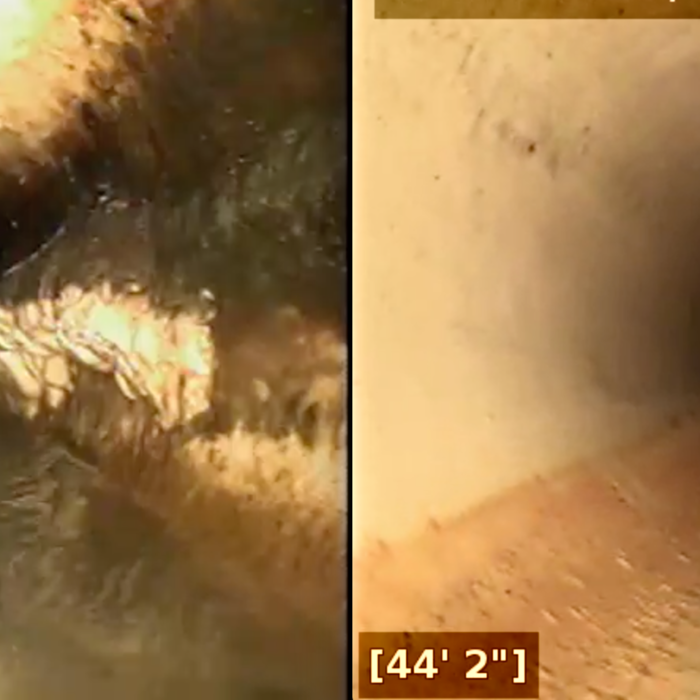
"They are sewer and drain specialists and they do it really well. Reasonable prices, responsive service. We had family visiting and they moved schedules to and to us. We're grateful that they did so."
Stinnett Electrical Services, is committed to excellence in every aspect of our business. We uphold a standard of integrity bound by fairness, honesty, and personal responsibility. Our distinction is the quality of service we bring to our customers. Accurate knowledge of our trade combined with ability is what makes us true professionals. Above all, we are watchful of your interests and make your concerns the basis of our business.
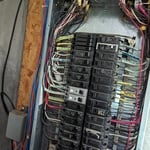
"Assessment : 1) Internal: Electrical Panel Update:Workmanship -Excellent! External: Installation of Grounding Poles: Not Completed in a Timely Fashion. 2) Customer Service Department: Excellent! Kept me informed and addressed my needs in a swift caring manner. Very Professional! I knew I could rely on what ever promise which was made concerning inspection dates and times and final project completion."
M.E. Flow offers FREE in-home consultations for replacement HVAC systems and we are an authorized dealer of most major brands. Established in 1951 by Millard Edward Flow we remain family owned. Replacing your HVAC system and water heater is a big investment. When you go with M.E. Flow your satisfaction is guaranteed. We do not install customer supplied equipment, do new construction, or give quotes over the phone. We send a professional home comfort advisor to your home--even meet you after hours. During your home visit we will design you the perfect system, answer all your questions, and get your system in the family budget. Financing and/or rebates are typically available. Qualified Staff: You get a team of professionals, NATE certification means your getting the best. Company employees are required to pass a background investigation which include a criminal records check and drug testing. We also offer the best guarantees.
An undersized whole-house generator has the potential to overheat and shut down when you try to run a central AC system. This scenario can not only damage the whole-house generator, but can also trip your home’s breakers or cause electrical damage. To avoid this situation, hire a local generator installer to correctly size your whole-house generator.
A 1,500 square foot home will likely need a 15kW to 20kW generator. When deciding on whole-house generator size, add up the total wattage of the devices that you’d like to continue running during a power outage. That way, you can ensure you purchase a generator that can power your necessary appliances or medical equipment during an electrical emergency.
Generators are usually sized by running watts and starting watts. Ideally, you’ll want a generator that can offer both the necessary running watts and starting watts for everything you need to power without going beyond 90% of its capacity. Calculate your home’s electrical load based on the breakers in your home or adding up the appliance and lighting needs of connected rooms.
Energy output depends on turbine size, average wind speed at your site, and system efficiency. A 5 kW turbine in a good wind location can generate 8,000 to 12,000 kilowatt-hours per year, which may cover a large portion of an average home’s needs. Accurate output estimates require a professional wind assessment and a review of your household’s energy usage patterns.
You can determine what size generator you need for a transfer switch by matching the switch to the largest outlet on your generator. Larger generators can power up to 10 circuits, while most 5,000-watt generators can provide power to six circuits. So, if your generator’s largest outlet is 30 amps, you’ll need a 30-amp transfer switch.
The Dumfries, VA homeowners’ guide to generator installs
From average costs to expert advice, get all the answers you need to get your job done.
The cost to install a whole-house generator in Washington, DC varies based on factors like generator size, fuel type, and installation complexity. Learn the typical price range and what influences your total cost.
Generators should give you peace of mind, but you’ll only get that if your installer knows what they’re doing. Learn how to hire a pro and what red flags to look for.
Thinking about a generator installation? Learn about backup power options, costs to expect, and how to hire the right local pro to keep your home running.