





Top-rated energy efficiency auditors.

Get matched with top energy efficiency auditors in Covington, VA

Enter your zip and get matched with up to 5 pros

Need a pro for your energy efficiency auditing project in Covington, VA?

Select your specific project to find the pro for you.

Find Energy efficiency auditors in Covington

Avatar for Earth Right Mid-Atlantic
Earth Right Mid-Atlantic
3.8(
18
)
Home Energy Audit

Serving Covington, VA and surrounding areas

Approved

In business since 2012

Free estimates

Credit card accepted

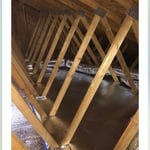
"Earth-Right Mid-Atlantic ha s done two installations. The first was to install a Solar System on our home in July 2019 and the second was to insulator attics with Earth-Shield. The Solar Panel has reduced my monthly bill to $8.33 per month for the last year. The bill is for the Chesapeake Utility Tax. The system works flawlessly. The Earth-Shield was suggested by Earth Right Mid-Atlantic's salesman Corey Argentino. I has explained that we were experiencing imbalances in heating and cooling zones in the house. He suggested a product Called Earth-Shield and the too hot and too cold zones all disappeared. The house now has better and a more uniform heating and cooling result. The Heating Ventilating and AirConditioning systems do not run as frequently. Great Job."
Energy Efficiency Completed Projects

+35

Response time1 day
Response rate85%
97 neighbors recently requested a quote
Avatar for Renewable Engineered Systems
Renewable Engineered Systems
4.7(
12
)
Energy Audit - For BusinessHome Energy Audit

Serving Covington, VA and surrounding areas

In business since 1998

Free estimates

Emergency services offered

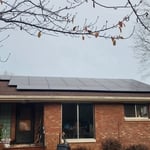
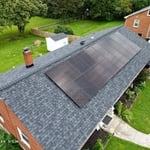
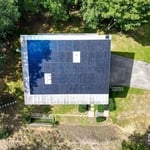
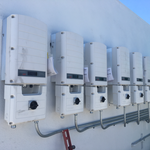
"Wonderful, it was a very quick and easy process. Brian talked us through it and in no time we had a 3KW system mounted on a frame in the garden and the invertor installed in the basement. Brian talked us through working with our power company to get the system checked and approved and we now get credits from the power company for power we provide to the grid. In addition we are set up to get Solar Renewable Energy Credits (SRECs) payments for providing clean energy. We also got a free Energy Audit which helped locate some problems areas we were able to fix. The system has basically cut our energy costs in half. I have hesitation in recommending them to anyone interested in solar energy."
Additional Photos
Additional Photos
Additional Photos
Additional Photos
Additional Photos

+14

Recommended by100%of homeowners
Energy Efficiency Auditing questions, answered by experts

Some types of electric fireplaces use more electricity than others. Models that produce 1,500 watts will have more of an effect on your heating bill than 750-watt models. 

Electric fireplaces use an average of $1.85 of electricity every eight hours. These minimal operational costs aren’t likely to make a big difference in your electric bill—unless you’re using it as a primary heating source for your home and it’s running most of the time.

To determine the right size generator for your house, you should calculate the total wattage of the appliances and devices you want to power during an outage. List all essential items, note their start-up wattages, and add them together.

Here are some typical wattage requirements for common appliances:

  • Refrigerator: 600 watts

  • Large dehumidifier: 700 watts

  • Large window air conditioner: 1,400 watts

  • Water heater: 3,000 to 4,500 watts

  • Electric furnace: 5,000 to 25,000 watts

A 7,500-watt generator might be sufficient for essentials like a refrigerator, freezer, well pump, and lighting circuits. However, for high-demand items like a water heater or furnace, a whole-home generator is a better choice. A portable generator may be enough if you only need to power a few critical items.

While home square footage can offer a rough estimate, it is not always a reliable indicator. For reference, here are some typical generator sizes based on square footage:

  • 1,000 sq ft: 6–9 kW

  • 1,500 sq ft: 7–10 kW

  • 2,000 sq ft: 10–14 kW

  • 2,500 sq ft: 12–16 kW

  • 3,000 sq ft: 16–20 kW+

For the most accurate sizing, consult a professional who can calculate your home's peak and average power consumption and recommend the optimal generator.

To find a reputable home energy auditor, start by researching local companies that offer the service and check their reviews, methods, and certifications. The most reputable professionals are often Home Energy Professional (HEP)-certified by the Building Performance Institute (BPI). You can also consult the Department of Energy’s certified list of energy auditors or use a state licensing tool to review local guidelines and ensure you are hiring a certified professional for your area.

Attic and whole-house fans improve a home's energy efficiency and comfort. They ventilate hot air from the attic, which reduces peak cooling loads, lowers reliance on air conditioning, and decreases indoor temperatures. This improved air circulation and expedited heat exit helps lower cooling costs, balance moisture levels, and enhance overall natural airflow, contributing to the efficient operation of other home equipment.

Yes, installing an attic fan can help lower your electric bill—particularly if you live in a hot and humid region. By replacing hot and stuffy air with cooler air, these fans help regulate the temperature in your attic and the rest of your home, taking some of the pressure off of your air conditioner.

The Covington, VA homeowners’ guide to energy efficiency auditing services

From average costs to expert advice, get all the answers you need to get your job done.