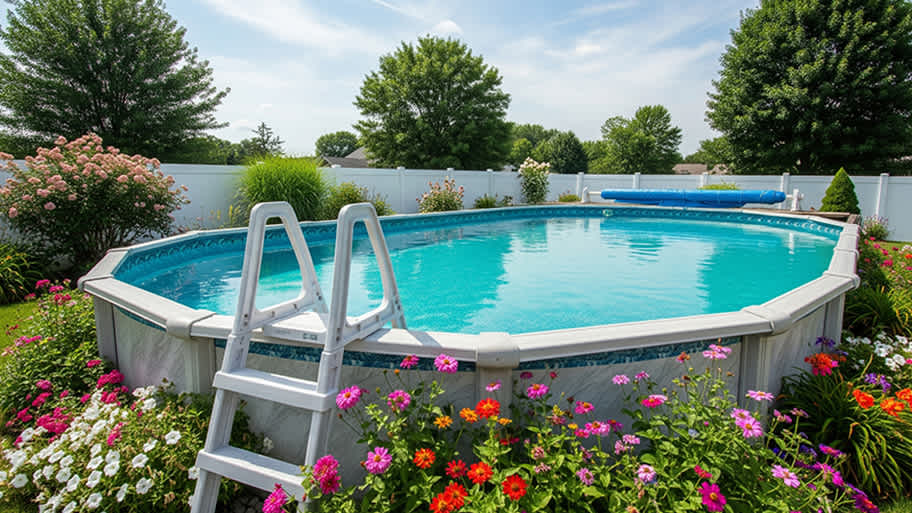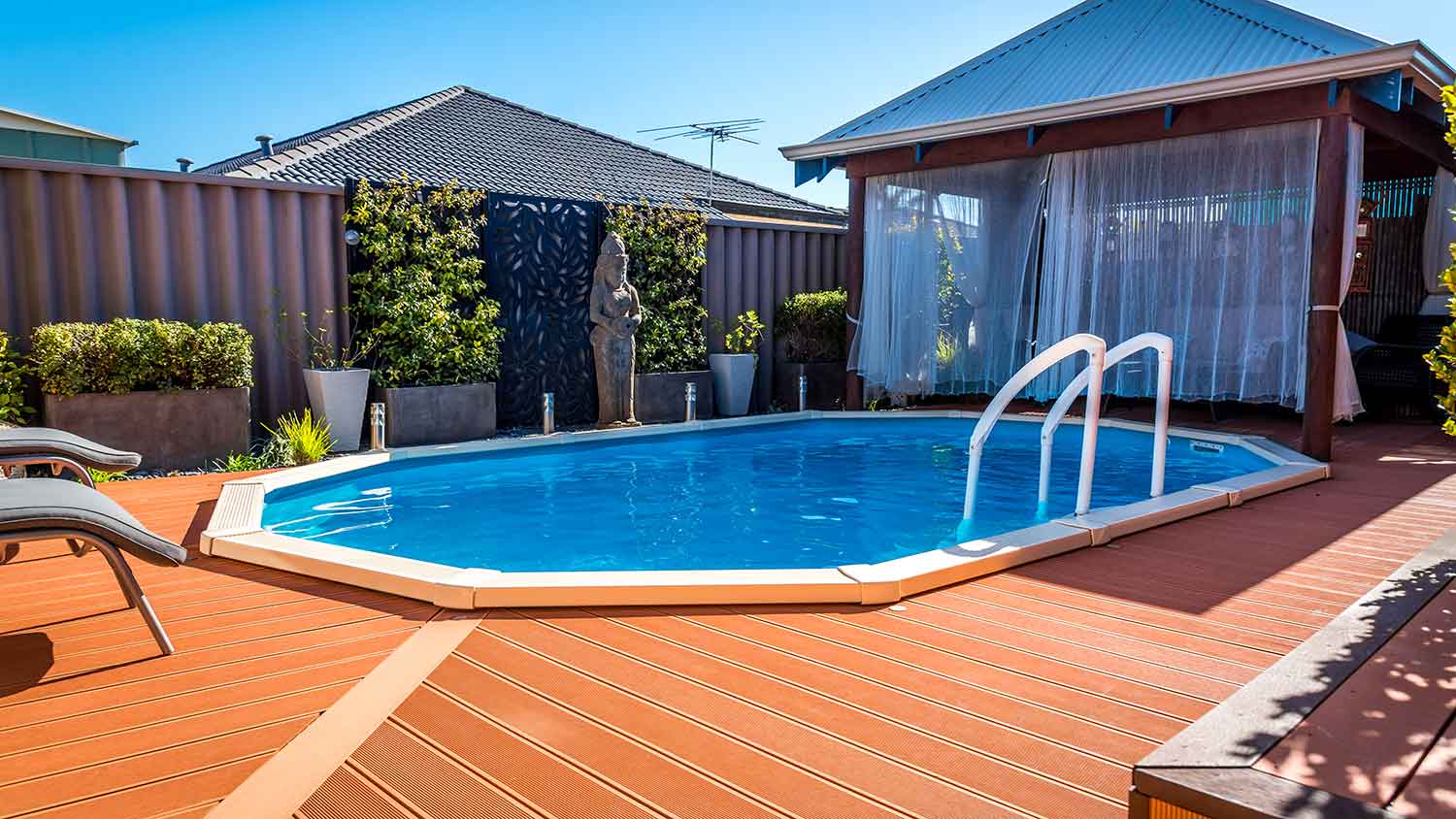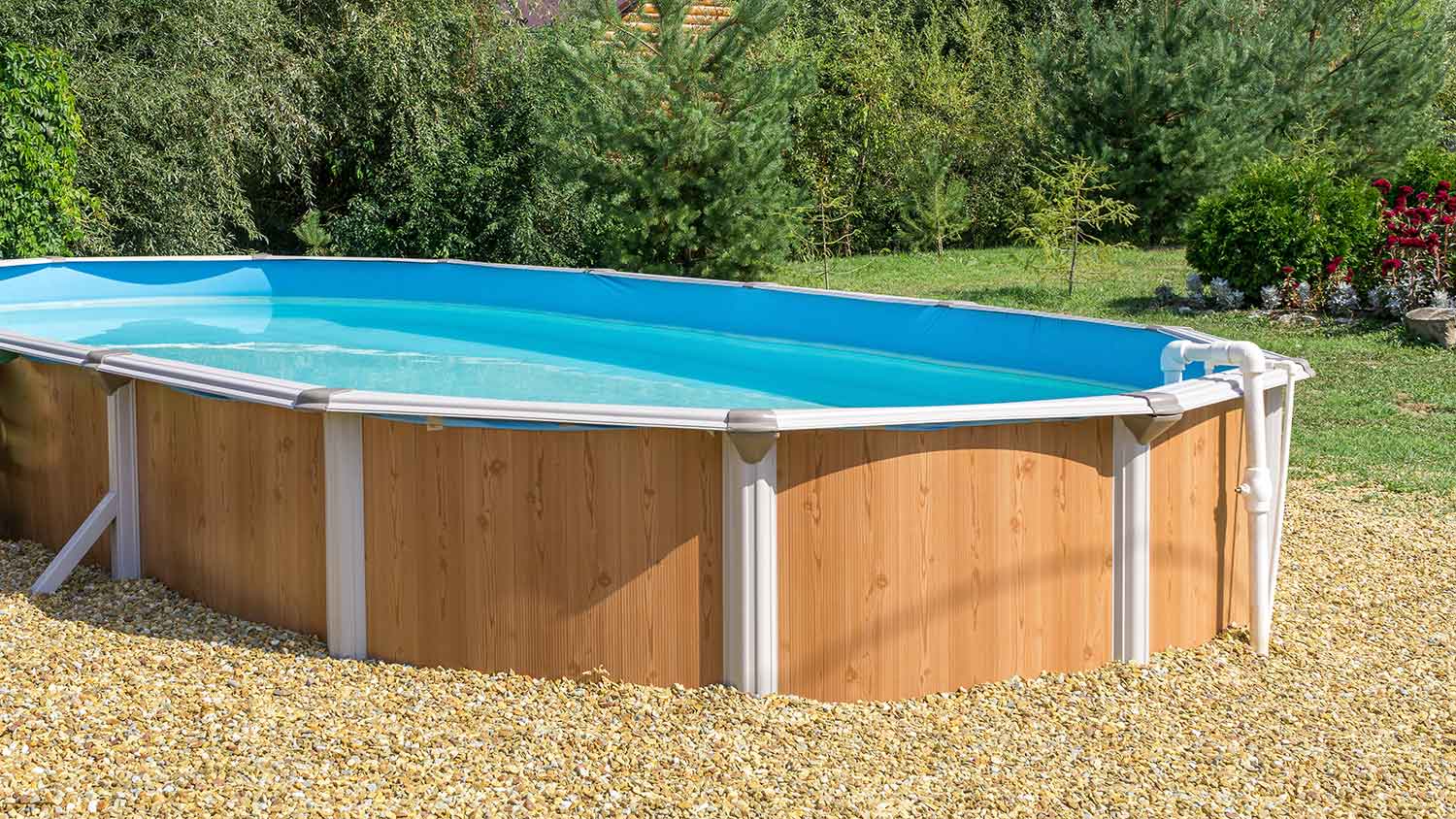









Top-rated above ground pool installation pros.

Get matched with top above ground pool installation pros in Atlantic, VA

Enter your zip and get matched with up to 5 pros

Need a pro for your above ground pool installation project in Atlantic, VA?

Select your specific project to find the pro for you.

Find Above ground pool installation pros in Atlantic

Avatar for American Home Shield – Home Warranty
American Home Shield – Home Warranty
3.5(
5,688
)
Above Ground Swimming Pool or Accessories - Repair or Service

Serving Atlantic, VA and surrounding areas

In business since 1971

Credit card accepted

"One oven doesn't work at all ( my choice, see above), the "working" oven was never calibrated properly so using it is hit or miss. It's time to call American Home Shield to see about replacing the entire unit. I'm waiting to finish other home projects before calling them. I don't know if I'll request Greenway again."
Additional Photos
Additional Photos
Additional Photos
Additional Photos
Additional Photos

+2

Recommended by65%of homeowners
Install Above Ground Pools questions, answered by experts

Technically, you can fill in a pool yourself—with the caveat that filling in a pool requires the ability to drain the pool properly and move a substantial amount of dirt, which aren’t beginner DIY skills. If you want to fill in a pool, you’re better off hiring a local pool removal professional.

Yes, zero-entry pools are also referred to as beach-entry pools because the gentle slope leading to the water mimics the natural slope of a sandy shore leading to a lake or ocean. You can bring in sand or pebbles to truly capture the beach-like feel of a zero-entry pool.

An easy way to know whether your sand filter has enough sand is to check how full the filter is and what the sand looks and feels like. The filter container should be two-thirds to three-quarters full of sand. Look for interior marks indicating the ideal sand level. If you put your hand into the sand, it should flow through your fingers without clumping. The filter pressure gauge is also an easy indicator—the right amount of sand leads to normal pressure, while too much or too little sand can cause high or low pressure.

While you shouldn’t notice water that has an appropriate amount of chlorine in it (less than 4 parts per million), you could feel sick from drinking overly chlorinated water. Chlorine exposure can cause nausea, vomiting, coughing, and dizziness. Chronic chlorine exposure (meaning multiple or repeated instances) can make you feel like you have the flu, according to the CDC.

Yes, pool pumps use a significant amount of electricity, making them one of the biggest energy consumers in a home. A pool pump can use up to three times as much electricity as a refrigerator. Typically, a residential pool pump consumes about 1 kilowatt-hour (kWh) for every hour it runs. Because pumps often need to run for about eight hours a day to properly filter the water, this can add up to an annual consumption of 3,000 to 5,000 kWh, which can cost between $480 and $800 per year based on average electricity rates.

The amount of electricity your pump uses depends on its size, energy efficiency, and daily run time. To lower your energy consumption, you can choose an energy-efficient or variable-speed pump, ensure it is correctly sized for your pool, and run it only for the minimum time required to keep the water clean.

The Atlantic, VA homeowners’ guide to above ground pool installation services

From average costs to expert advice, get all the answers you need to get your job done.