



Top-rated radon detection and reduction specialists.

Best radon detection and reduction specialists near Hooper, UT

Enter your zip and get matched with up to 5 pros

Need a pro for your radon detection and reduction project in Hooper, UT?

Select your specific project to find the pro for you.

Top-Rated Radon detection and reduction specialists in Hooper - Updated Nov 2026

Avatar for Mike Barton Inspections
Mike Barton Inspections
4.6(
11
)
Radon Gas - Testing

Serving Hooper, UT and surrounding areas

In business since 1998

Free estimates

Credit card accepted

"Mike was fantastic! He was very quick to respond to my service request. He answered all my questions fully and in a way that the average person could understand. He was very easy to talk to and was very cheerful. His price was also very reasonable! I would definitely recommend Mike!"
Layton Utah Inspection
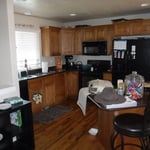
Kitchen
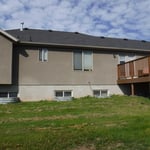
Clintion Utah home
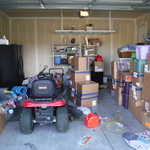
Garage inspections
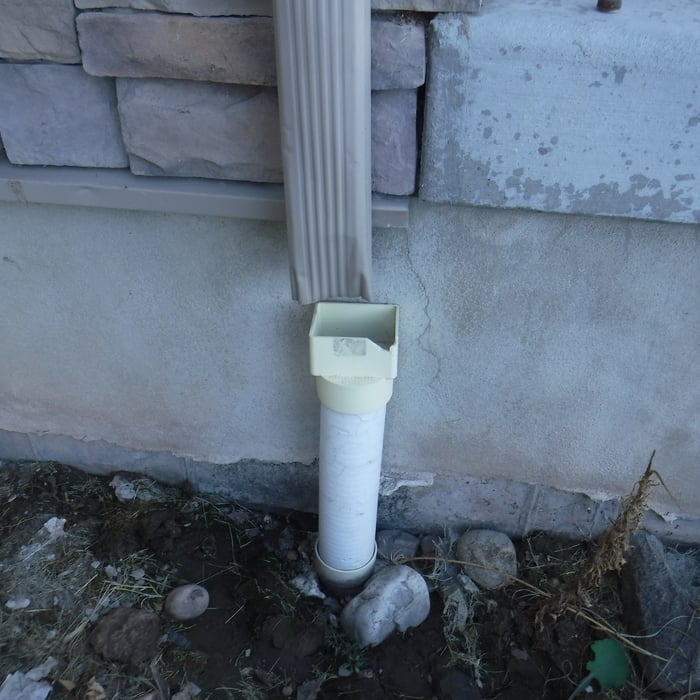
Exterior and drainage

+16

Response time3 hrs
Response rate88%
Recommended by100%of homeowners
Avatar for Radon Be Gone
Radon Be Gone
New to Angi
Radon Gas - AbatementRadon Gas - Testing

Serving Hooper, UT and surrounding areas

In business since 2019

Free estimates

Warranties offered

We are a locally owned and operated company that values honesty and integrity and \ntreats your home as if it were our own. We offer radon testing and mitigation services \nthat are customizable to each individual project. You will find us to be competitively \npriced, paying close attention to the details of each and every project that we are involved with. We look forward to building lasting relationships and guarantee your satisfaction!

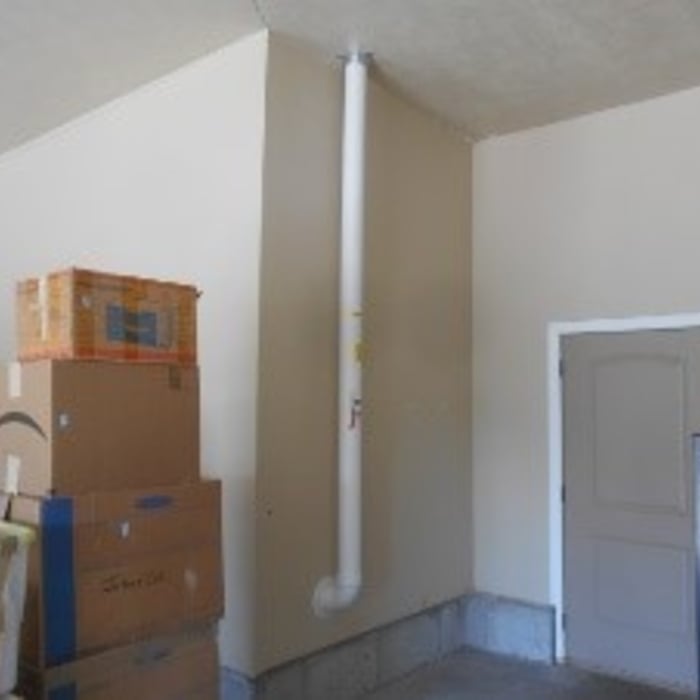
Radon Mitiagation
Interior System
RRNC Mitigation
Radon Mitigation
RRNC Mitigation

+6

High Mountain Home Inspections - Home Facebook
5.0(
1
)
Radon Gas - Testing

Serving Hooper, UT and surrounding areas

In business since 2012

Free estimates

Credit card accepted

Your home is a major investment. Whether you intend to stay in it forever, or plan to move someday, chances are good that you will spend the next several years in your new home. Why not take the time, up front, to get a quality home inspection for your new purchase, to help ensure you won't come across any unexpected and costly surprises down the road? We can provide you with the professional home inspection you deserve. Please contact Scott today!

Recommended by100%of homeowners
Showing 1-10 of 13
Radon Detection and Reduction FAQs, answered by experts

The average radon mitigation system uses about 876 kWh of electricity per year, although the exact amount of electricity used will vary depending on the size of the radon fan. Once the system is installed, the annual increase to your energy bill could range from $30 to $300 per year, again depending on the size of the fan.

Radon is present almost everywhere but, like sunlight, the concentration levels and how often you are exposed to it have a large part to play in just how dangerous it is. There are levels of radon that are acceptable inside a house, but above a certain limit, radon becomes a serious radioactive hazard that is a known cause of lung cancer. In fact, radon exposure is the number two leading cause of lung cancer (after smoking).

A homeowner can install a radon mitigation system on their own. But it’s a challenging DIY that requires a lot of knowledge about radon mitigation as well as familiarity with local regulations. You do not want to risk an improper installation that leaves the system unable to detect radon or gives it a shortened life span. Relying on a professional is the surest way to guarantee a successful installation.

The fan that pulls the radon out of the air needs to run continuously, so you may see an increase in your electric bill once you install the mitigation system. Additionally, you may see an increase in your heating or cooling bills, as the fan can cause some loss of hot or cool air.

No level of radon is technically safe, but since it is naturally present everywhere, it is impossible to avoid entirely. The average radon level in homes across the United States is 1.3 picocuries per liter (pCi/L). The Environmental Protection Agency (EPA) recommends taking action to reduce radon levels if your home's test results are between 2 and 4 pCi/L or higher.

The Hooper, UT homeowners’ guide to radon detection and reduction services

From average costs to expert advice, get all the answers you need to get your job done.