




Top-rated energy efficiency auditors.

Get matched with top energy efficiency auditors in Taylor, UT

Enter your zip and get matched with up to 5 pros

Need a pro for your energy efficiency auditing project in Taylor, UT?

Select your specific project to find the pro for you.

Find Energy efficiency auditors in Taylor

Avatar for Performance Air
Performance Air
5.0(
6
)
Energy Audit - For BusinessHome Energy Audit

Serving Taylor, UT and surrounding areas

In business since 2001

Free estimates

Emergency services offered

"Performance Air with Brent is the only choice when it comes to all your heating and AC needs! He is honest, fair and just a great person to do business with. When the old AC finally dies, I will be using Performance Air! Just now, he upgraded my thermostat that wasn't allowing me to turn up the heat!"
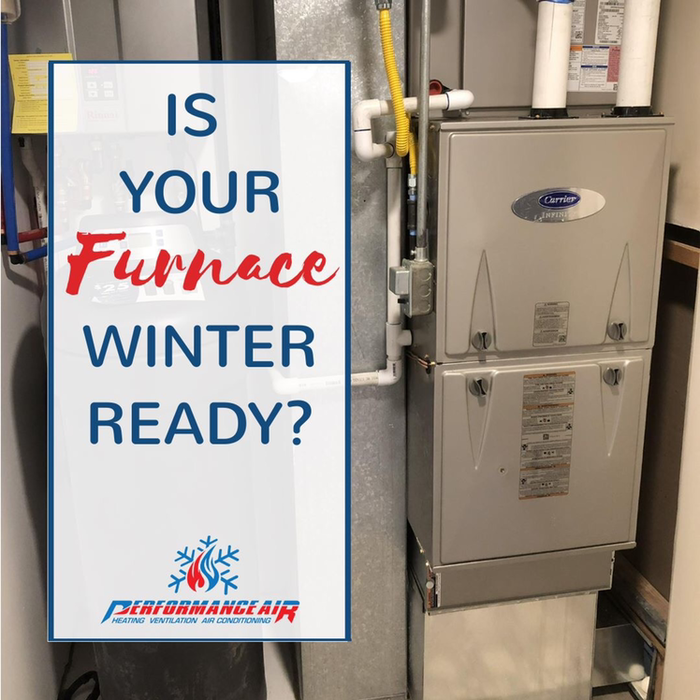
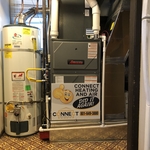
97% carrier furnace, 16 seer A/C and on demand water heater
Additional Photos
Additional Photos
Additional Photos
Additional Photos

+11

Recommended by100%of homeowners
Avatar for Connect Building Services, Inc.
Connect Building Services, Inc.
4.6(
9
)
Energy Audit - For BusinessHome Energy Audit

Serving Taylor, UT and surrounding areas

In business since 1996

Free estimates

Emergency services offered

"their work was amazing, the aesthetic look of the equipment was amazing, they did an amazing job on the aesthetic look of the whole system. they were able to install the pipes up and the whole system works perfect. out-front and best from the rest of the estimate was below compared to other service providers. They didn't rushed the work and discussed everything with us."
Additional Photos
Additional Photos
Additional Photos
Additional Photos
Additional Photos

+5

Recommended by100%of homeowners

Avatar for King home inspections and maintenance
King home inspections and maintenance
New to Angi
Home Energy Audit

Serving Taylor, UT and surrounding areas

Small jobs welcome

I help homeowners protect and improve their biggest investment. Full-service home inspections, maintenance, repairs, and remodels. Hands-on expertise, straight-forward communication, and a blue-collar work ethic you can count on.

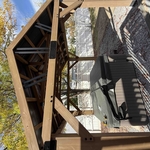
Pergola install
Energy Efficiency Auditing questions, answered by experts

There is no blanket figure for a residential home’s electrical load, since load varies by the size of the home, how many appliances are used, and the efficiency of their electrical systems. Typically, however, it’s safe to assume 40 to 60 amps is the average electrical load of a residential home. 

If you have central air conditioning, it’s fine to run your AC all day if that’s what you want—as long as the AC unit is in good condition. But if your AC runs constantly when you don’t want it to, there may be a problem with your system (like the ones we’ve mentioned above). Window AC units and wall air conditioners aren’t as powerful as central AC, so you should only run those kinds of air conditioners for eight to 12 hours at a time.


Motion-sensor lights use one watt while on standby and five watts while turned on. They’re usually on for one hour over a 24-hour period, bringing the total wattage to about 28 watts per day. LED lights use around 6.5 to 8 watts while on. If you leave an LED light on all night, with night ranging from 10 to 14 hours, you’re looking at using 65 to 112 watts a night. You can minimally cut your wattage in half by switching to a motion-sensor light.

To determine the right size generator for your house, you should calculate the total wattage of the appliances and devices you want to power during an outage. List all essential items, note their start-up wattages, and add them together.

Here are some typical wattage requirements for common appliances:

  • Refrigerator: 600 watts

  • Large dehumidifier: 700 watts

  • Large window air conditioner: 1,400 watts

  • Water heater: 3,000 to 4,500 watts

  • Electric furnace: 5,000 to 25,000 watts

A 7,500-watt generator might be sufficient for essentials like a refrigerator, freezer, well pump, and lighting circuits. However, for high-demand items like a water heater or furnace, a whole-home generator is a better choice. A portable generator may be enough if you only need to power a few critical items.

While home square footage can offer a rough estimate, it is not always a reliable indicator. For reference, here are some typical generator sizes based on square footage:

  • 1,000 sq ft: 6–9 kW

  • 1,500 sq ft: 7–10 kW

  • 2,000 sq ft: 10–14 kW

  • 2,500 sq ft: 12–16 kW

  • 3,000 sq ft: 16–20 kW+

For the most accurate sizing, consult a professional who can calculate your home's peak and average power consumption and recommend the optimal generator.

You can increase your home’s load factor by replacing fuse boxes with a circuit breaker, hiring a licensed electrician to upgrade your electrical panel, upgrading wiring, or installing subpanels. An electrical inspection by an expert can help determine the state of your current electrical systems and how they can be improved.

The Taylor, UT homeowners’ guide to energy efficiency auditing services

From average costs to expert advice, get all the answers you need to get your job done.