



Top-rated energy efficiency auditors.

Get matched with top energy efficiency auditors in Layton, UT

Enter your zip and get matched with up to 5 pros

Need a pro for your energy efficiency auditing project in Layton, UT?

Select your specific project to find the pro for you.

TRUSTED BY LAYTON, UT HOMEOWNERS

  • Average homeowner rating star icon4.9
    Average homeowner rating
  • Verified reviews icon11
    Verified energy efficiency auditing services reviews

Find Energy efficiency auditors in Layton

Avatar for Connect Building Services, Inc.
Connect Building Services, Inc.
4.6(
9
)
Energy Audit - For BusinessHome Energy Audit

Serving Layton, UT and surrounding areas

In business since 1996

Free estimates

Emergency services offered

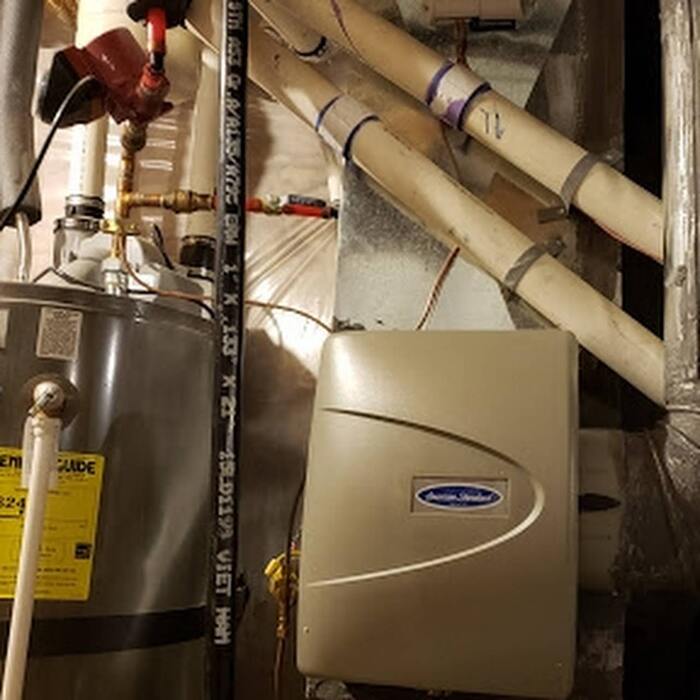
"their work was amazing, the aesthetic look of the equipment was amazing, they did an amazing job on the aesthetic look of the whole system. they were able to install the pipes up and the whole system works perfect. out-front and best from the rest of the estimate was below compared to other service providers. They didn't rushed the work and discussed everything with us."
Additional Photos
Additional Photos
Additional Photos
Additional Photos
Additional Photos

+5

Recommended by100%of homeowners

Utah Temperature & Electrical Contractors
5.0(
1
)
Energy Audit - For BusinessHome Energy Audit

Serving Layton, UT and surrounding areas

In business since 2015

Free estimates

Emergency services offered

"This company did all electrical in our newly built custom home, including installation of central vac. We couldn't be happier with the responsiveness we received. Our city wasn't easy to work with, but he did a great job of communicating with city inspectors to get through inspections timely. We subsequently hired them to retrofit a commercial building/storage facility for all electrical after leasing it. Again, great work and very responsive. Pricing has always been competitive and estimates were consistent with actual price paid. We would and do recommend them to anyone and we would use them again. - Doug Nielsen"
Recommended by100%of homeowners
Showing 1-10 of 12
Energy Efficiency Auditing questions, answered by experts

The number one culprit of high energy bills is older appliances, especially fridges and freezers that are left on all the time. These two appliances tend to last a long time, which is good, but it also means that newer models are usually significantly more energy-efficient due to upgraded technology. The second most common reason for a high bill is heating and air conditioning.

Fireplaces can theoretically help you save on heating bills if you lower the temperature throughout the rest of your home and heat only a single room that you occupy using the fireplace. However, in most cases, homeowners won’t save any money on heating bills. Gas and electric fireplace inserts could actually lead to a spike in your respective energy bills if you use them frequently, and if you don’t keep up with chimney maintenance and repairs, your traditional masonry fireplace could actually be a source of heat loss in the winter.
A whole-house humidifier can positively impact energy consumption by improving heating efficiency. During colder months, humidified air feels warmer, which allows you to lower your thermostat without sacrificing comfort. This adjustment can lead to significant energy savings as your heating system works more efficiently. However, it's important to use the humidifier judiciously, as excessive humidity could potentially strain your cooling system in warmer months.

R-value measures an insulation material's thermal resistance, indicating its ability to resist heat transfer. A higher R-value signifies better insulation performance because the material is more effective at slowing heat flow. The R-value depends on the type, thickness, and density of the insulation material, such as fiberglass, foam, or cellulose. Each inch of insulation typically provides an R-value between 3 and 8. There is no single universal R-value; the optimal choice depends on your climate zone. Colder climates require a much higher R-value than warmer ones to maintain energy efficiency, keep the home warm in winter and cool in summer, and manage costs.

Dehumidifiers typically use 300 to 700 watts of electricity per hour, whereas portable dehumidifiers use about 40 watts per hour. The exact amount of electricity your dehumidifier will generate depends on its capacity and energy efficiency. Generally, higher-capacity dehumidifiers generate more electricity than lower-capacity units, but they also usually have better energy efficiency over the long run.



The Layton, UT homeowners’ guide to energy efficiency auditing services

From average costs to expert advice, get all the answers you need to get your job done.