







Top-rated energy efficiency auditors.

Get matched with top energy efficiency auditors in Eden, UT

Enter your zip and get matched with up to 5 pros

Need a pro for your energy efficiency auditing project in Eden, UT?

Select your specific project to find the pro for you.

Find Energy efficiency auditors in Eden

Avatar for Connect Building Services, Inc.
Connect Building Services, Inc.
4.6(
9
)
Energy Audit - For BusinessHome Energy Audit

Serving Eden, UT and surrounding areas

In business since 1996

Free estimates

Emergency services offered

"Wow! My family was able to get a 97.5% efficient furnace installed by the owner of the company. Great service, great price, and very professional. Did a great job at keeping the work area clean and went above and beyond by fixing a few other small items without being asked and at no additional cost. He explained the difference between the old furnace and the new one and told us what to expect from the new one. Very pleased with the professionalism that was portrayed."
Additional Photos
Additional Photos
Additional Photos
Additional Photos
Additional Photos

+5

Recommended by100%of homeowners

Avatar for King home inspections and maintenance
King home inspections and maintenance
New to Angi
Home Energy Audit

Serving Eden, UT and surrounding areas

Small jobs welcome

I help homeowners protect and improve their biggest investment. Full-service home inspections, maintenance, repairs, and remodels. Hands-on expertise, straight-forward communication, and a blue-collar work ethic you can count on.

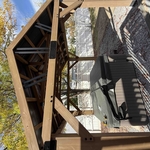
Pergola install
Energy Efficiency Auditing questions, answered by experts

Yes, installing an attic fan can help lower your electric bill—particularly if you live in a hot and humid region. By replacing hot and stuffy air with cooler air, these fans help regulate the temperature in your attic and the rest of your home, taking some of the pressure off of your air conditioner.

Homeowners can often access federal tax credits, such as the Investment Tax Credit (ITC), which covers a percentage of installation costs. Many states and utilities offer additional rebates, grants, or performance-based incentives. These programs can significantly lower your upfront investment. Check the Database of State Incentives for Renewables and Efficiency (DSIRE) or contact your local energy office for current offers.


Energy-efficient windows are judged on their performance according to a few different factors, including heat transfer, air leakage, light transference, and condensation resistance. If you're unsure whether a window is energy-efficient, look for an ENERGY STAR® label from the U.S. Environmental Protection Agency (EPA). If various products, including windows, meet energy-efficiency standards set by the federal government, the EPA issues this label to help consumers identify energy-efficient products.

STC (Sound Transmission Class) is a rating that describes how well a building material or assembly blocks airborne sound. A higher STC rating means less noise will pass through the material, providing better sound reduction. This rating system applies to various building components, including windows, doors, flooring, drywall, and insulation.
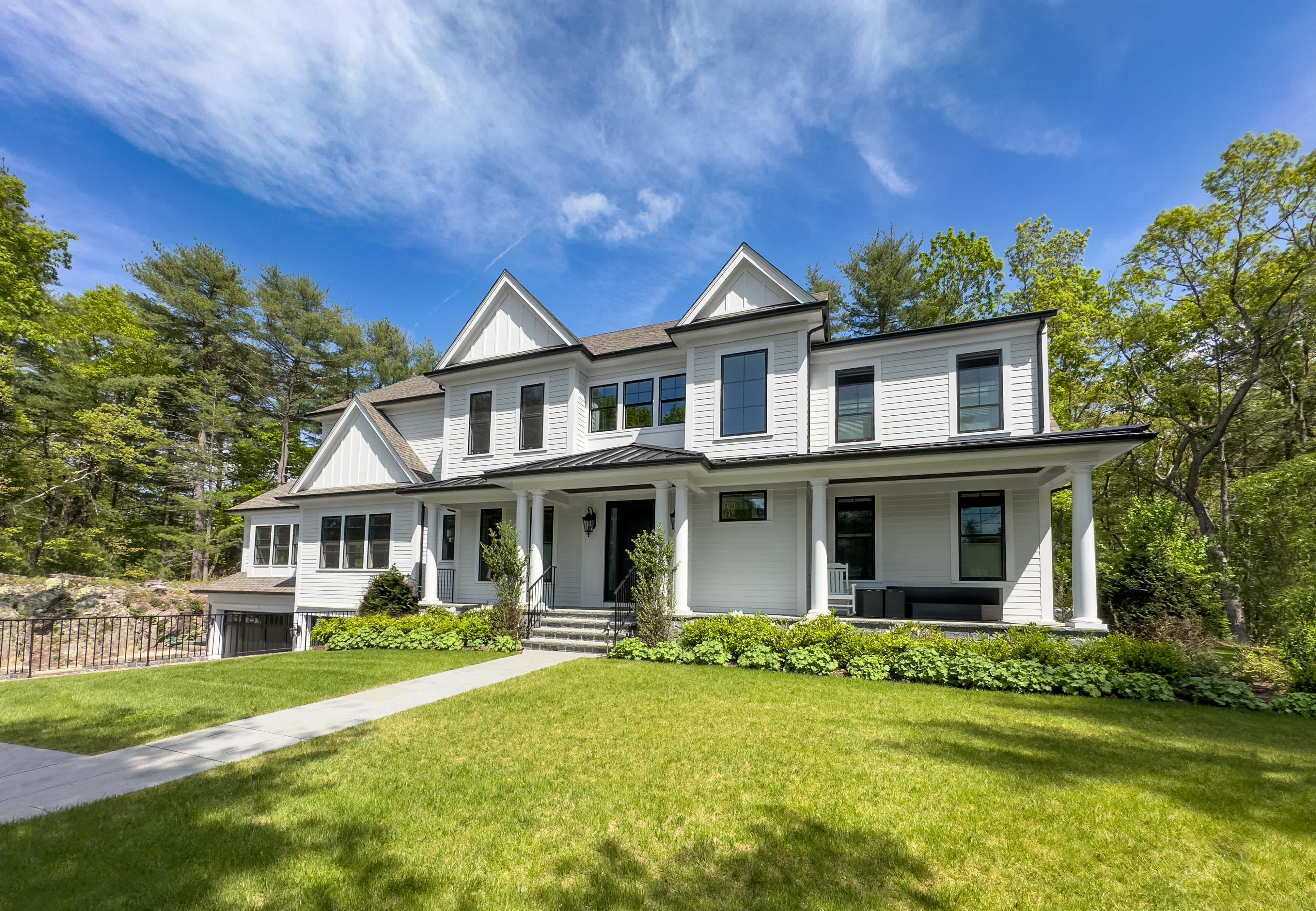
For context, a typical single-pane window has an STC rating of around 25 (where normal conversations are audible), while a well-sealed, double-pane window can exceed STC 45 (blocking loud speech and most music). It is important to note that for some products, like soundproofing drywall, the STC rating refers to the entire wall system, not just the individual panel.

Additionally, STC ratings are most effective for measuring sound reduction at mid-to-high frequencies, such as human speech, and may not accurately reflect how well a material blocks low-frequency sounds like bass music or thunder. Because of these factors, it is recommended to consult a professional to determine the right STC-rated materials for your specific soundproofing needs.

Window AC units use a fair amount of electricity, but significantly less than central AC systems. Because they are more energy-efficient for cooling individual rooms or small spaces, their usage is comparatively low. On average, a window AC unit consumes between 500 and 1,400 watts, while a central AC system uses over 3,500 watts—meaning a window unit uses about one-third of the energy. This typically translates to a monthly running cost of $15 to $40, although this can vary depending on external factors.

The Eden, UT homeowners’ guide to energy efficiency auditing services

From average costs to expert advice, get all the answers you need to get your job done.