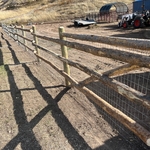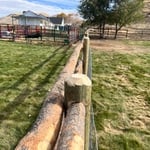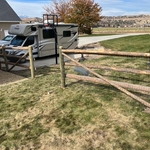





Top-rated animal fencing pros.

Get matched with top animal fencing pros in Mendon, UT

Enter your zip and get matched with up to 5 pros

Need a pro for your animal fencing service project in Mendon, UT?

Select your specific project to find the pro for you.

Find Animal fencing pros in Mendon

Animal Fencing questions, answered by experts

Setting up an animal trap in your yard largely depends on where you live and the type of critter you're dealing with. In many states, trapping nuisance animals like squirrels, rats, or raccoons is allowed, sometimes without needing a permit. However, certain wildlife species are protected, and not all states have lenient catch-and-release regulations.

Before placing a trap, check your local laws to avoid fines or other legal issues. Some areas allow DIY trapping, while others may require professional assistance. Most areas require a professional to relocate the animal once trapped. Consulting a pro ensures you handle the situation responsibly, humanely, and within the law.

When it comes to where raccoons nest, they can establish a home pretty anywhere. They may make their homes in crawl spaces, attics, and chimneys. Barn lofts, haystacks, and even storm sewers can double as raccoon dens. Also, they are known for setting up multiple dwellings for their use.

What you should do with an armadillo after you catch it depends on what your local laws dictate. Often, it's easiest to relocate an armadillo rather than euthanize it. Contact your local wildlife control office or experts for information specific to your area. After removal is complete, be sure to repair any holes left in your yard or under your home.

Moles live underground and feed on insects. They dig and move through tunnels, usually in meadows or forests but sometimes in lawns and gardens. They are about 6 inches long with large claws, tiny eyes, and hidden ears. 

Shrews do not dig their own tunnels but will use other animals’ tunnels, and are about 3 to 4 inches long. They look similar to mice and feed on insects.

Voles are similar in size to moles but have large eyes and small but visible ears. Rather than eating insects, voles are herbivores that prefer seeds, grasses, and plant roots.

It’s possible that skunks will leave on their own. Skunks may appear briefly on your property and move on if they cannot find food. However, waiting them out is not a foolproof solution. If the skunk finds a food source on or near your property and builds a nest, the animal will almost certainly not choose to move. If you can eliminate food sources, you’ll have a better chance of seeing the skunk leave on its own.

The Mendon, UT homeowners’ guide to animal fencing services

From average costs to expert advice, get all the answers you need to get your job done.