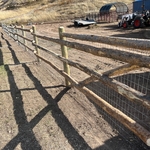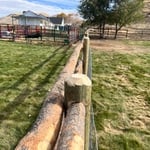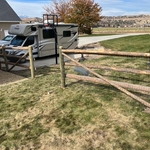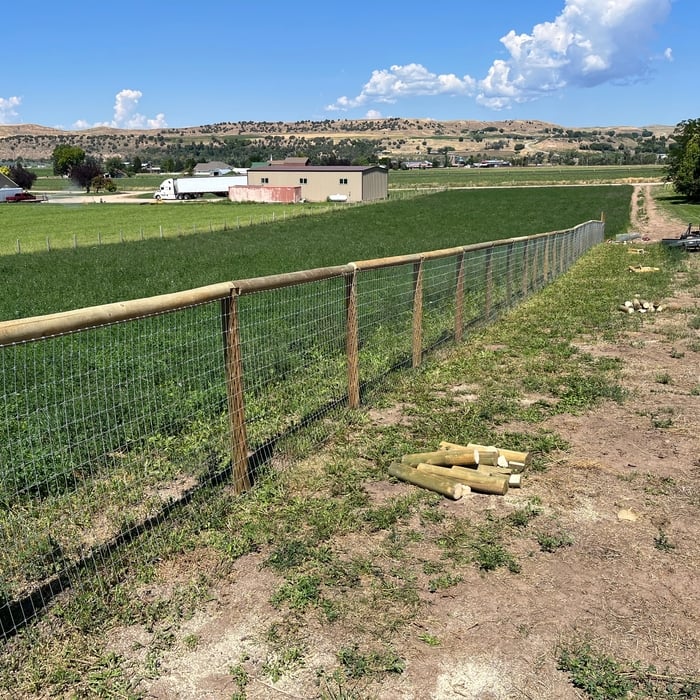




Top-rated animal fencing pros.

Get matched with top animal fencing pros in Smithfield, UT

Enter your zip and get matched with up to 5 pros

Need a pro for your animal fencing service project in Smithfield, UT?

Select your specific project to find the pro for you.

Find Animal fencing pros in Smithfield

Animal Fencing questions, answered by experts

Yes, filling gaps can help with pest problems in your home. Sealing baseboard gaps reduces small-insect entry points into your home. Even tiny spaces provide pathways for pests, so addressing all gaps throughout your home creates a more effective barrier than spot treatments in individual rooms.

Many people have reported success in using dryer sheets to deter mice. This result is likely due to the strong scent that the rodents don’t find favorable. However, using dryer sheets alone may not be a foolproof solution, and it's often better to combine various preventive measures, such as traps, repellent sprays, and proper storage practices, to protect your car from rodent infestations more effectively.

Raccoons are more social than badgers. Badgers are solitary creatures, with the exceptions being mating season and rearing their young. Raccoons are more adaptable and often found in groups, especially in urban areas. Raccoons form loose social structures and frequently forage together and share dens. This social behavior helps them thrive in diverse environments, from forests to cities.

There’s little scientific evidence to suggest that homemade remedies to ward off wildlife are effective. But, often, when using them alongside other management techniques, it won’t do any harm to try. Suggestions include using urine-soaked kitty litter or sweat-soaked clothing items. Try applying them around your fence perimeters. Always read the instructions carefully for any commercially-bought repellents and opt for EPA-approved products. Multiple applications, especially after rain, are often necessary.

Armadillos are most active during cooler hours to avoid extreme temperatures, particularly the daytime heat in the warm climates where they live. This activity pattern helps them reduce the risk of overheating and dehydration. They are generally active from late at night to early morning, often between 2 a.m. and 5 a.m., but can also be seen around dawn and dusk. An exception to this is during mating season (June-July in the northern hemisphere, November-December in the southern hemisphere), when male armadillos may be more active than usual.

The Smithfield, UT homeowners’ guide to animal fencing services

From average costs to expert advice, get all the answers you need to get your job done.